If your yard turns into a soggy mess every time it rains, you’re probably tired of watching puddles swallow your lawn while your neighbors enjoy their perfectly dry gardens. Here’s the good news: that drainage nightmare can actually become your yard’s most stunning focal point. Rain garden ideas are having a major moment in home landscaping, and honestly, it’s about time we all stopped fighting nature and started working with it instead.
A rain garden is essentially a shallow, planted depression that collects runoff from your roof, driveway, or lawn and lets it slowly absorb into the ground. It’s practical, it’s eco-friendly, and with the right design, it looks absolutely gorgeous. Let’s dig into five creative ways to make this work for your space.
1. The Cottage Garden Rain Bowl
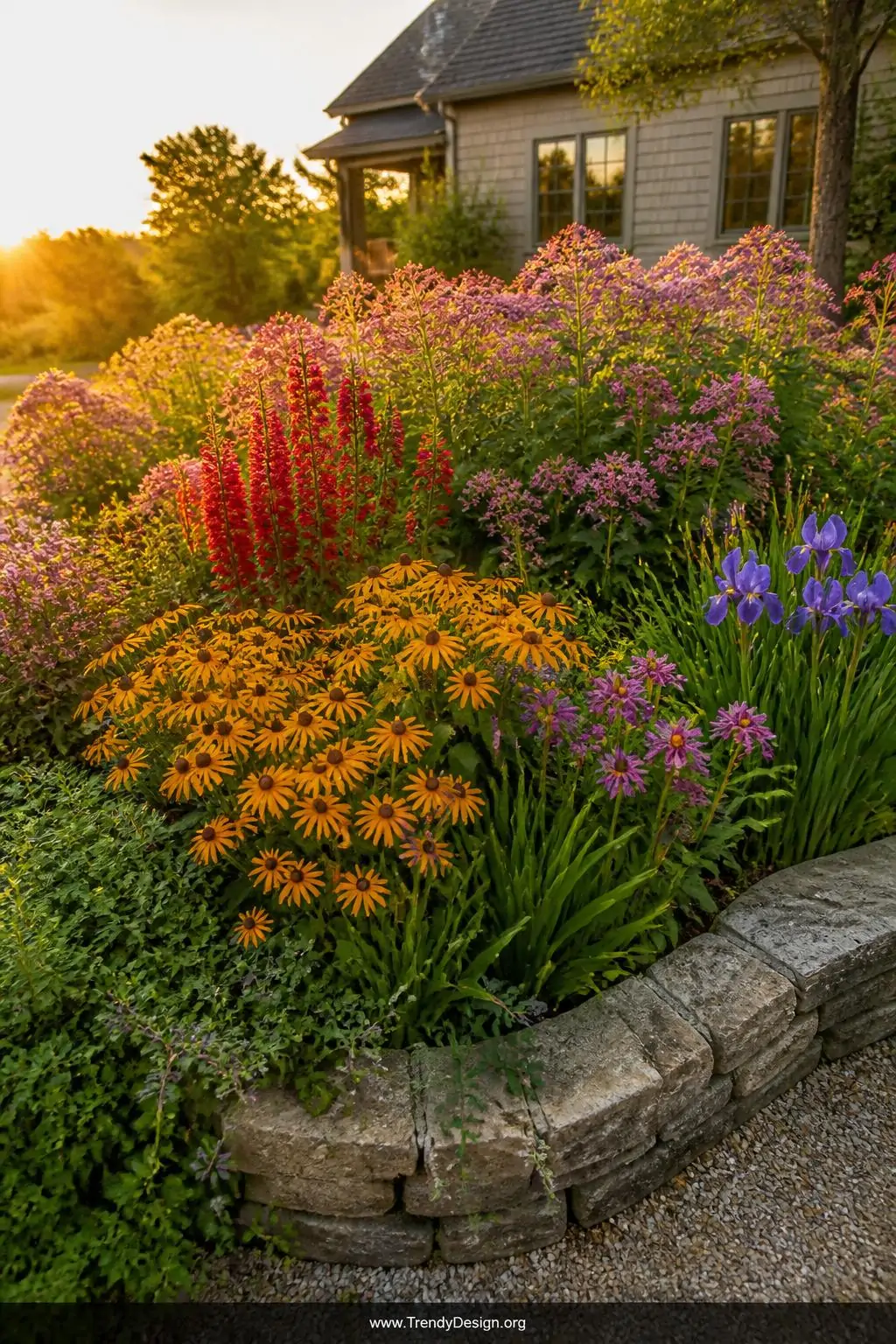
Think of this style as your grandmother’s flower garden if she were a brilliant landscape architect. The cottage garden approach uses lush, overflowing plantings of native perennials to create a rain garden that looks intentionally romantic rather than accidentally wet.
The trick here is layering plants by height and bloom time so something is always flowering. You want that full, abundant look that makes people stop and ask what your secret is. Spoiler: the secret is a drainage problem you cleverly solved.
Best Plants for a Cottage Rain Garden
- Black-eyed Susans for cheerful summer color
- Wild blue iris for elegant spring blooms
- Joe Pye weed for tall, feathery late-summer texture
- Swamp milkweed to attract monarch butterflies
- Cardinal flower for stunning red vertical drama
2. The Modern Minimalist Channel Garden
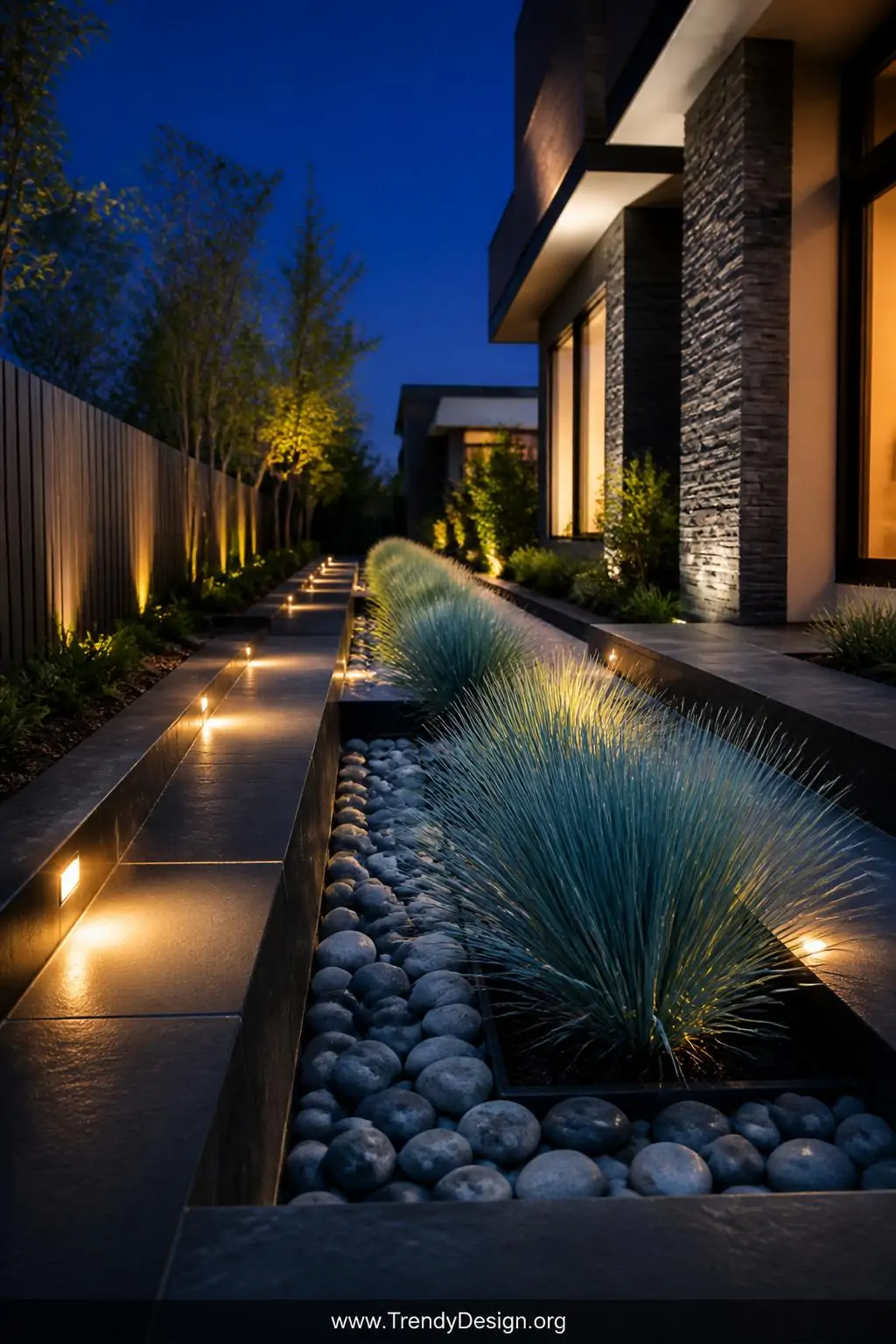
FYI, rain gardens don’t have to look natural or wild they can be sharp, architectural, and seriously sophisticated. The channel garden design uses clean stone-lined trenches or long rectangular basins to direct water in a way that feels completely intentional and high-design.
This style works beautifully for contemporary homes with geometric landscaping. You line the channels with smooth river rock or dark slate, plant ornamental grasses in tidy clusters, and suddenly your drainage solution looks like something from a design magazine. People will genuinely think you paid a fancy landscape designer a small fortune.
IMO, this is one of the most underused rain garden ideas for urban and suburban properties where sleek aesthetics matter just as much as function. Add solar-powered path lights along the edges and you’ve got nighttime drama too.
3. The Woodland Hideaway Rain Garden
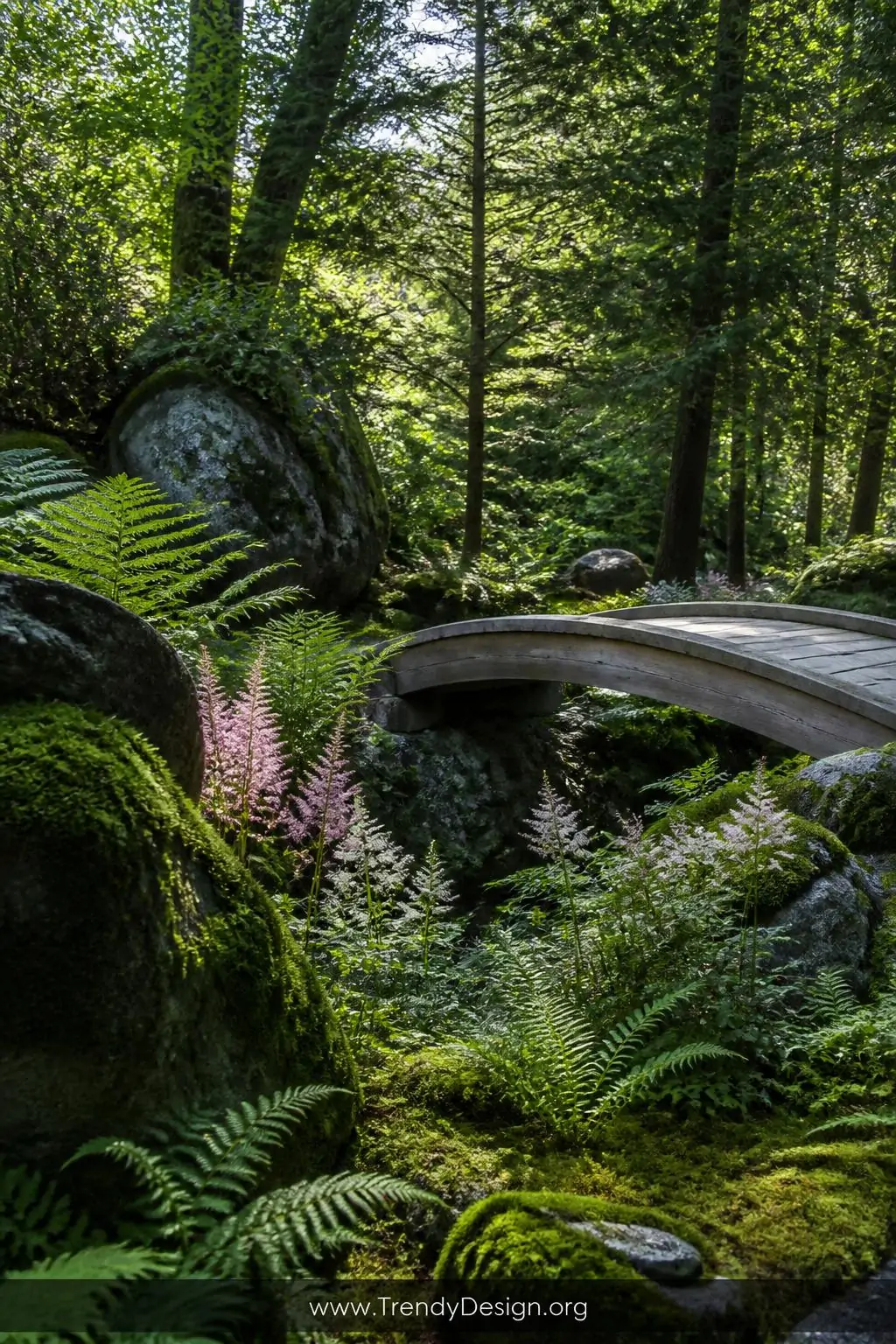
If you have a shadier corner of your yard that stays perpetually damp, lean all the way into those woodland vibes. A woodland-style rain garden uses shade-loving native plants, mossy rocks, and dappled light to create a secret garden atmosphere that feels magical rather than marshy.
This design style is perfect for areas under tree canopies where traditional grass refuses to grow anyway. You’re essentially saying, “Fine, you win, nature but let’s make it beautiful.” The result is a lush, layered garden space that looks like it belongs in an enchanted forest.
Key Elements for the Woodland Look
- Large moss-covered boulders as natural focal points
- Ferns in varying textures and shades of green
- Astilbe for feathery plumes of color in shade
- Native sedges that thrive in wet conditions
- A simple wooden footbridge or stepping stones for access
4. The Pollinator Paradise Rain Garden
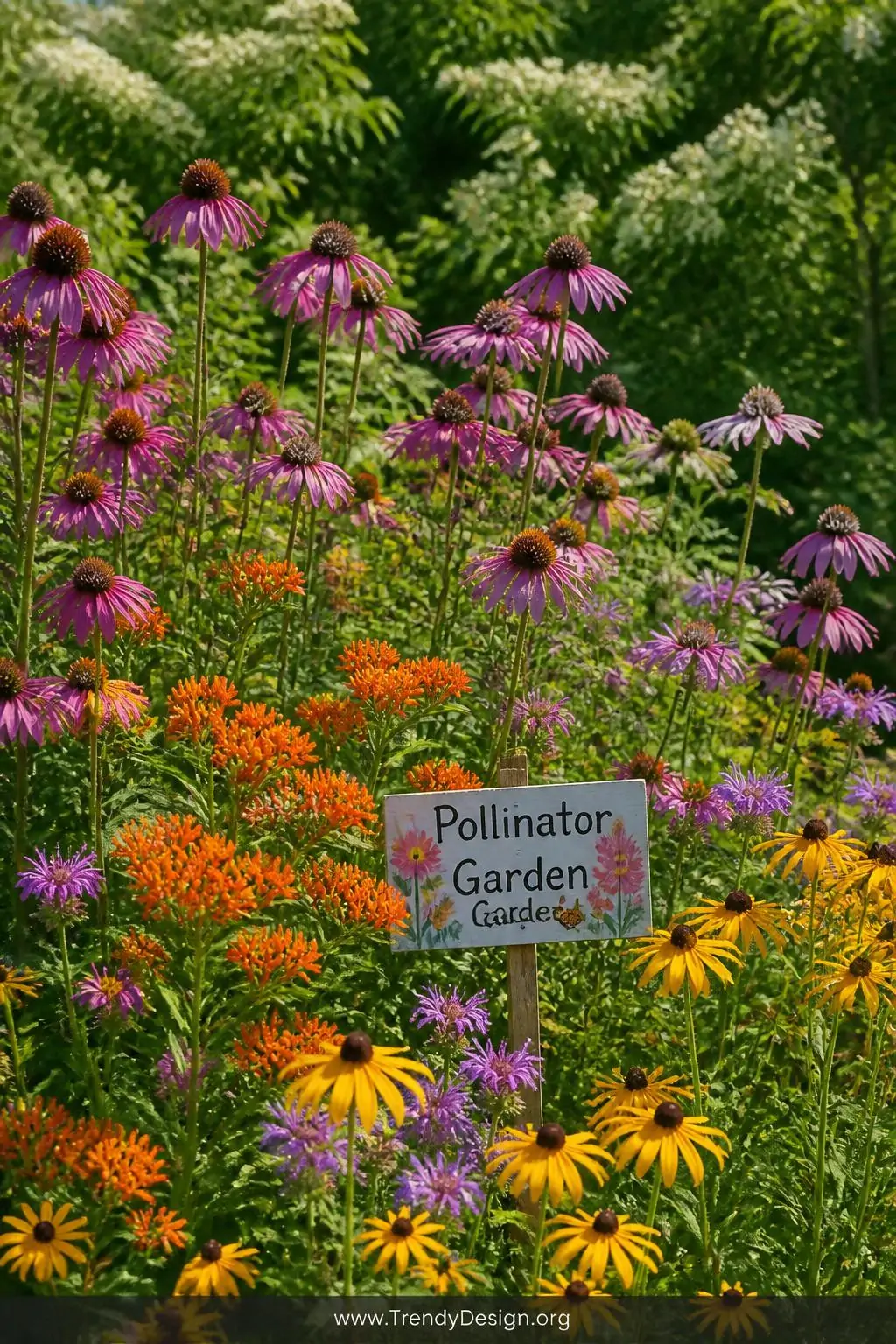
Here’s where your drainage fix becomes an actual environmental superpower. Designing a pollinator-focused rain garden means choosing native wildflowers and flowering shrubs that attract bees, butterflies, and hummingbirds all season long. You’re basically building a tiny ecosystem in your backyard, and that’s incredibly cool.
The key is selecting plants with staggered bloom times so your garden offers food from early spring through late fall. Butterflies and bees need consistent resources, and native rain garden plants are perfectly adapted to provide exactly that. Add a small handmade sign that says “Pollinator Garden” and watch your neighbors’ admiration skyrocket.
These rain garden ideas have the added bonus of being almost entirely self-maintaining once established. Native plants are tough, drought-tolerant once rooted, and perfectly suited to handle both flooding and dry spells without much intervention from you.
5. The Dry Creek Bed With Hidden Depth
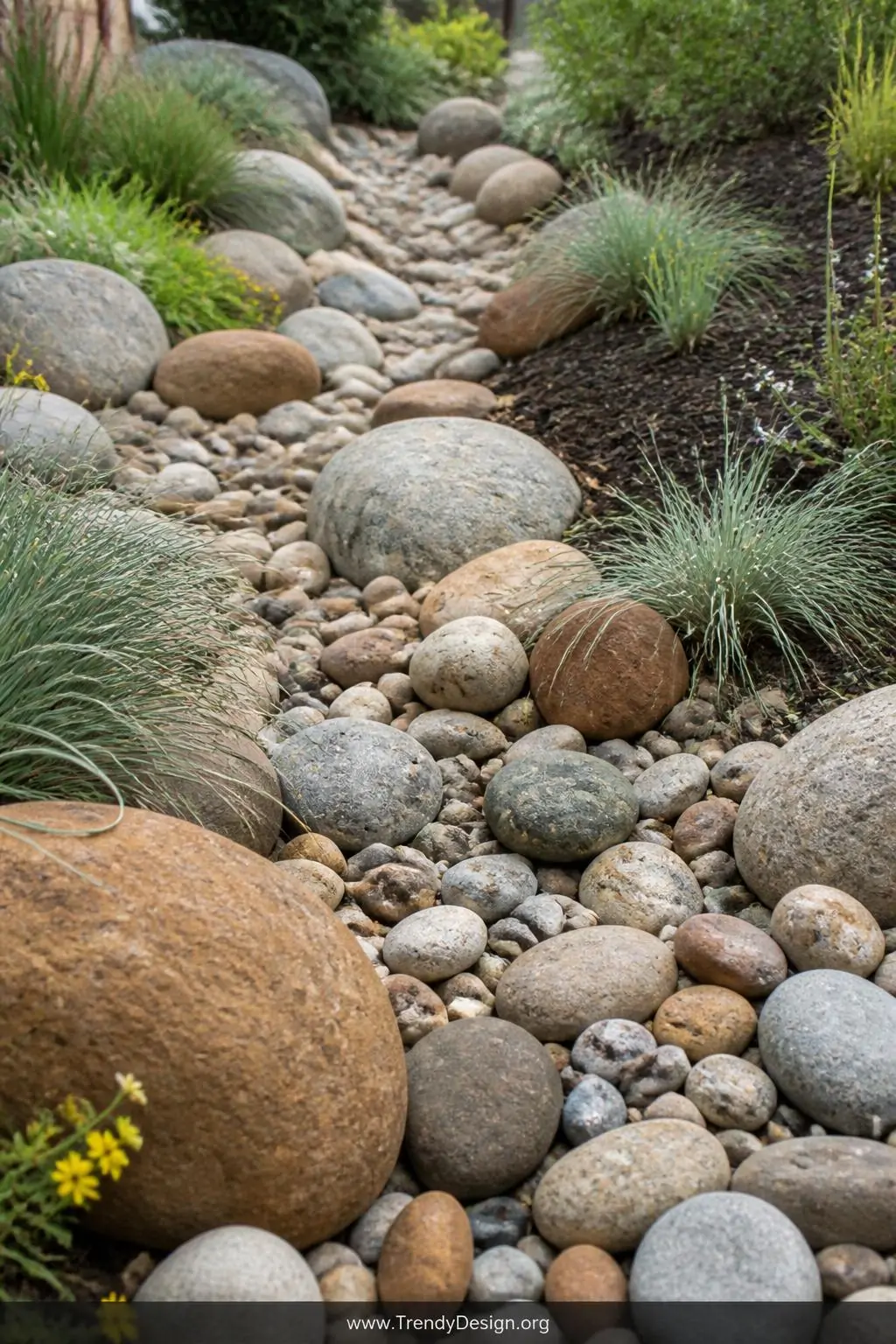
This might be the cleverest trick in the rain garden playbook. A dry creek bed rain garden looks like a decorative stream winding through your yard on dry days, then actually functions as a water channel and absorption zone when rain arrives. It’s dual-purpose design at its absolute finest.
You construct it using graded soil, landscape fabric, and carefully arranged river stones of varying sizes to mimic a natural streambed. Plant ornamental grasses and native wildflowers along the banks for that authentic creekside feeling. Honestly, guests will be confused about whether you actually have a stream and that’s exactly the reaction you want.
Design Tips for a Realistic Creek Bed
- Use a mix of large, medium, and small stones for natural variety
- Curve the path gently rather than running it in a straight line
- Tuck small plants between rocks to soften hard edges
- Grade the soil so water flows naturally toward the absorption area
Transforming your yard’s drainage headaches into genuine design features is one of those rare home improvement wins where you solve a practical problem and end up with something beautiful. These rain garden ideas prove that working with your landscape’s natural challenges rather than constantly battling them almost always produces the most stunning results. Your soggy corner deserves better, and now it can have it.
Leave a Reply