Let’s be honest you love the idea of a gorgeous garden, but you also love not spending every weekend on your knees pulling weeds. The good news? You absolutely don’t have to choose between a beautiful outdoor space and actually having a life. These low-maintenance garden ideas are designed specifically for people who want their home to look stunning without sacrificing their precious free time.
Whether you have a sprawling backyard or a tiny patio, there’s something here for every busy homeowner. Grab your coffee, settle in, and let’s transform your outdoor space into something you’ll actually enjoy not dread.
1. Go All-In on Native Plants
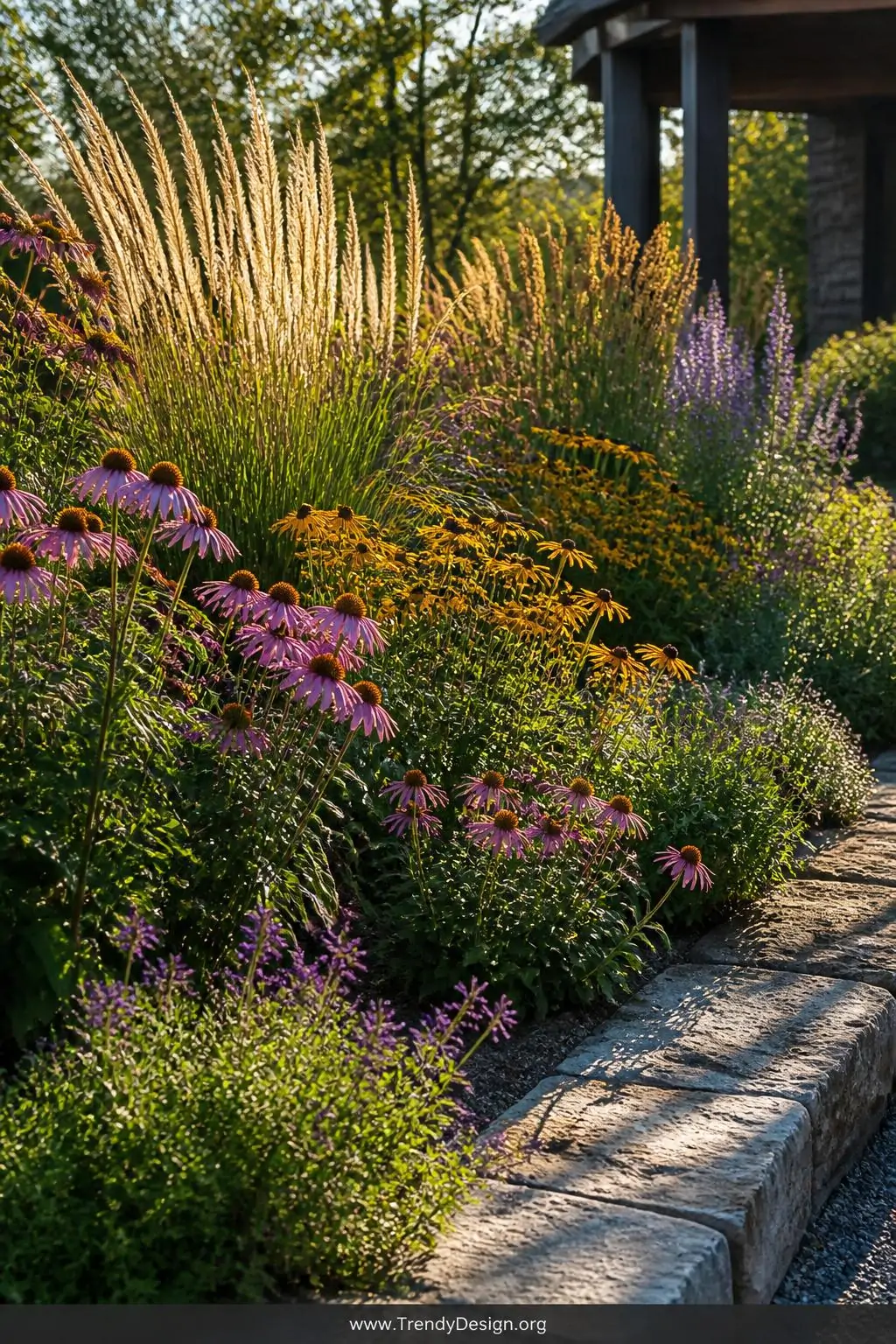
If there’s one decision that will save you the most time and energy, it’s choosing plants that are native to your region. Native plants have evolved over thousands of years to thrive in your local climate, soil, and rainfall patterns, which means they basically take care of themselves once established. No babying required.
Think of it this way native plants are the low-maintenance garden ideas equivalent of a self-cleaning oven. They attract local pollinators, resist regional pests, and rarely need supplemental watering after their first season. IMO, this single swap alone is worth more than any fancy gardening gadget you’ll find online.
- Research your USDA hardiness zone before shopping
- Visit a local native plant nursery for expert guidance
- Mix wildflowers with ornamental grasses for year-round texture
- Layer plants by height for a natural, effortless look
2. Install a Drip Irrigation System
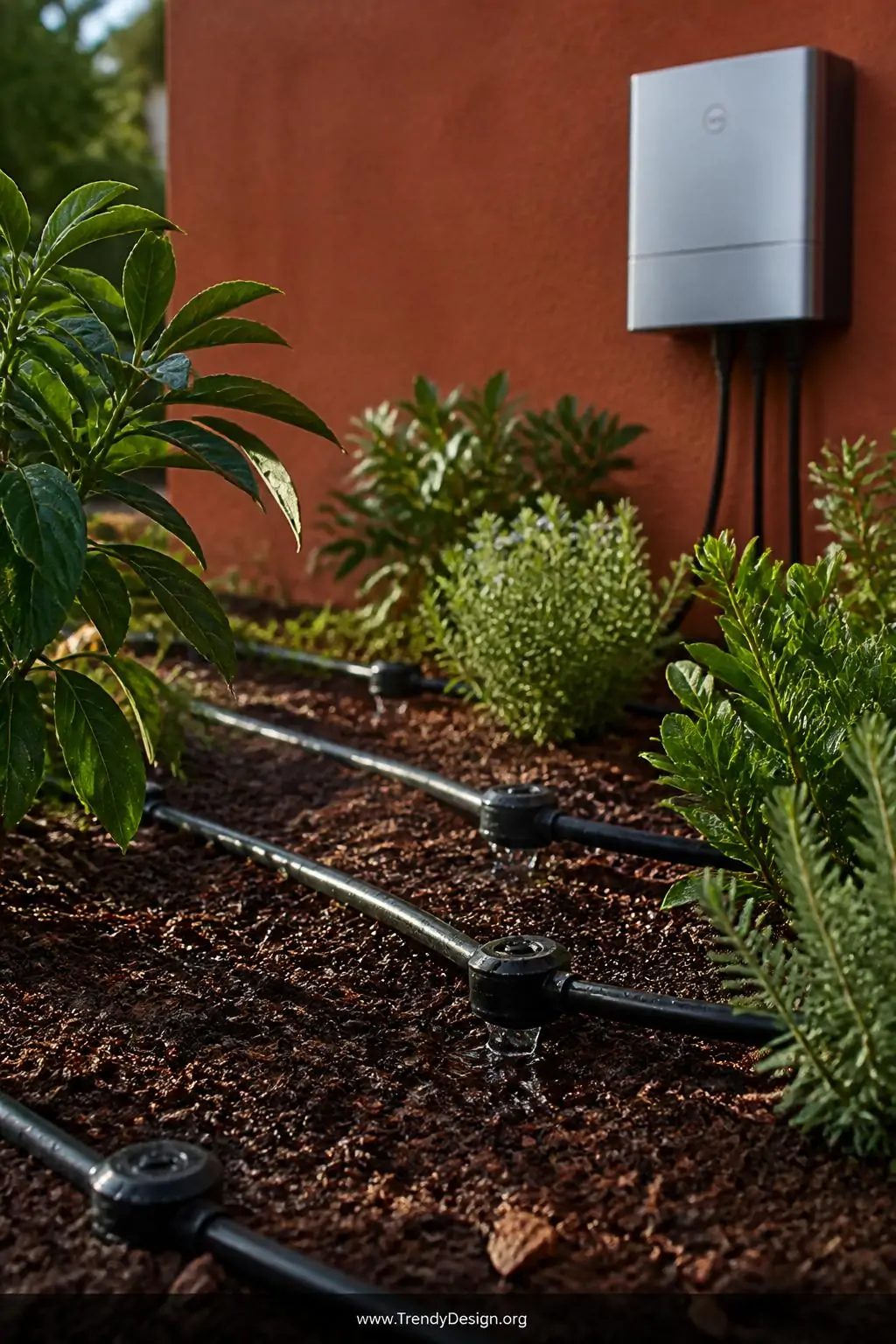
Standing outside with a garden hose every evening sounds peaceful in theory, but after a long workday, it quickly becomes a chore you start avoiding. A drip irrigation system delivers water directly to your plant roots on a timer, meaning your garden stays hydrated whether you’re home or halfway across the country on a work trip.
The upfront installation cost pays for itself quickly in both time savings and reduced water bills. Many modern systems connect to your smartphone, letting you adjust watering schedules from your couch. Honestly, your plants will probably be happier too consistent moisture at the roots beats sporadic overhead watering every single time.
3. Embrace the Magic of Mulch
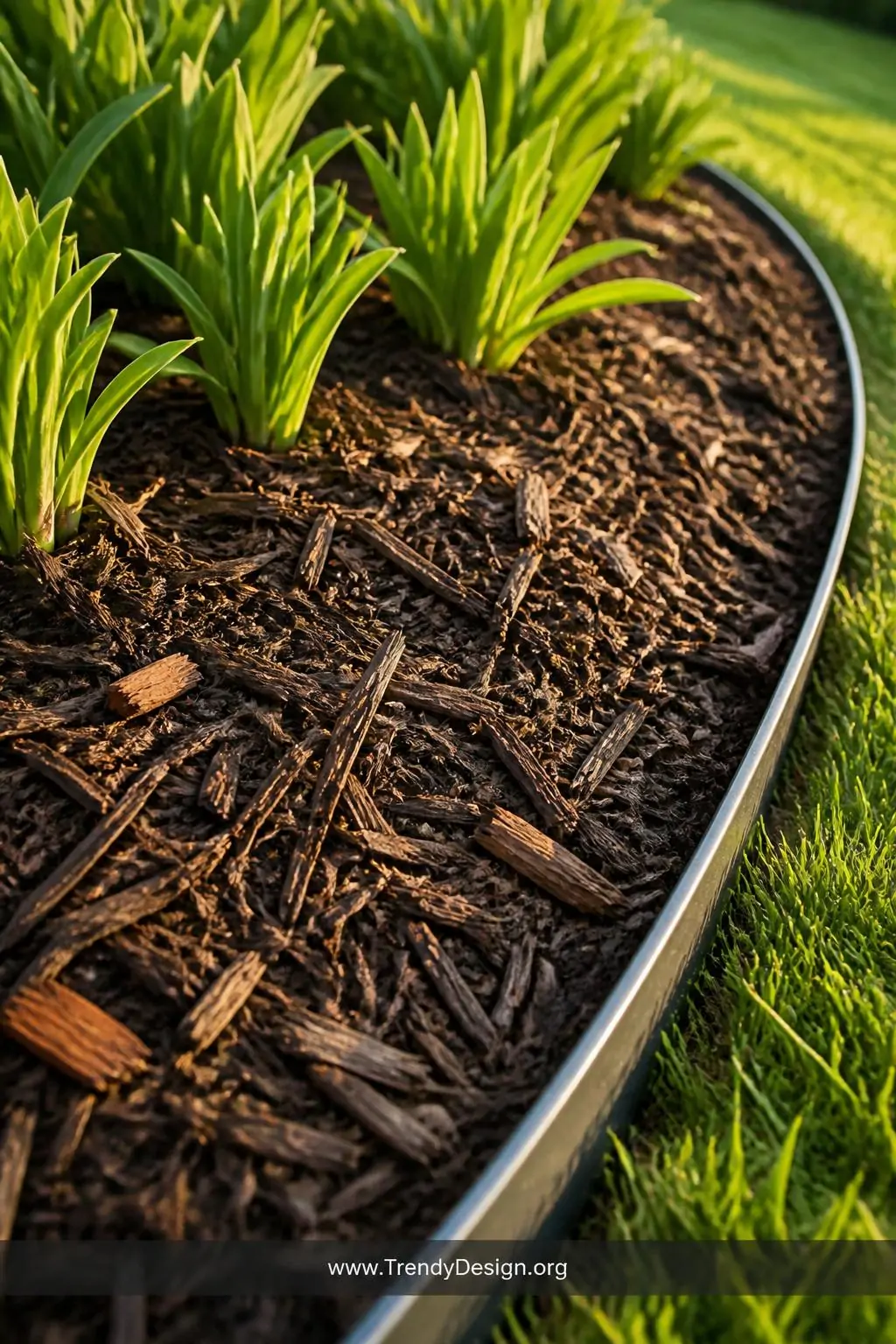
Mulch might just be the most underrated hero in the gardening world, and a generous layer of mulch does three incredible jobs at once it suppresses weeds, retains soil moisture, and regulates ground temperature. Applying about three inches of mulch around your beds can cut your weeding time by up to 70 percent. That’s basically a gardening superpower.
Organic mulches like shredded bark, wood chips, or straw also break down over time, naturally improving your soil quality. You’ll need to top it up once a year, which takes maybe an afternoon. For the amount of effort saved throughout the rest of the year, that’s an absolutely brilliant trade-off.
Best Mulch Types for Low-Effort Gardens
- Shredded hardwood bark long-lasting and great for most garden beds
- Cedar mulch naturally repels certain insects, bonus win
- Straw perfect around vegetable gardens and budget-friendly
- River rocks zero decomposition, ideal around succulents and drought-tolerant plants
4. Create a Succulent and Rock Garden
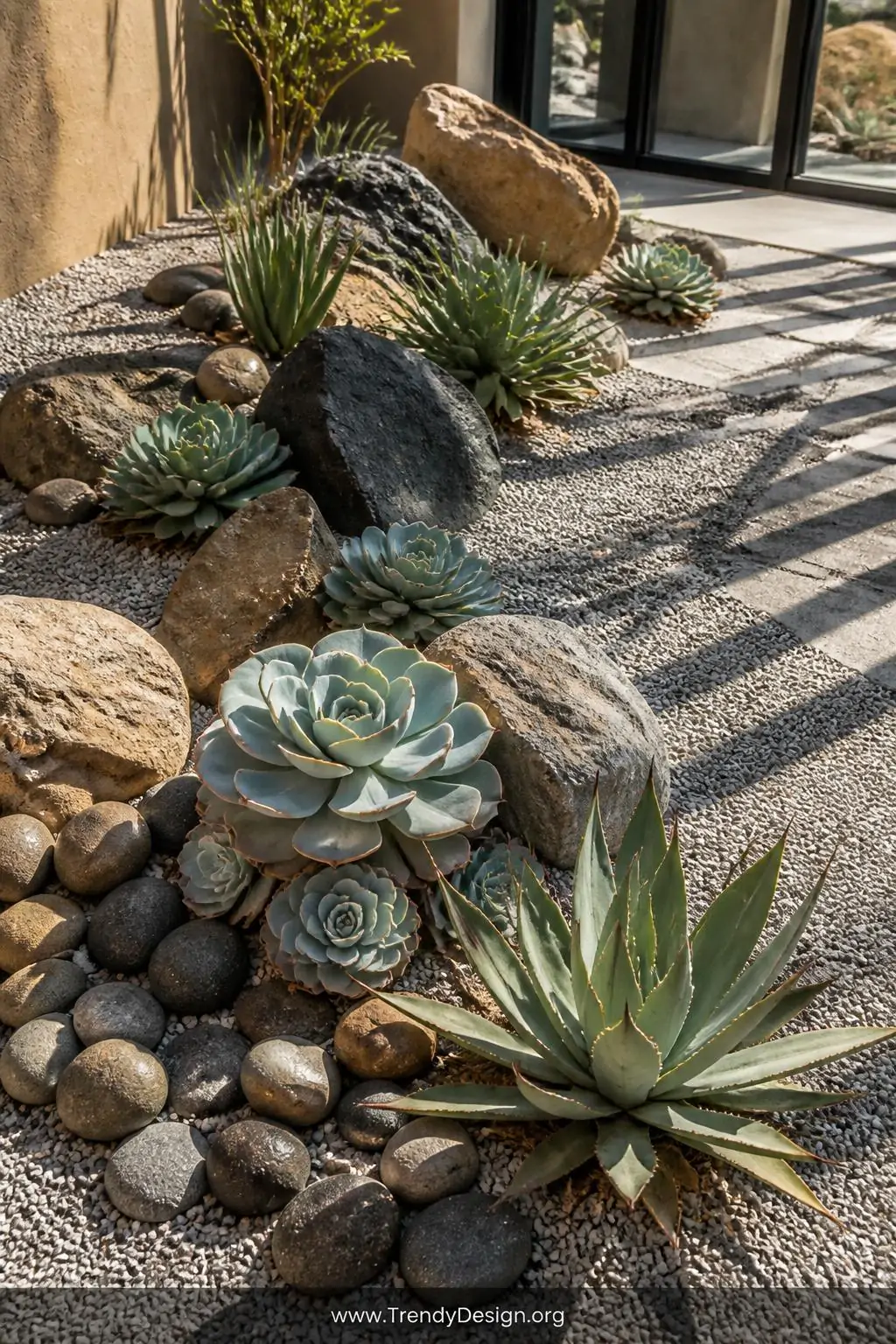
FYI, succulents are not just for Instagram aesthetics they are genuinely one of the most practical low-maintenance garden ideas for homeowners with a busy schedule. These drought-tolerant beauties store water in their leaves, meaning they can handle a little neglect with absolute grace and style. You basically water them, step back, and admire your handiwork.
Pair succulents with decorative rocks, pebbles, or gravel to create a visually striking rock garden that requires almost zero upkeep. This style works beautifully in sunny spots where grass struggles to grow, transforming problem areas into genuine focal points. It’s one of those rare situations where doing less actually creates something that looks more intentional and designed.
5. Plant Perennials Over Annuals
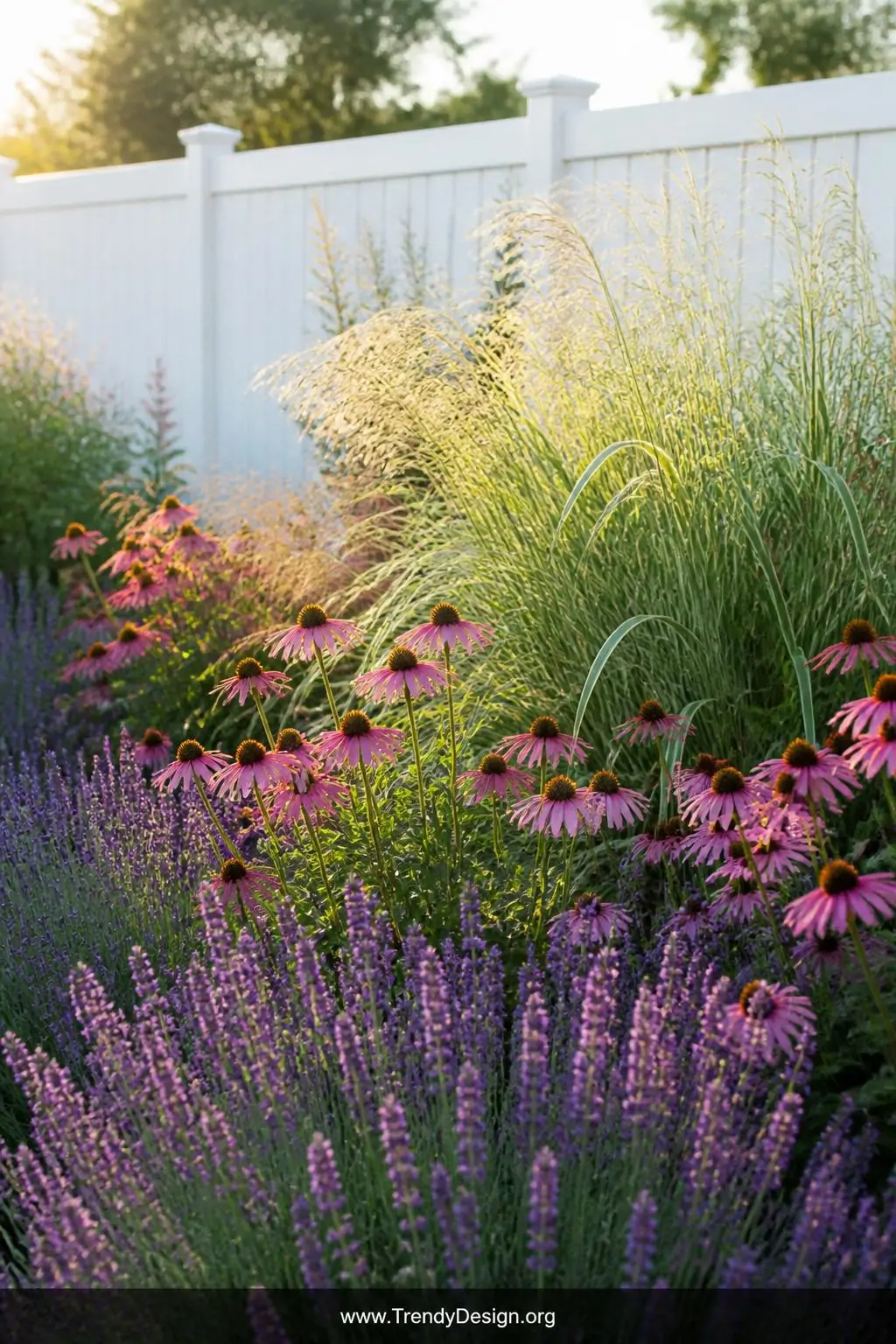
Annuals are beautiful, but replanting every single spring gets old fast both financially and physically. Perennials come back year after year from the same root system, giving you recurring beauty without recurring effort. Once you’ve planted a solid perennial foundation, your garden essentially restocks its own shelves every spring.
Classics like lavender, coneflowers, black-eyed Susans, and hostas are reliable performers that look fantastic with minimal intervention. Many perennials also spread gradually over time, filling in gaps and crowding out weeds naturally. That means your garden actually gets fuller and more lush as the years pass, while your workload stays exactly the same.
Top Perennials for the Time-Starved Gardener
- Lavender drought-tolerant, fragrant, and pollinators absolutely adore it
- Hostas shade-loving and virtually indestructible
- Coneflowers (Echinacea) colorful, hardy, and self-seeding
- Ornamental grasses low water needs with stunning movement and texture
- Sedum thrives on neglect and looks beautiful doing it
6. Define Your Edges with Hardscaping
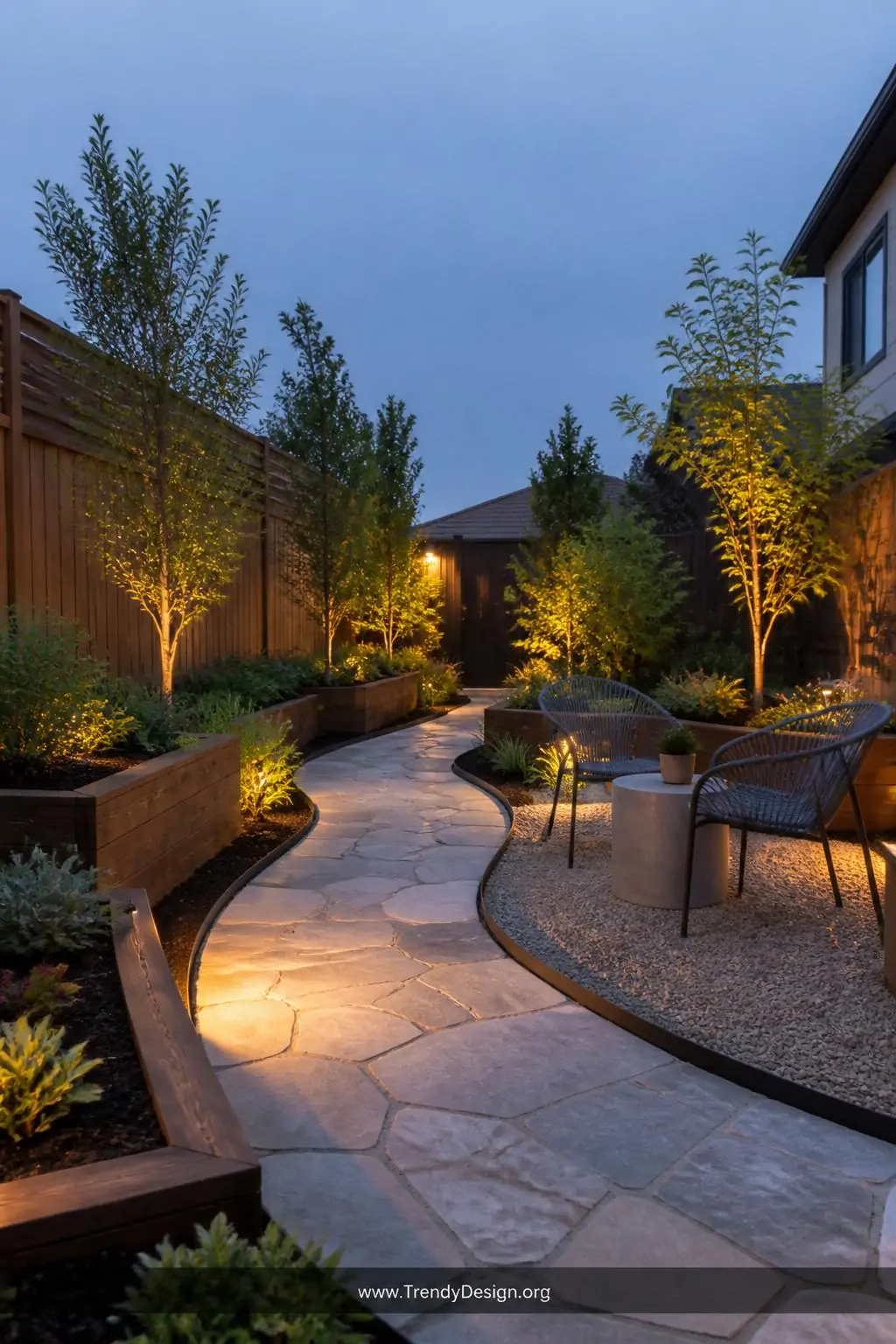
One of the sneaky time-thieves in any garden is the constant battle to keep lawn grass from creeping into your planting beds. Installing physical edging along your garden borders creates a clean, defined separation that keeps grass where it belongs and reduces trimming time significantly. It also makes your entire yard look polished and intentional even if you only spent twenty minutes out there this month.
Beyond simple edging, incorporating hardscaping elements like stone pathways, raised wooden planters, or a gravel seating area reduces the overall amount of plantable space you need to maintain. Less planted area genuinely equals less maintenance time, and with the right materials, hardscaping adds tremendous visual interest and curb appeal. Think of it as strategic laziness dressed up as good design.
7. Choose Shrubs as Your Garden’s Backbone
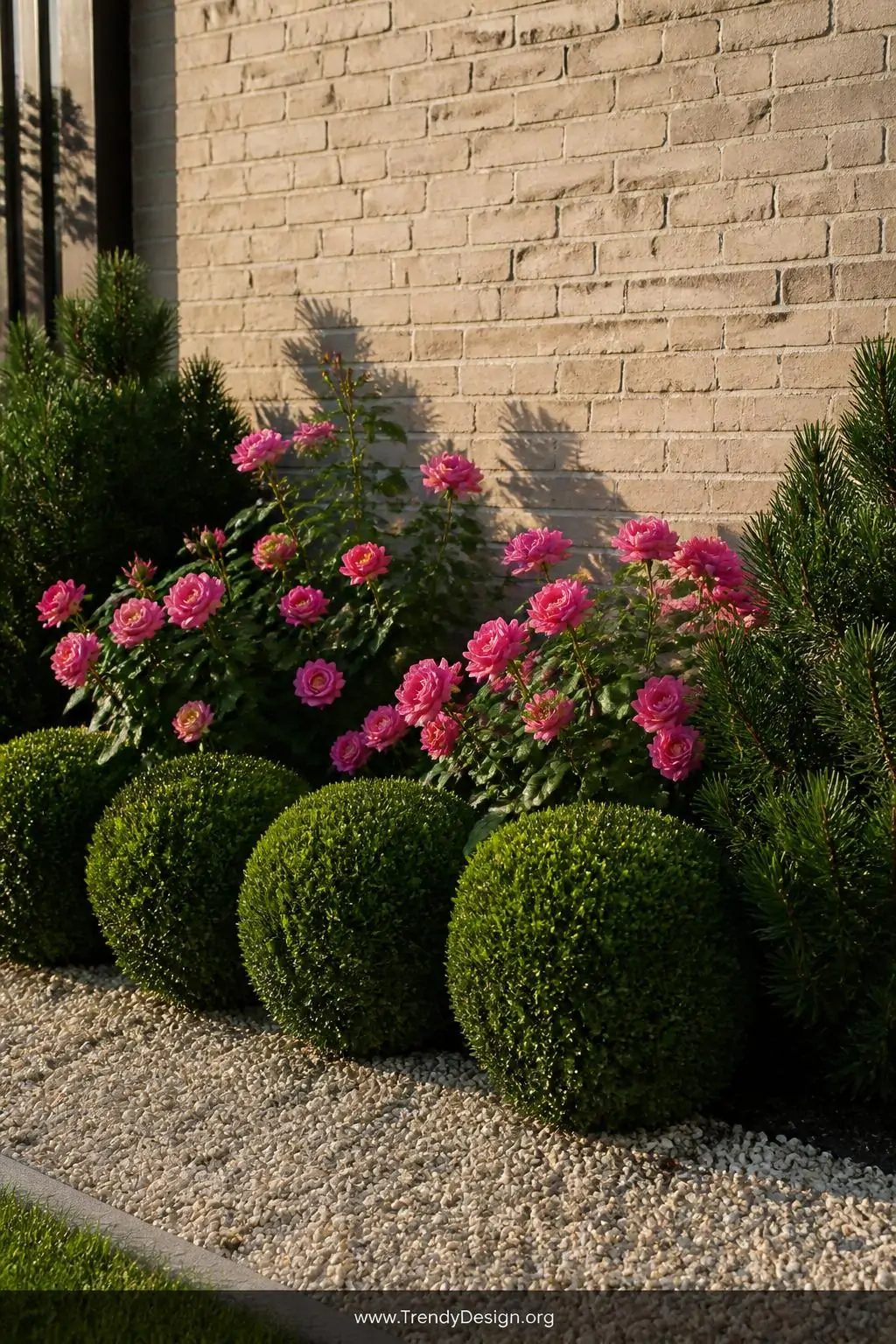
Shrubs are the unsung workhorses of any truly low-maintenance garden. A well-chosen shrub grows to its natural shape, holds its space season after season, and provides consistent structure and color without constant attention. They’re the garden equivalent of that reliable friend who always shows up no reminders necessary.
Varieties like boxwood, spirea, knockout roses, and dwarf mugo pines require only occasional light pruning once or twice a year to stay looking sharp. Mix flowering shrubs with evergreen varieties to ensure your garden has year-round visual appeal, not just a brief spring peak. These low-maintenance garden ideas work best when shrubs form the bones of your design, with smaller plants filling in around them.
FYI, knockout roses in particular deserve special applause they bloom prolifically, resist disease, and bounce back from almost anything. Plant them once and enjoy them for literally decades.
Your Beautiful, Effortless Garden Awaits
Creating a stunning outdoor space doesn’t require a professional landscaper, an unlimited budget, or a complete lifestyle overhaul. By layering these low-maintenance garden ideas together native plants, smart watering, perennials, mulch, and strong structural elements you build a garden that genuinely works for your life rather than against it.
Start with one or two changes this season and build from there. Before long, you’ll be the neighbor everyone stops to compliment, and your secret will simply be working smarter, not harder. Now that’s a garden win worth celebrating.
Leave a Reply