There’s something genuinely magical about stepping outside in the morning and hearing your garden buzzing, chirping, and fluttering with life. A wildlife-friendly garden isn’t just beautiful it’s a tiny ecosystem you get to design from scratch. Whether you have a sprawling backyard or a modest patio, these ideas will help you roll out the welcome mat for some seriously adorable (and helpful) guests.
The best part? You don’t need a horticulture degree or an unlimited budget. You just need a little know-how and the willingness to let your garden get a little wonderfully wild. Let’s dig in.
1. Plant a Native Wildflower Meadow
As an Amazon Associate I earn from qualifying purchases.
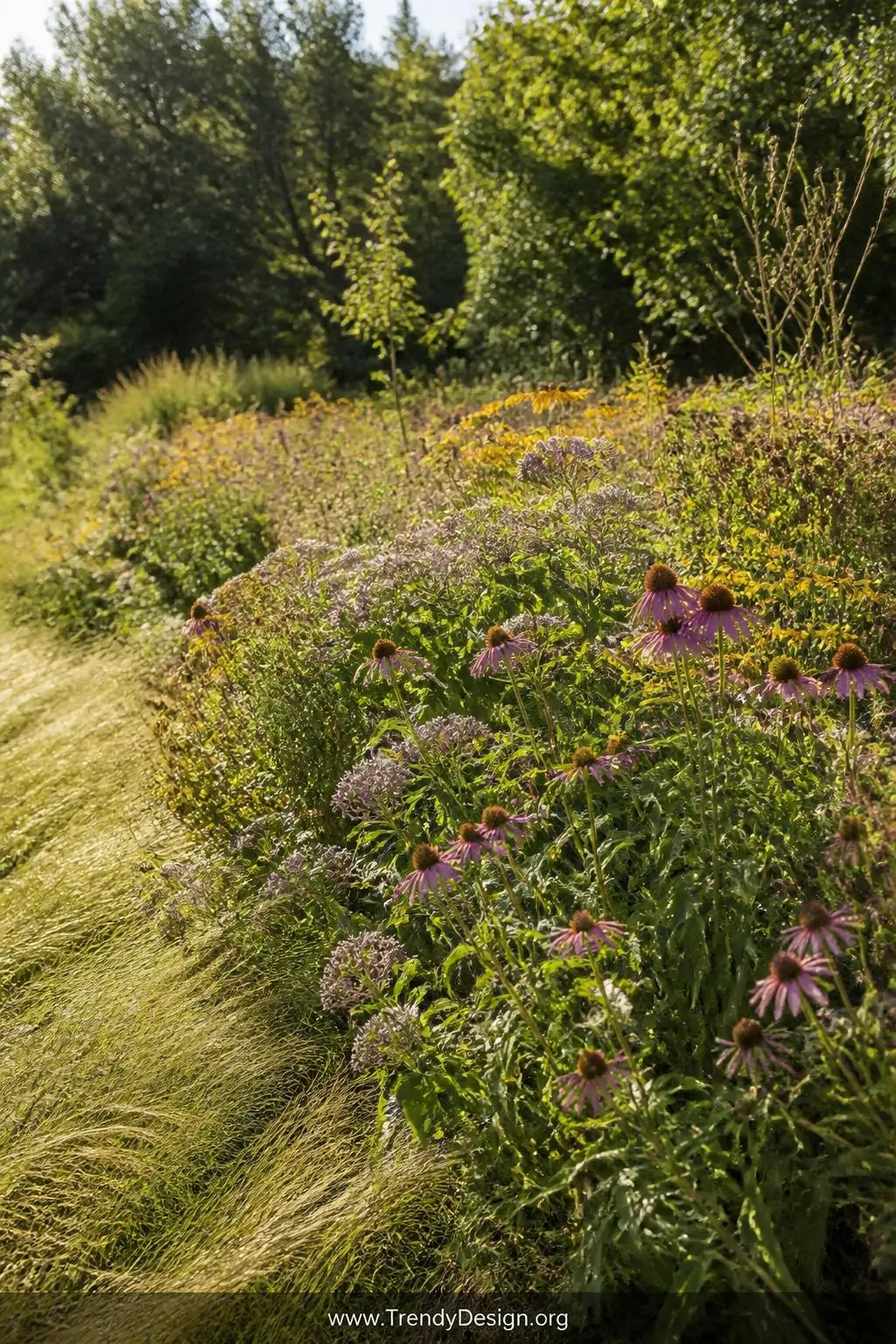
If you’ve been mowing every inch of your yard into submission, it’s time to reconsider. Native wildflowers are the single most powerful thing you can add to a wildlife-friendly garden because they’ve evolved alongside local pollinators for thousands of years. Bees, butterflies, and even hummingbirds know exactly what to do when they spot them.
Start small even a 4×4 patch of native wildflowers can make a measurable difference. Look for species like coneflowers, black-eyed Susans, and native milkweed. They’re low-maintenance, drought-tolerant, and honestly way more interesting than a plain grass lawn.
- Choose at least 5-7 different native species for continuous blooming
- Leave seedheads standing in autumn birds will thank you
- Skip the pesticides entirely in your wildflower zone
2. Install a Fresh Water Bird Bath
As an Amazon Associate I earn from qualifying purchases.
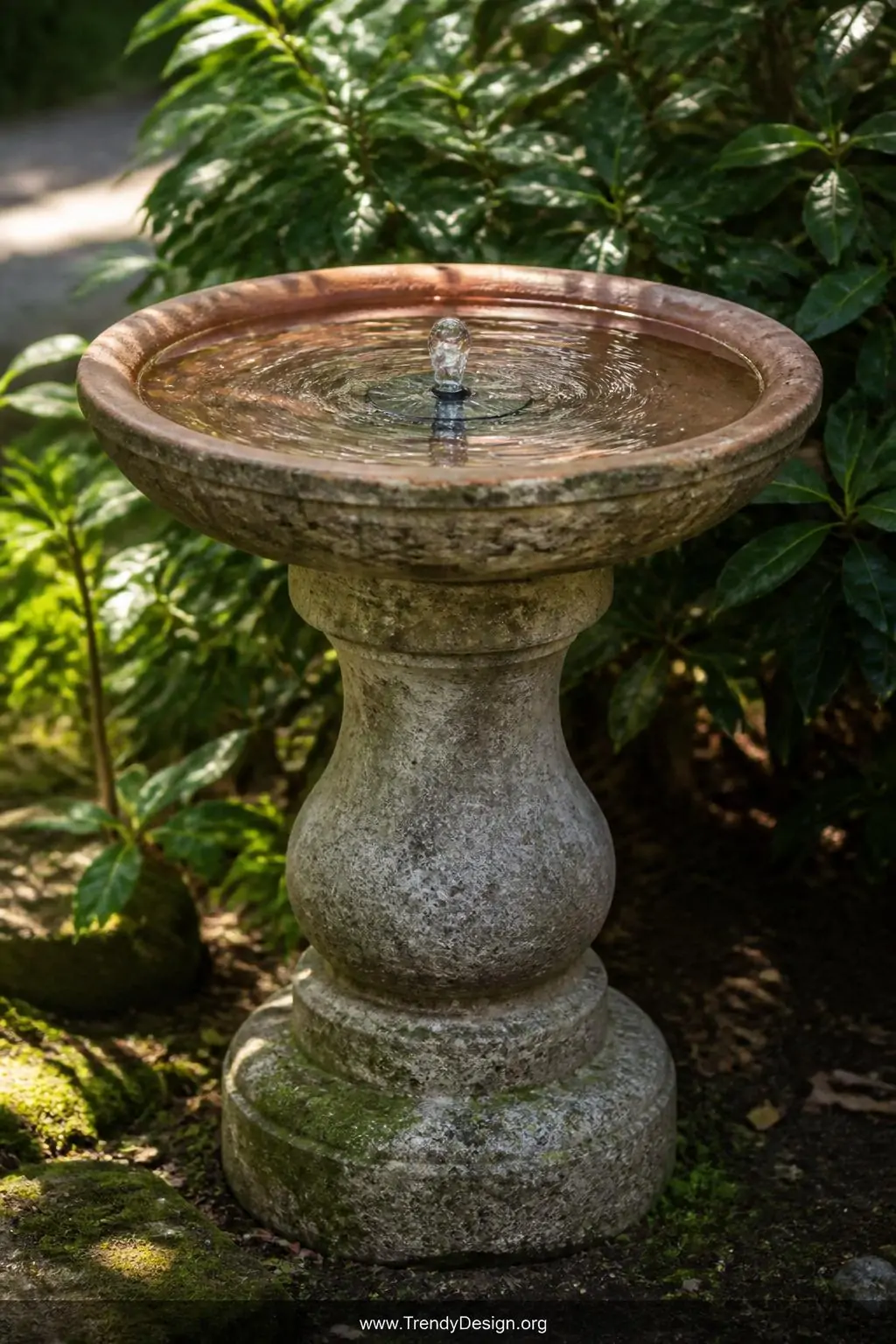
Birds need water just as much as they need food, and a bird bath is one of the easiest wildlife-friendly garden additions you can make today. You’ll be amazed how quickly word spreads in the bird community add a bath on Monday and by Wednesday you’ll have regulars stopping by for their morning splash.
Keep the water shallow (no more than two inches deep) and change it every few days to prevent mosquito breeding. FYI, adding a small solar-powered bubbler or dripper makes the water moving, which attracts far more birds than still water. The sound of trickling water is basically a neon “open” sign for wildlife.
Bird Bath Placement Tips
- Place it in partial shade to keep water cooler longer
- Position near shrubs so birds can quickly dart to safety
- Keep it at least 10 feet from bird feeders to avoid contamination
- Clean the basin weekly with a gentle brush and fresh water
3. Build a Bee Hotel From Natural Materials
As an Amazon Associate I earn from qualifying purchases.
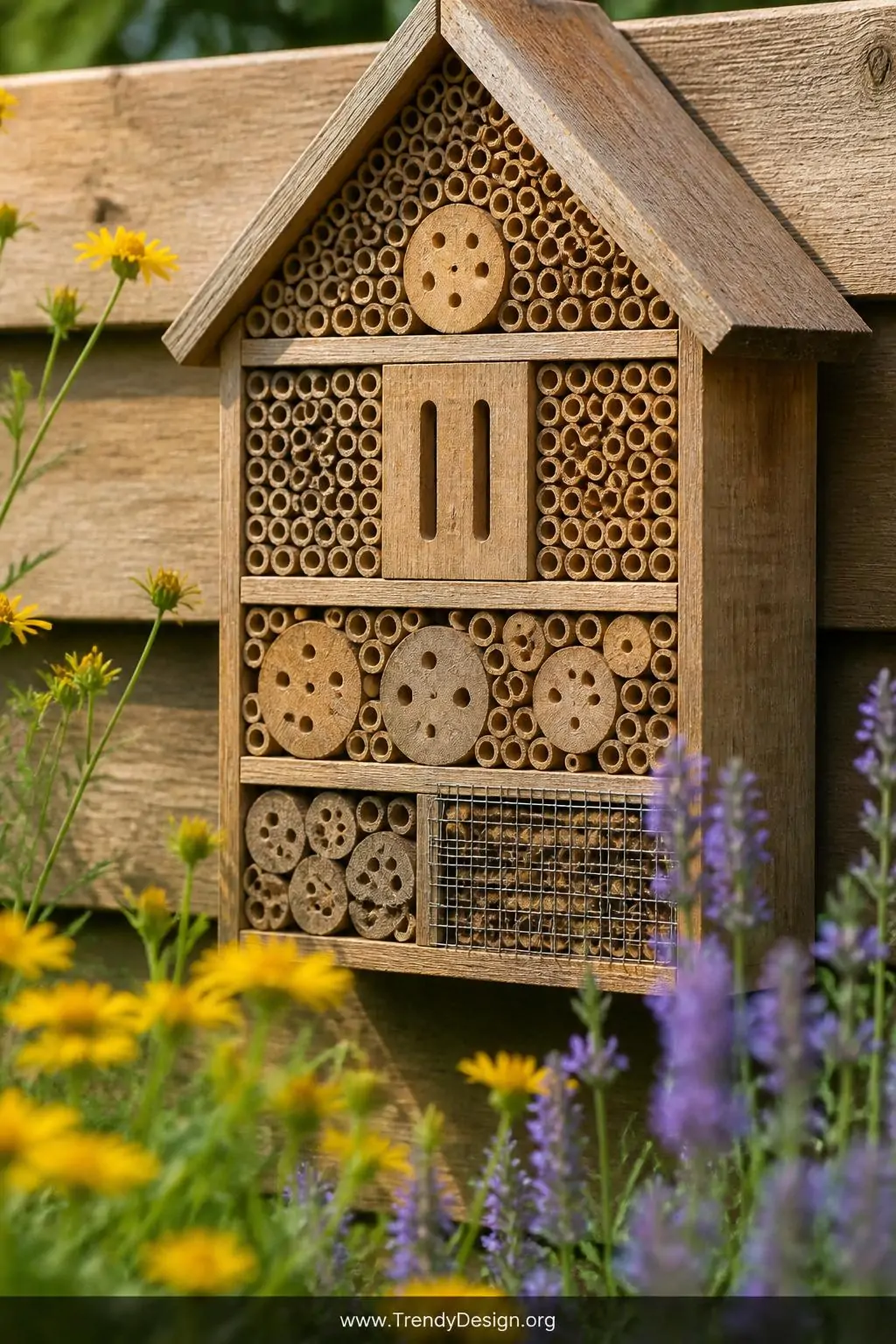
Forget the five-star resort your garden needs a bee hotel, and solitary bees are the guests who will absolutely make your garden thrive. Unlike honeybees, solitary bees like mason bees and leafcutter bees don’t live in hives. They need small, dry tunnels to lay their eggs, and a homemade bee hotel delivers exactly that.
You can buy a ready-made bee hotel or build one using bamboo tubes, drilled wooden blocks, and hollow stems bundled together. Mount it on a south-facing fence or wall at eye level, and place it near flowering plants for best results. IMO, there’s nothing more satisfying than watching a little bee inspect your handiwork and decide it’s perfect.
4. Grow a Butterfly Bush Border
As an Amazon Associate I earn from qualifying purchases.
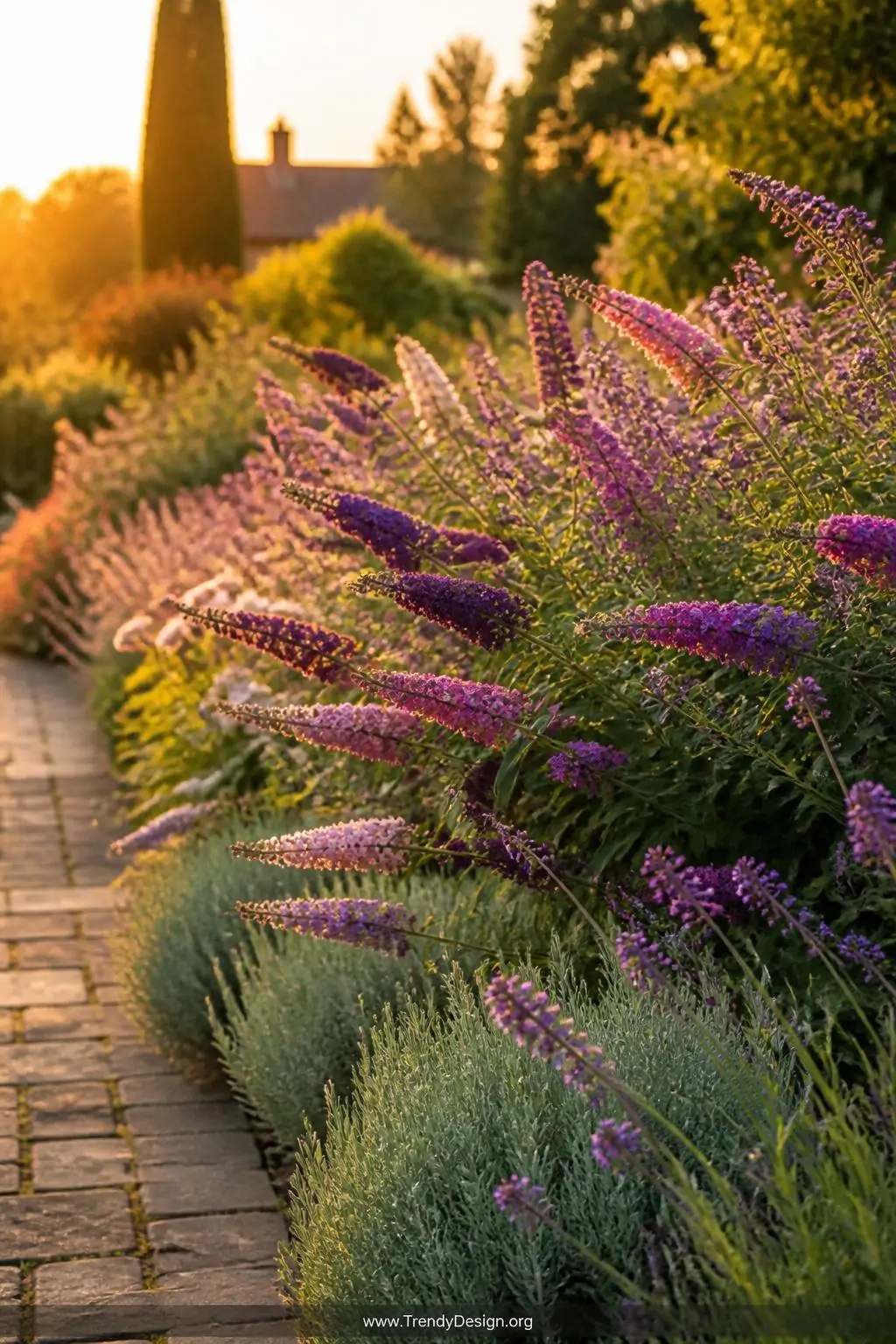
The name really does say it all a butterfly bush (Buddleja) is essentially a butterfly magnet wrapped in gorgeous purple, white, or pink flower spikes. Plant a border of them along a fence or pathway and prepare to see painted ladies, red admirals, and swallowtails arriving like they received a personal invitation.
One important note: in some regions, traditional butterfly bush can become invasive, so check your local guidelines and consider sterile cultivars like ‘Miss Ruby’ or ‘Lo and Behold.’ Pair them with lavender and verbena for a pollinator border that blooms from early summer right through autumn. It’s practically a wildlife-friendly garden party that runs all season.
5. Create a Log Pile Habitat Corner
As an Amazon Associate I earn from qualifying purchases.
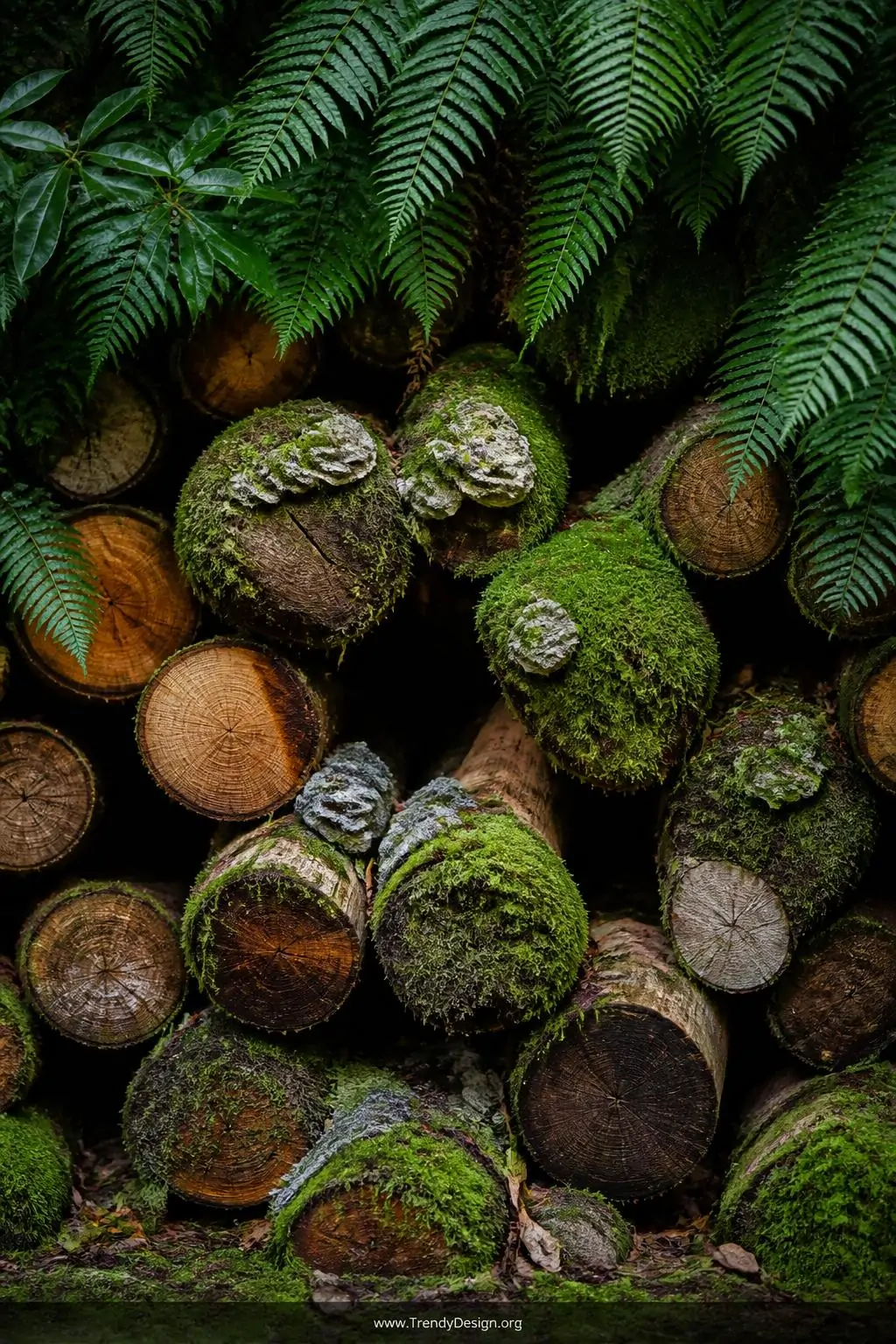
Here’s a garden idea that requires almost zero effort: stack some logs in a corner and call it a habitat. A log pile is one of the most underrated wildlife-friendly garden features around, providing shelter for beetles, hedgehogs, frogs, and the beneficial insects that keep your garden healthy and balanced.
Choose a shady, slightly damp spot and stack logs of varying sizes loosely so creatures can get in and out easily. Leave the bark on and let moss and fungi grow that’s the whole point. Over time your log pile becomes a micro-ecosystem, and you’ll start noticing it getting busier with each passing season.
- Use untreated, naturally fallen wood whenever possible
- Mix different wood types to attract different species
- Don’t disturb it once established residents move in fast
6. Hang Nesting Boxes for Garden Birds
As an Amazon Associate I earn from qualifying purchases.
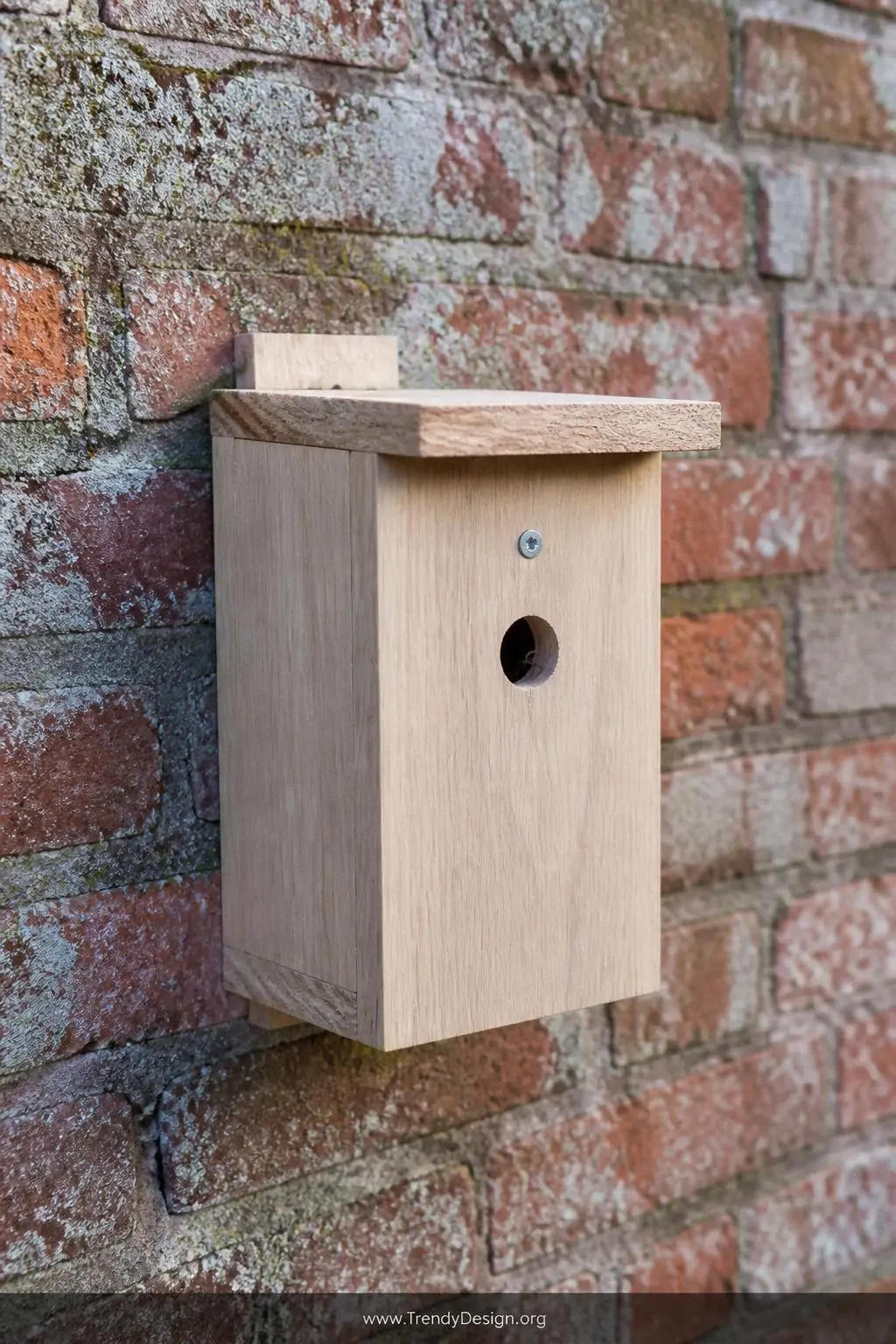
Birds don’t just visit wildlife-friendly gardens with the right setup, they’ll actually move in. Nesting boxes give cavity-nesting birds like blue tits, robins, and wrens the safe, sheltered homes they desperately need, especially as natural tree cavities become harder to find in urban areas.
Different birds need different entrance hole sizes, so do a quick check before buying. Mount boxes on a north or east-facing wall or tree to avoid overheating, and position them at least six feet off the ground. Honestly, once you see a bird carrying nesting material into your box for the first time, you’ll want to put up boxes everywhere.
Choosing the Right Nesting Box
- 25mm hole: blue tits and coal tits
- 28mm hole: great tits and tree sparrows
- Open-fronted box: robins and wrens
- Large box with 45mm hole: starlings and house sparrows
7. Plant a Flowering Herb Garden
As an Amazon Associate I earn from qualifying purchases.
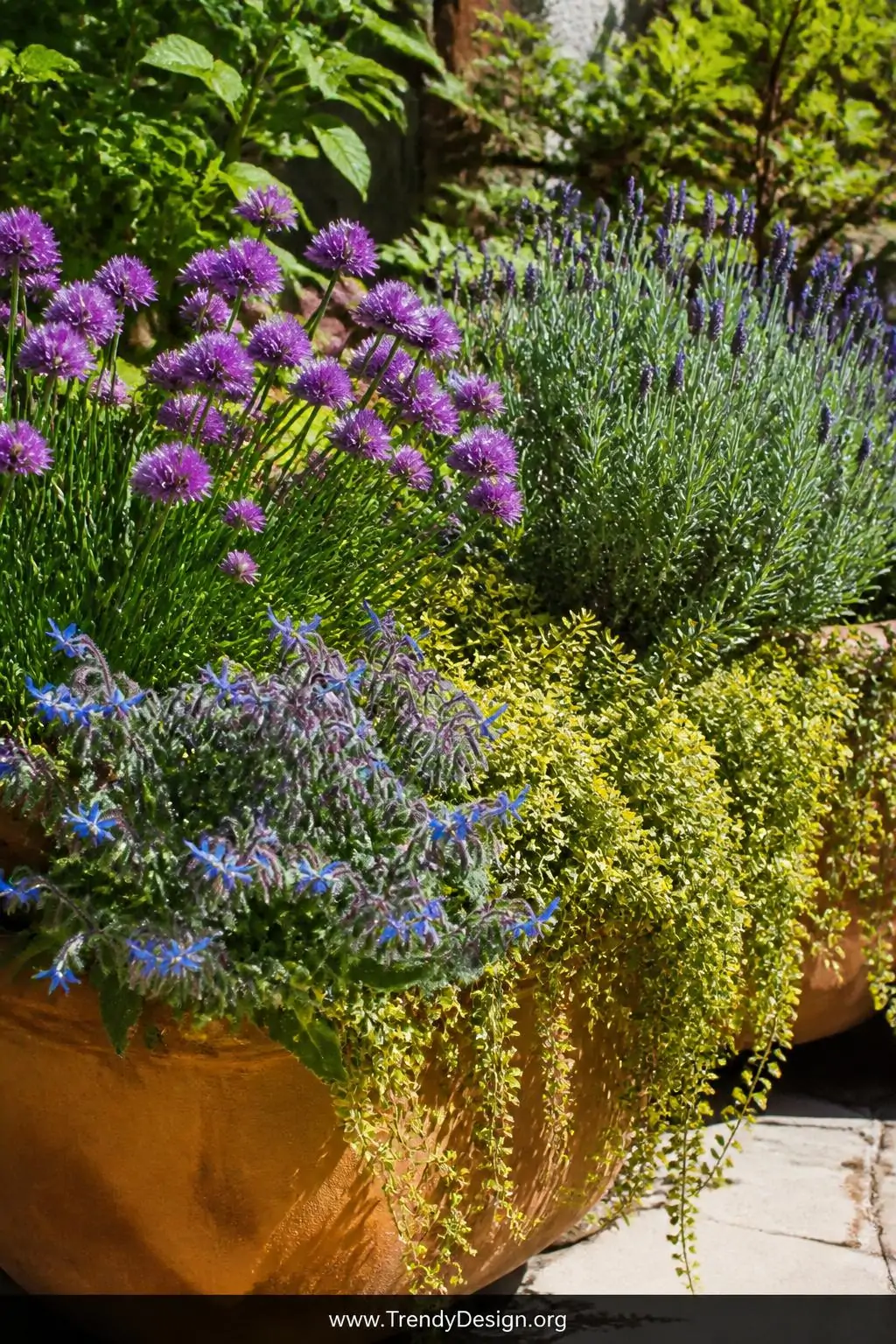
Here’s a two-for-one deal your garden absolutely deserves: a flowering herb garden feeds both your kitchen and your local pollinators with spectacular efficiency. Herbs like lavender, thyme, oregano, borage, and chives produce masses of small flowers that bees absolutely go wild for, especially in the height of summer.
Let some of your herbs bolt and flower instead of constantly cutting them back. That leggy chive plant you’ve been eyeing suspiciously? Let it bloom bees will queue up for those purple pom-pom flowers. Plant your herb garden in a sunny spot with good drainage and you’ll have one of the busiest corners in your wildlife-friendly garden all summer long.
8. Add a Small Garden Pond
As an Amazon Associate I earn from qualifying purchases.
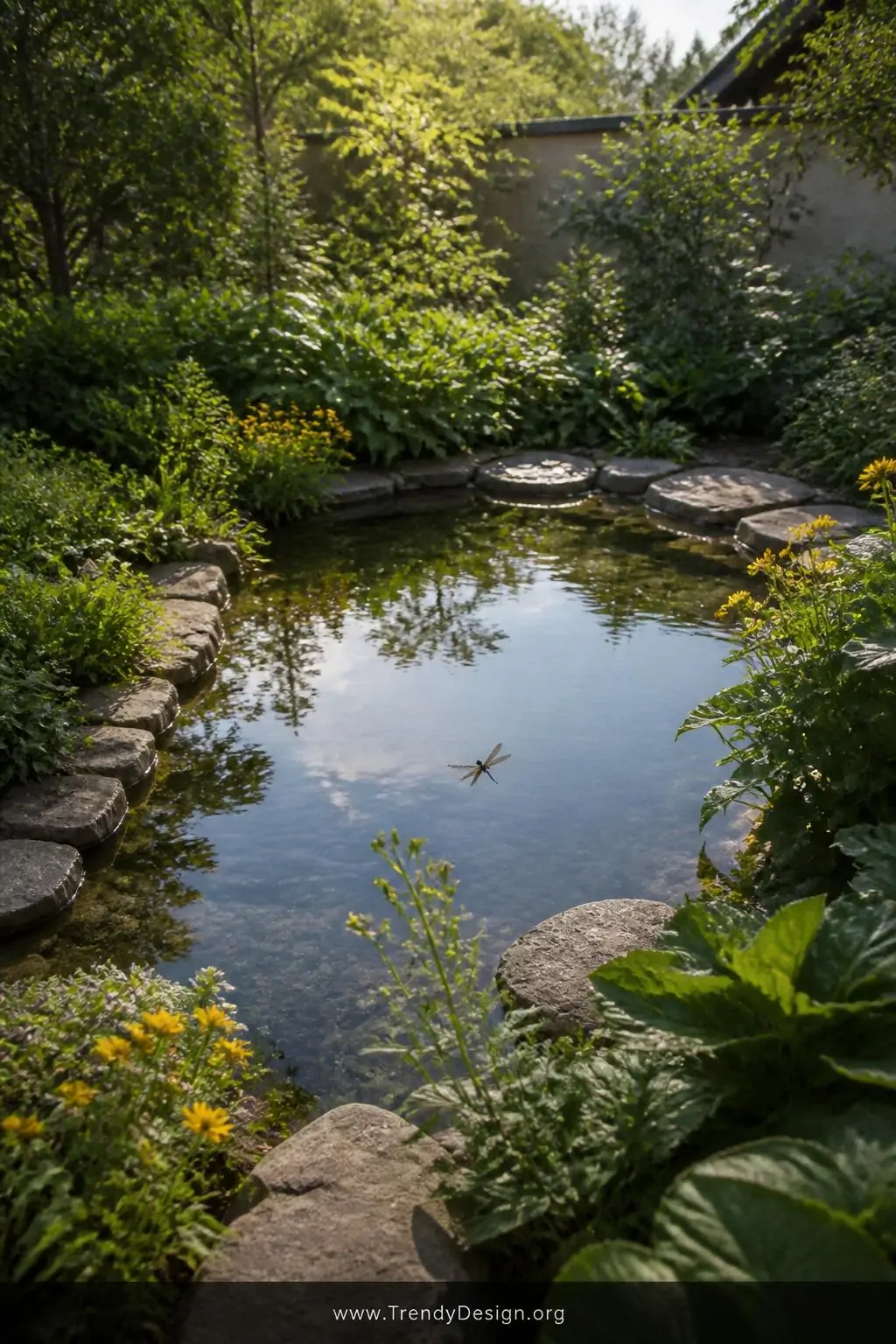
If you really want to level up your wildlife credentials, a garden pond is the ultimate wildlife-friendly garden feature full stop. Even a small pond dug into a corner or a half-barrel water feature on a patio will attract frogs, dragonflies, water beetles, and birds within a single season. It’s genuinely astonishing how fast wildlife finds water.
You don’t need a massive space or a fancy pump. A naturally planted, still-water pond with gentle sloping edges so creatures can climb in and out safely is all you need. Add native aquatic plants like water mint, marsh marigold, and hornwort to oxygenate the water and provide cover. FYI, never add fish to a wildlife pond they’ll eat everything you’re trying to attract.
9. Grow Ivy and Climbing Plants on Walls
As an Amazon Associate I earn from qualifying purchases.
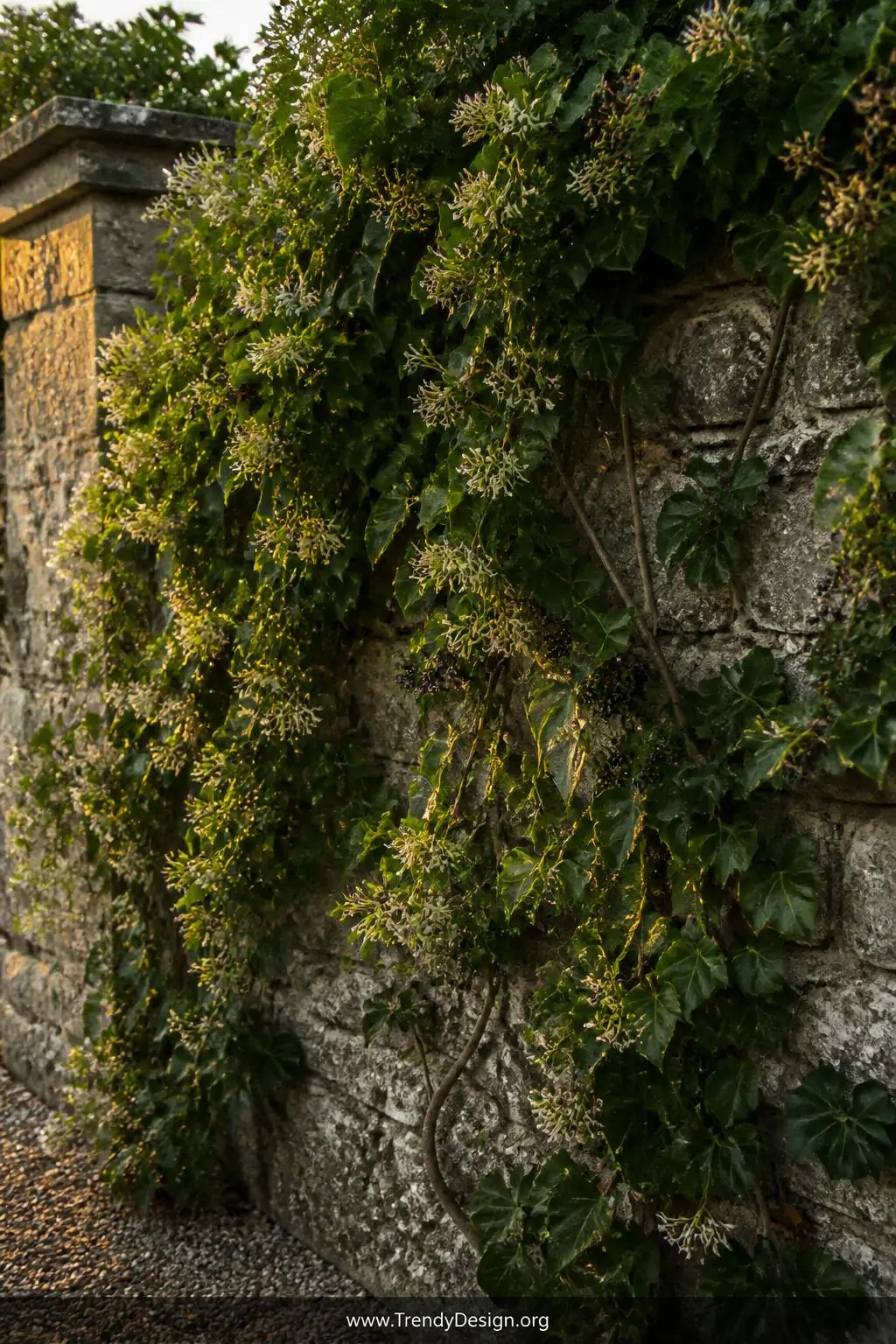
Ivy and climbing plants like honeysuckle and clematis are secret wildlife superhighways that most gardeners overlook completely. Ivy in particular provides nesting sites for birds, late-season nectar for bees and butterflies, and winter berries that keep birds fed when everything else has died back. It’s basically a year-round wildlife apartment complex.
Don’t believe the myth that ivy damages walls well-established, healthy walls are absolutely fine, and the benefits far outweigh any concerns. Honeysuckle is another fantastic option, filling summer evenings with fragrance while feeding bumblebees and hawk-moths. Let these climbers roam freely and your garden fence or wall transforms into one of the most productive features in your entire outdoor space.
The Bottom Line
Creating a wildlife-friendly garden is one of the most rewarding things you can do with your outdoor space for the planet, for your local ecosystem, and honestly for your own daily joy. You don’t have to implement all nine ideas at once. Start with one or two that excite you most, and build from there.
Every native flower planted, every nesting box hung, and every pond dug makes a real difference to the birds, bees, and butterflies in your neighborhood. Before long, your garden won’t just look beautiful it’ll be alive with the sounds and colors of wildlife that chose your space as their home. And trust us, that feeling never gets old.
Leave a Reply