Let’s be honest nobody wants to choose between a gorgeous home and a manageable electricity bill. The good news is that energy-saving LED lighting has come so far in the last few years that you genuinely don’t have to pick one over the other. Whether you’re redesigning your entire space or just tired of cringing when the power bill arrives, these ideas will help you light up your home beautifully without lighting your wallet on fire.
Think of this as a chat with a friend who’s obsessed with both interior design and smart spending. Grab your coffee, and let’s dive in.
1. Swap Every Bulb in Your Home (Yes, Every Single One)
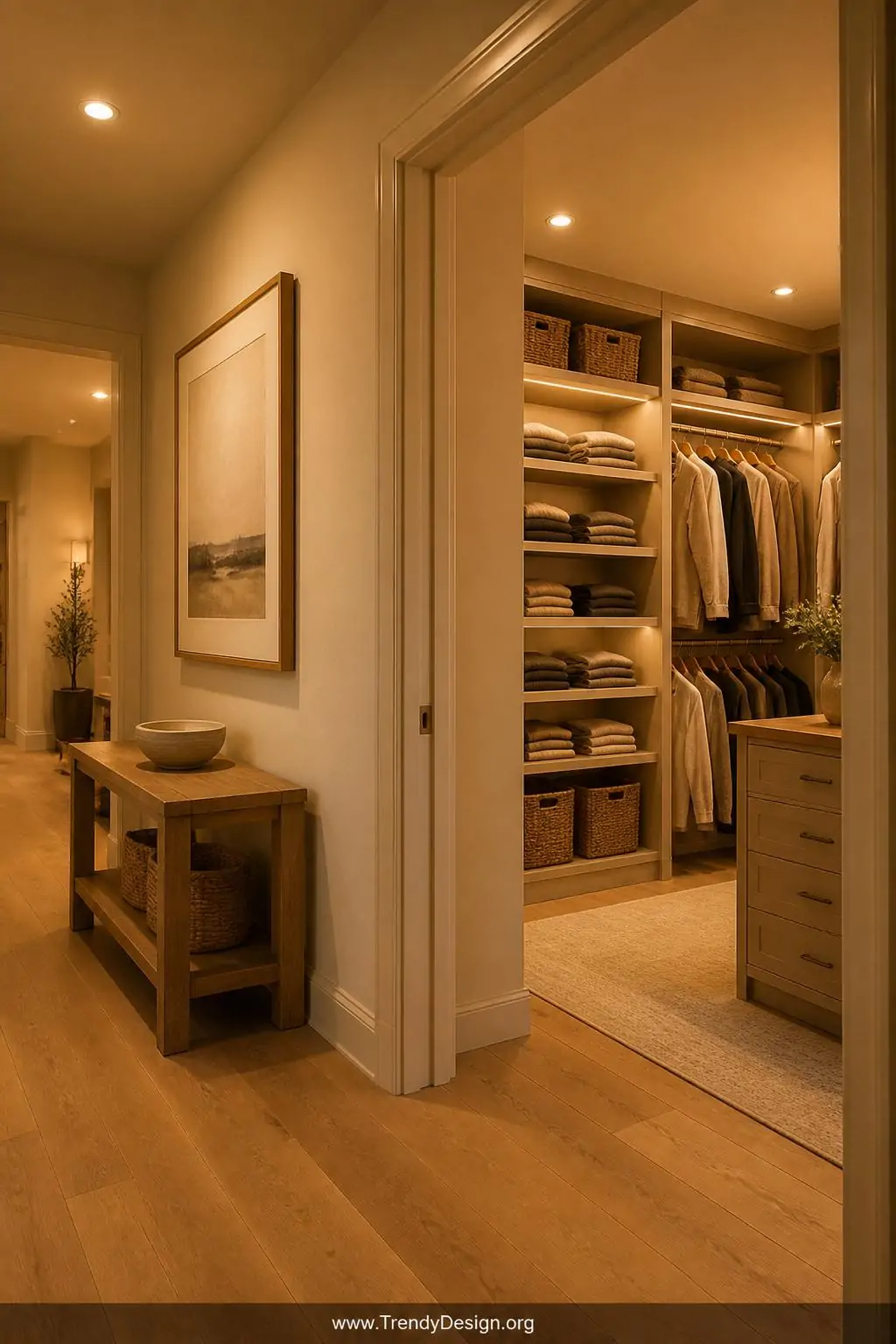
This one sounds obvious, but you’d be amazed how many people still have a mix of old incandescent bulbs hiding in closets, hallways, and forgotten lamps. Making a full switch to LED bulbs is the single fastest way to see a real drop in your energy costs. LEDs use up to 75% less energy than traditional bulbs and last up to 25 times longer that’s not marketing fluff, that’s genuinely impressive math.
Start by doing a quick walk-through of every room and making a list. You can replace bulbs gradually over a few weeks so the upfront cost doesn’t sting as much. IMO, this simple swap is the highest-impact, lowest-effort home upgrade you’ll ever make.
2. Layer Your Lighting Like a Pro Designer Would
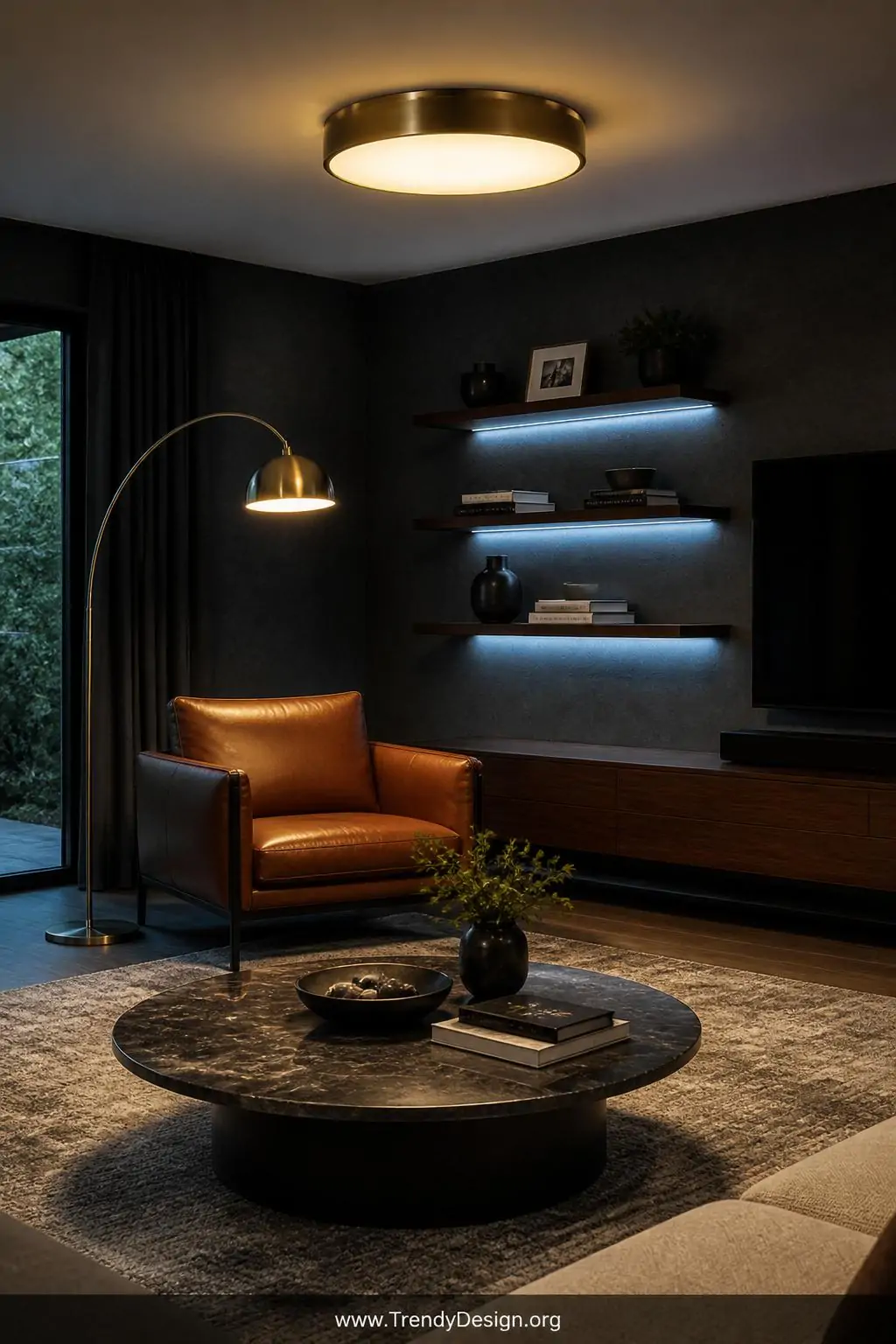
Here’s a secret designers love: layered lighting makes rooms feel luxurious, and it also keeps your energy use in check because you’re only turning on exactly what you need. Instead of relying on one big overhead light that floods the whole room, combine ambient, task, and accent lighting using LEDs at each level.
Think a warm LED floor lamp for cozy evenings, a focused LED desk light for working, and some soft LED strip lights under shelving for ambiance. You’re creating mood and function without ever needing that energy-hungry overhead fixture on full blast. It’s a win for your vibe and your voltage.
Quick Layering Checklist
- Ambient: Dimmable LED ceiling fixtures or recessed lights
- Task: LED desk lamps, under-cabinet kitchen lights
- Accent: LED strip lights, picture lights, or shelf lighting
3. Install Dimmer Switches for Instant Ambiance Control
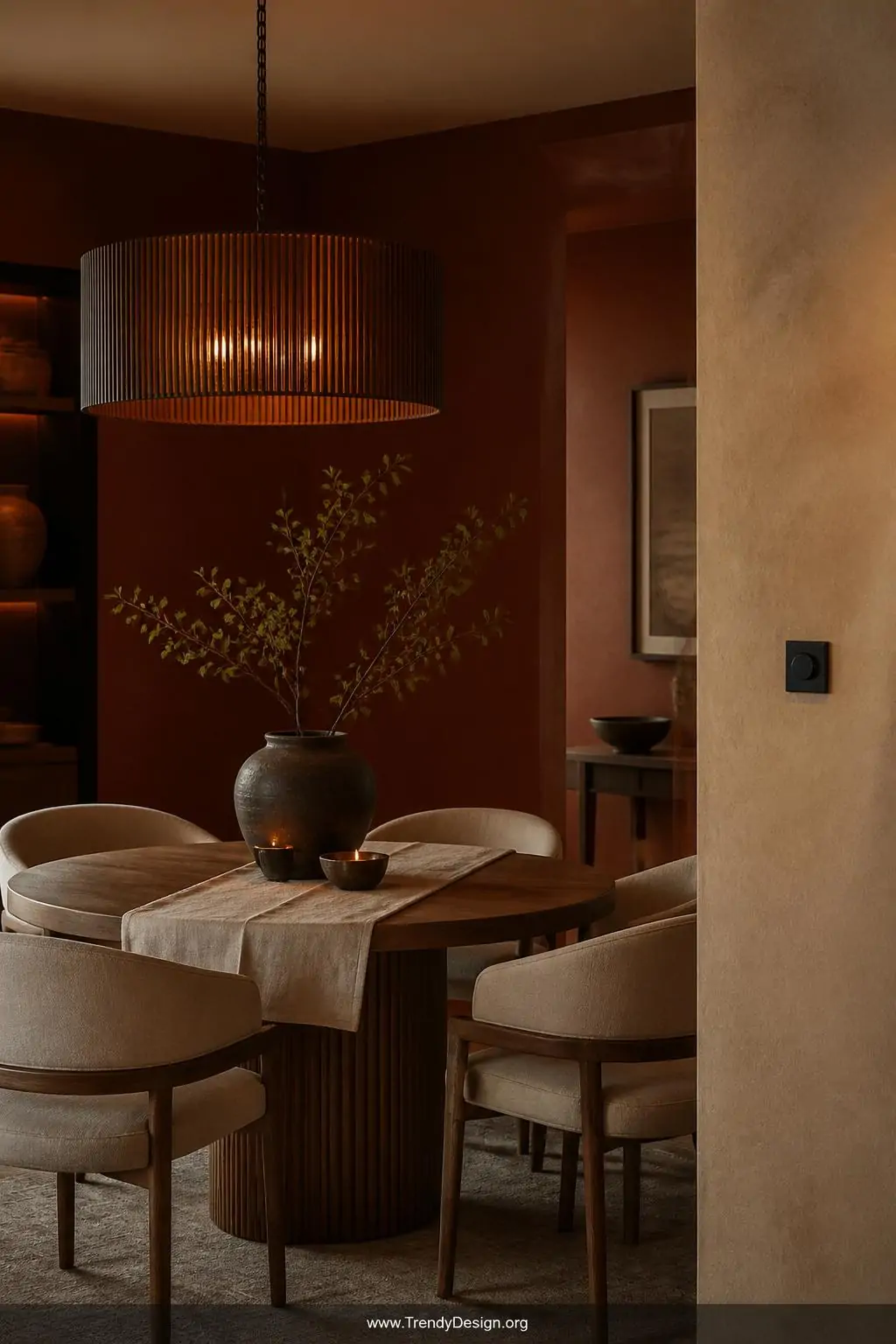
If you haven’t paired your energy-saving LED lighting with dimmer switches yet, you’re leaving both money and atmosphere on the table. Dimming your lights even by 25% can reduce energy consumption noticeably, and the warm, moody glow you get is straight-up chef’s kiss for living rooms and bedrooms.
Just make sure you buy LEDs that are labeled “dimmable” not all of them are, and incompatible bulbs can flicker like a haunted house, which is only fun on Halloween. Most dimmers are easy DIY installs, or a handyman can knock it out in under an hour. Your dining room will thank you dramatically.
4. Use Smart Bulbs to Automate Your Savings
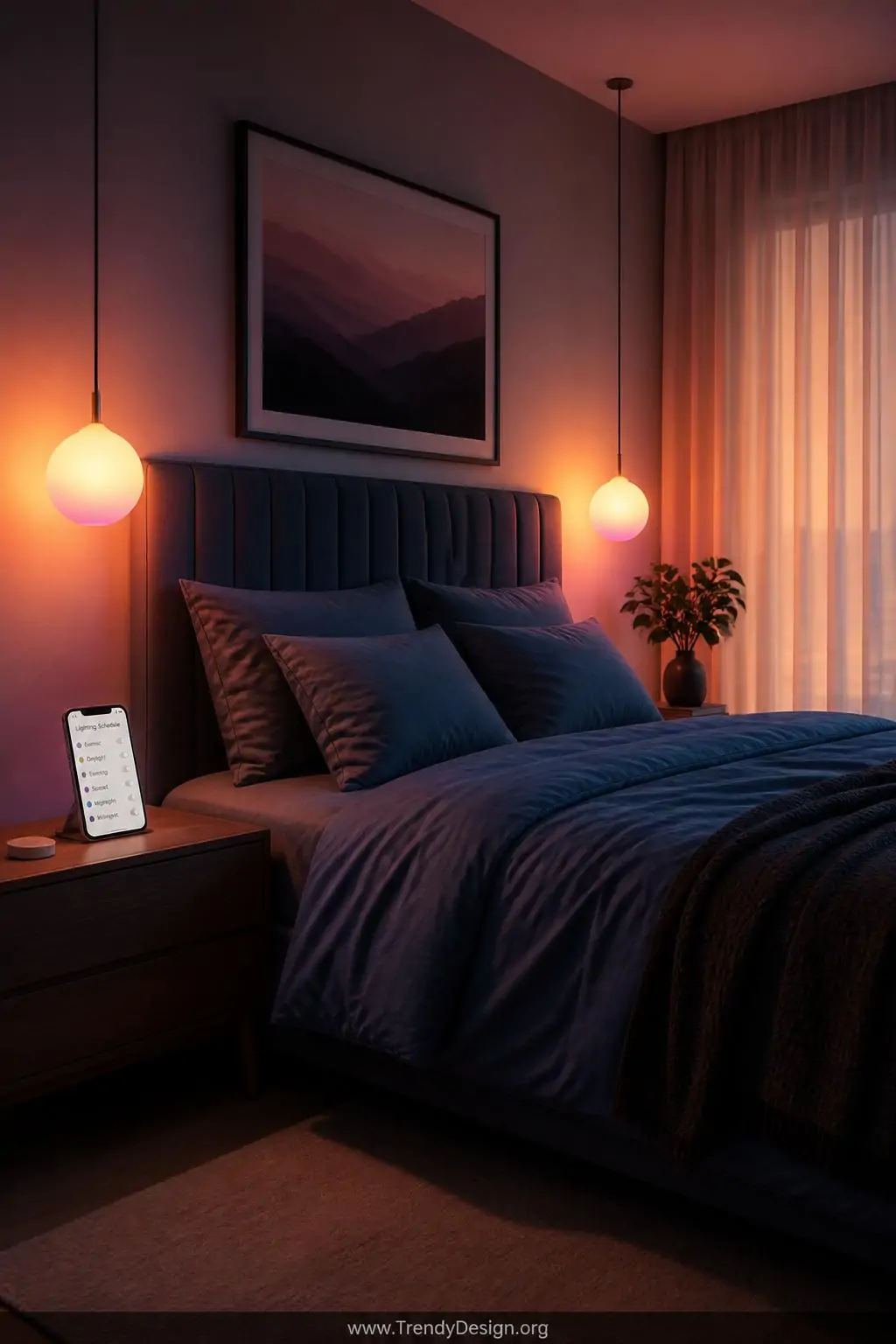
Smart LED bulbs are genuinely one of the coolest upgrades you can make right now. Setting schedules and automations means your lights turn off automatically when you forget and we all forget. Brands like Philips Hue, LIFX, and even budget-friendly options from Amazon work beautifully with voice assistants and smartphone apps.
FYI, you can set your lights to gradually brighten in the morning like a sunrise alarm, dim automatically at 9 PM for wind-down mode, and shut off entirely when your phone’s GPS knows you’ve left the house. That’s not just convenient that’s real, consistent energy savings happening on autopilot every single day.
- Schedule lights to turn off during work hours automatically
- Set “away mode” so no bulb burns when the house is empty
- Use color temperature changes to support your natural sleep cycle
- Control everything remotely if you forgot before a vacation
5. Light Up Your Kitchen Smarter With Under-Cabinet LEDs
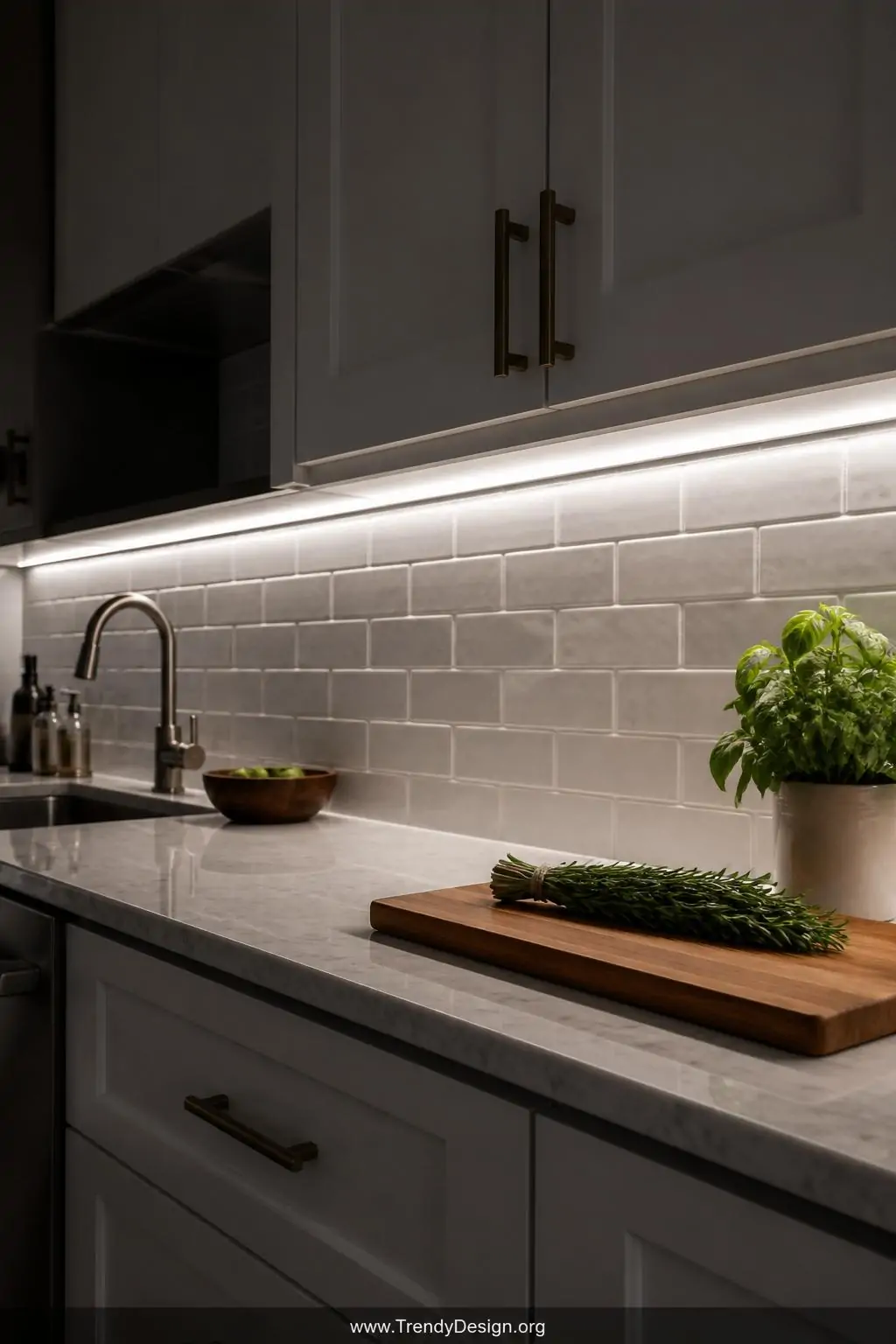
Kitchens are lighting hogs because people tend to flip on every overhead fixture just to chop an onion. Under-cabinet LED lighting is a game-changer here it puts bright, focused light exactly where you’re working, so you can leave the big overhead lights off or dimmed low. It makes your kitchen look like it belongs in a magazine, too, which is a lovely bonus.
LED tape strips or plug-in LED puck lights are affordable and easy to install without any electrical work. They highlight your backsplash, make countertops look incredible, and use a fraction of the energy of recessed overhead cans. Honestly, this is one of those upgrades that pays for itself in feel-good factor alone, before you even count the savings.
6. Take Your Outdoor Lighting Solar and LED
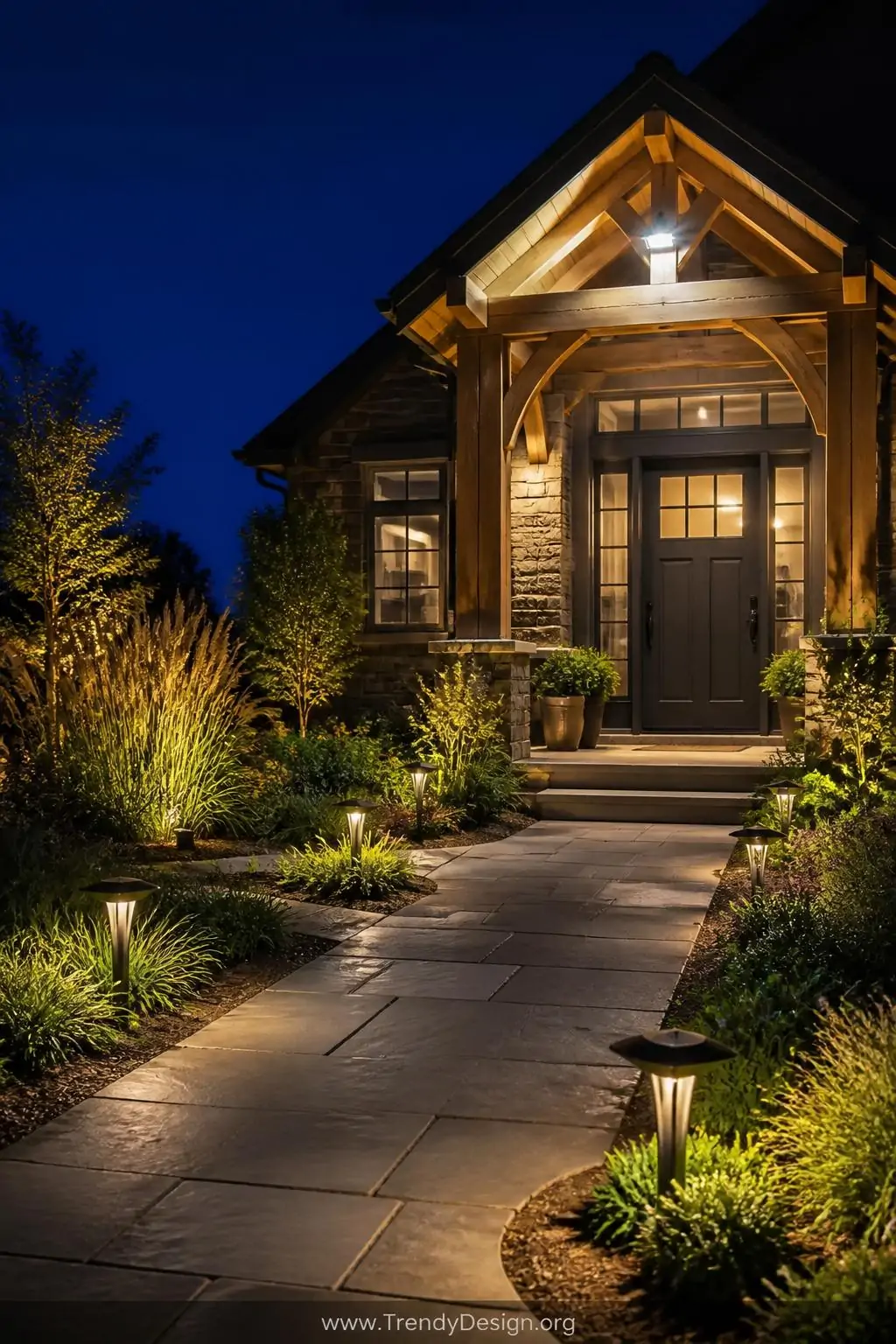
Outdoor lighting is one of those areas where energy costs quietly balloon because lights are running all night long. Combining solar-powered LED fixtures for pathways and garden areas with motion-sensor LED lights near entry points is a brilliant one-two punch. You get security, curb appeal, and essentially free lighting once the fixtures are installed.
Solar LED technology has improved enormously modern solar path lights stay bright all night even after a partially cloudy day. Motion-sensor LED floodlights near your garage or front door mean the light only activates when something actually moves, instead of burning electricity from dusk until dawn. Your neighbors will notice how good your exterior looks, and you’ll notice how low your bill stays.
7. Choose the Right Color Temperature for Every Room
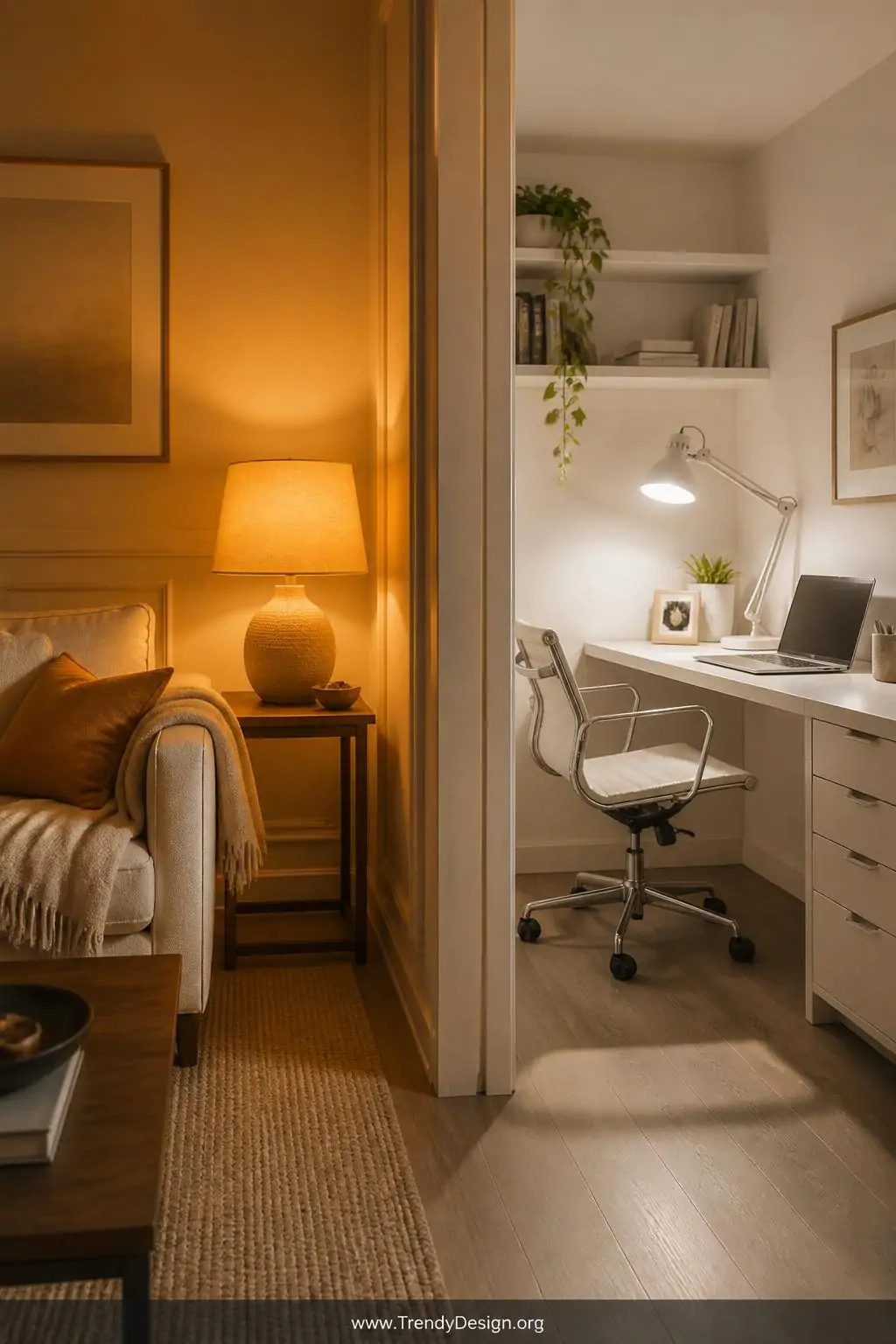
This is where energy-saving LED lighting gets genuinely fun and a little science-y. LEDs come in a range of color temperatures measured in Kelvins, and choosing the right one for each space makes rooms feel intentional and beautifully designed rather than just “well lit.” The right choice also means you’re not overcompensating with extra lamps trying to fix a light that feels wrong.
Warm white (2700K–3000K) is perfect for bedrooms, living rooms, and dining spaces where you want comfort and relaxation. Cool white or daylight (4000K–5000K) works wonderfully in home offices, bathrooms, and kitchens where clarity and focus matter. Getting this right means you’ll naturally use fewer light sources because each one is doing exactly the job it should.
Quick Color Temperature Guide
- 2700K: Cozy, warm glow living rooms, bedrooms, dining rooms
- 3000K: Soft white bathrooms, hallways, reading nooks
- 4000K: Neutral white kitchens, home offices, craft rooms
- 5000K+: Bright daylight garages, workshops, utility spaces
8. Add LED Accent Lighting to Make Your Décor Shine
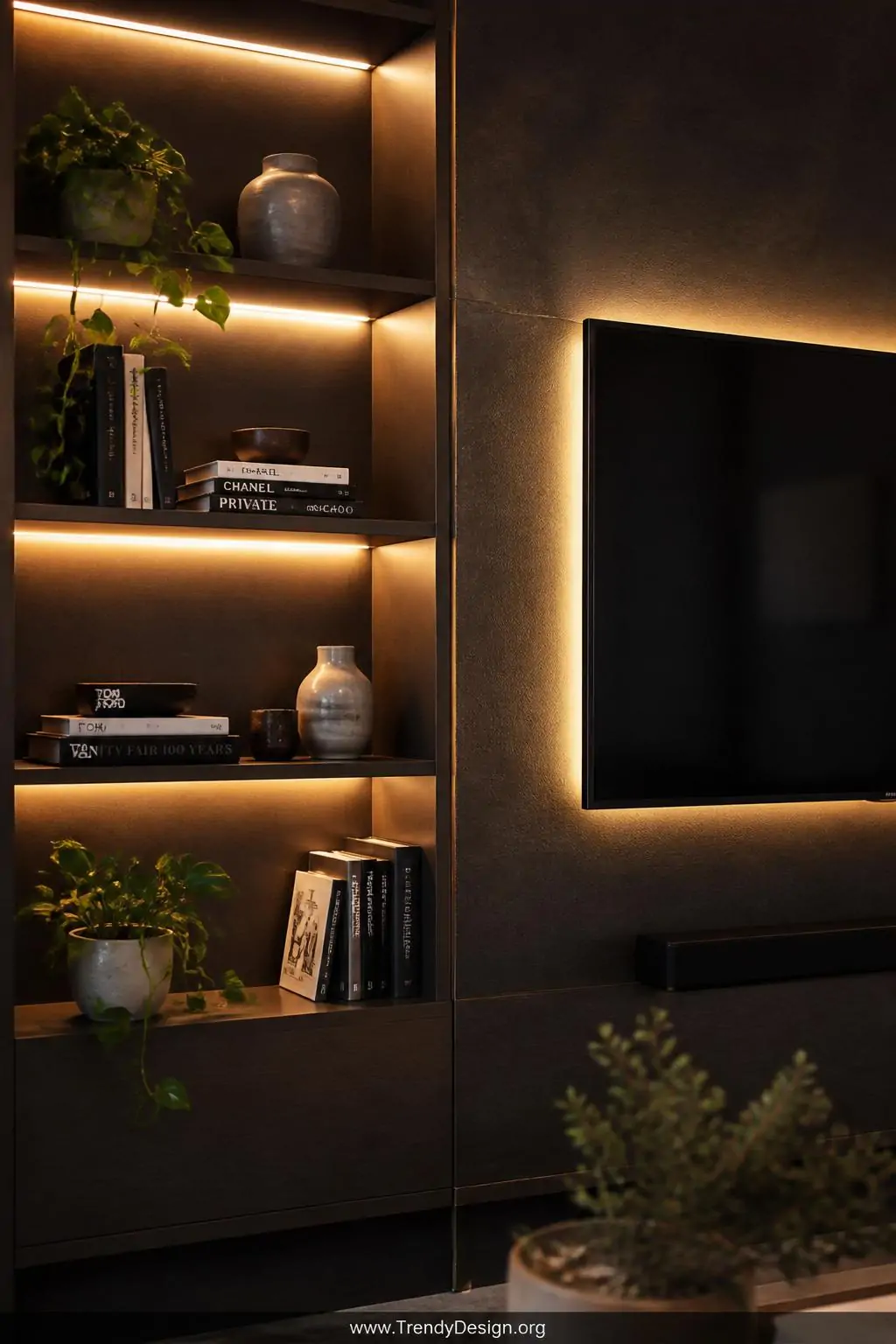
Last but absolutely not least, LED accent lighting is your secret weapon for making a space look styled, curated, and intentional without splurging on new furniture or décor. LED strip lights behind a TV create a gorgeous bias lighting effect that’s easy on the eyes and uses almost no energy. Shelf lighting makes your books and plants look like intentional displays instead of casual clutter.
Picture lights over artwork, LED candles on a mantel, and rope lights inside glass cabinets all add warmth and personality to a space while consuming minimal electricity. The beauty of accent LEDs is that they create so much visual impact that you actually end up using your big overhead lights less, which compounds your savings over time. Style and savings, living in perfect harmony just like we planned.
Wrapping It All Up
Switching to energy-saving LED lighting doesn’t mean living in a showroom of boring white light. As you’ve seen, there are so many creative, beautiful, and genuinely fun ways to illuminate your home that serve both your aesthetic and your bank account. Start with one or two of these ideas this week and build from there you don’t have to overhaul everything at once.
Small changes add up to real savings, and the best part is that your home will look better in the process. That’s the kind of upgrade that feels good every single day, every time you flip a switch.
Leave a Reply