If you’ve got a small yard, balcony, or a couple of raised beds and big veggie dreams, welcome to the club. You don’t need a farm to harvest like a pro you just need a smart layout. Let’s map out a mini-eden that fits your space, your schedule, and your salad bowl.
1. The Tetris-Style Grid Bed (A.K.A. Square-Foot Magic)
As an Amazon Associate I earn from qualifying purchases.
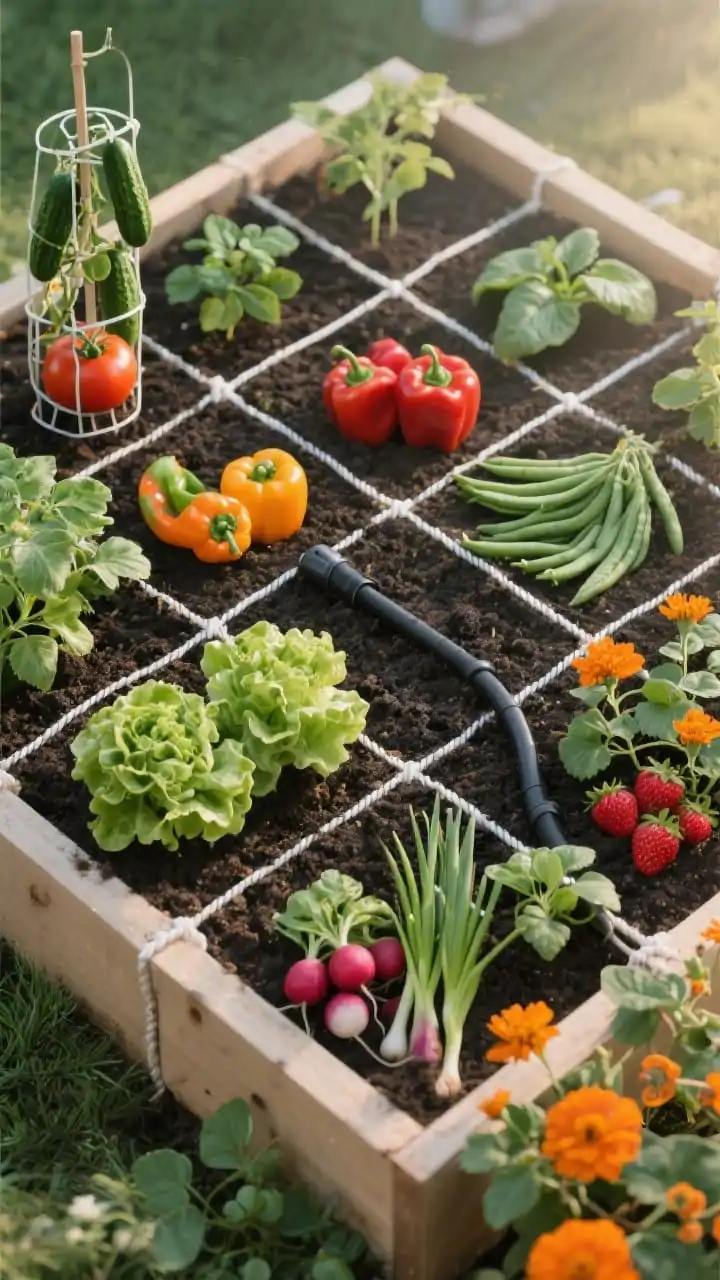
Think of this as gardening for people who love order or at least cute little boxes. Divide each raised bed into a tidy 12”x12” grid using string or wood slats. Plant by the square, not the row. It’s efficient, easy to plan, and wildly satisfying.
Why It Works
- Max yields in tiny spaces: Each square hosts a different crop 4 lettuces here, 9 radishes there, 1 tomato in a cage.
- Simple crop rotation: Next season, just shuffle what goes in each square.
- Less weeding, more eating: Dense planting shades soil and blocks weeds.
Starter Layout
- North side (tall stuff): 1 tomato per square with a cage, or trellised cucumbers.
- Center (medium height): Peppers, bush beans, basil.
- Front (low growers): Lettuce, radishes, green onions, strawberries.
Pro tip: Drop in a few marigolds or nasturtiums. They look cute and help repel pests. FYI, a simple drip line snaked through the grid = set-and-forget watering.
2. The Vertical Veggie Wall (Sky’s The Limit)
As an Amazon Associate I earn from qualifying purchases.
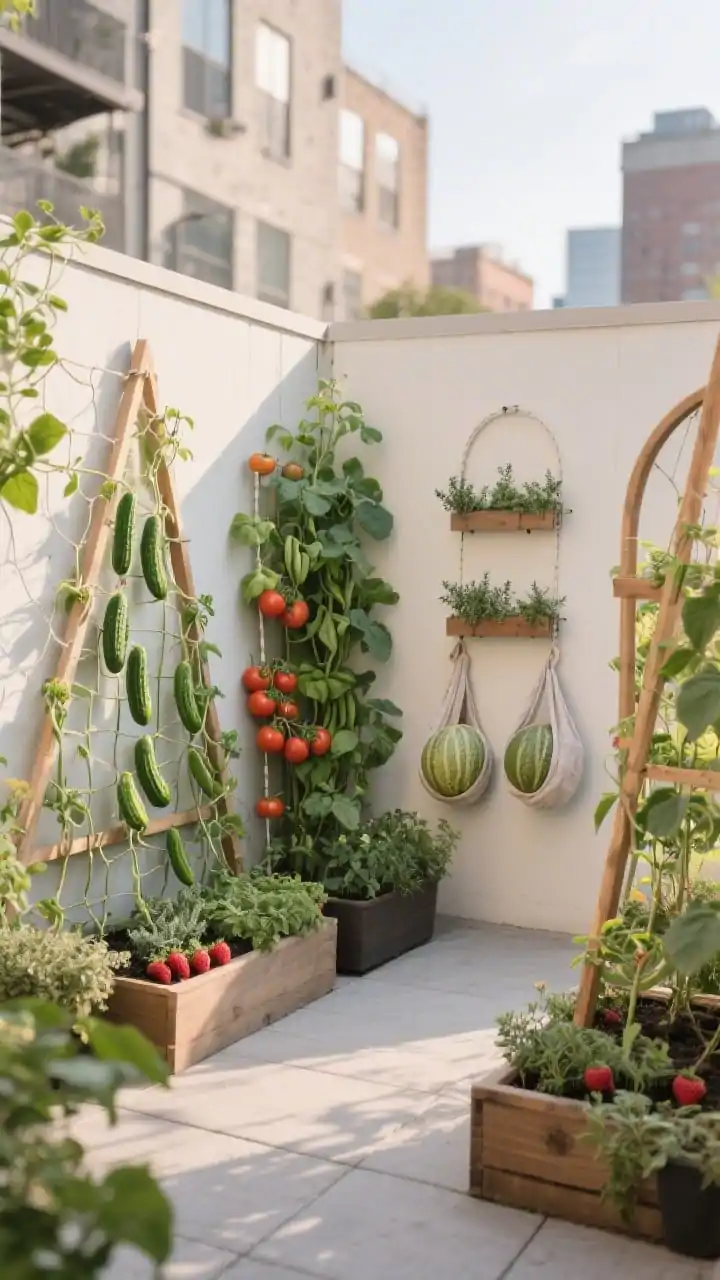
No ground? No problem. Go vertical with trellises, obelisks, wall pockets, or ladder-style planters. Your beans and cukes will be thrilled and you’ll free up floor space for herbs and salad greens.
Best Crops To Climb
- Pole beans and snap peas: Lightweight champs that love netting or string.
- Cucumbers: Trellis them to avoid slug drama and wonky shapes.
- Indeterminate tomatoes: Stake or string-train for a sleek, tidy look.
- Small melons and squash: Use slings for fruit (fashion meets function).
Layout Tips
- Place tall structures on the north side of beds so they don’t shade shorter crops.
- Mix in wall planters for thyme, oregano, and strawberries. Instant edible art.
- Keep pathways clear: Use narrow arches or A-frame trellises that fold up post-season.
Pro tip: Choose vining varieties over bush types when you’re training crops up. It’s like picking skinny jeans for your plants sleeker fit.
3. The Companion Planting Mosaic (Beauty With Benefits)
As an Amazon Associate I earn from qualifying purchases.
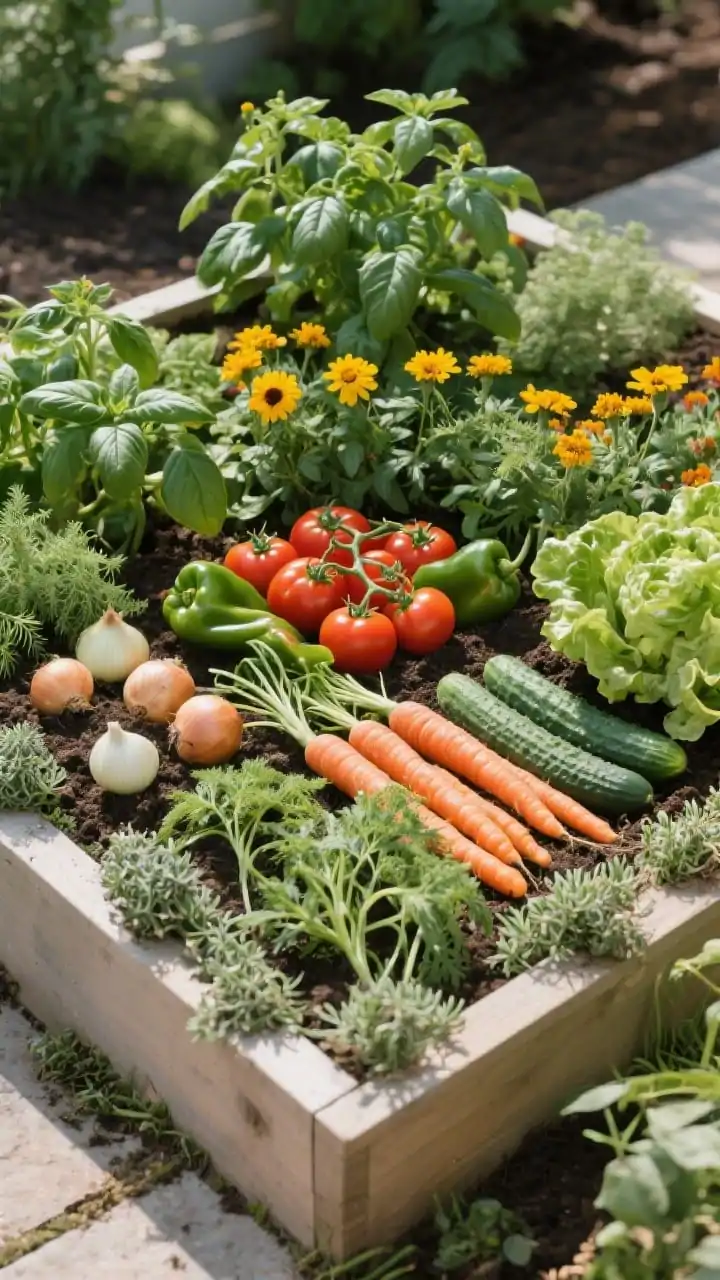
This layout is part science, part vibe. You’ll pair plants that help each other grow, fight pests, and taste better (yes, really). The bed looks lush and slightly wild in the best way.
Dynamic Duos
- Tomatoes + basil + marigolds: Better flavor, fewer pests, chef’s kiss energy.
- Carrots + onions: Onions deter carrot flies. Carrots don’t judge onion breath.
- Cucumbers + dill: Dill attracts beneficial insects that keep cucumber pests in check.
- Lettuce under tomatoes: Enjoy the shade during summer heat.
Layout Flow
- Anchor plants: Place tomatoes or peppers first (they’re the divas).
- Fill with allies: Tuck in basil, onions, and flowers around them.
- Edge smart: Plant low herbs like thyme or chives along borders for a neat frame.
Pro tip: Add nasturtiums as a sacrificial crop near cucumbers or squash. Aphids will go there first rude, but useful.
4. The Succession-Planting Calendar Bed (Always Something To Harvest)
As an Amazon Associate I earn from qualifying purchases.
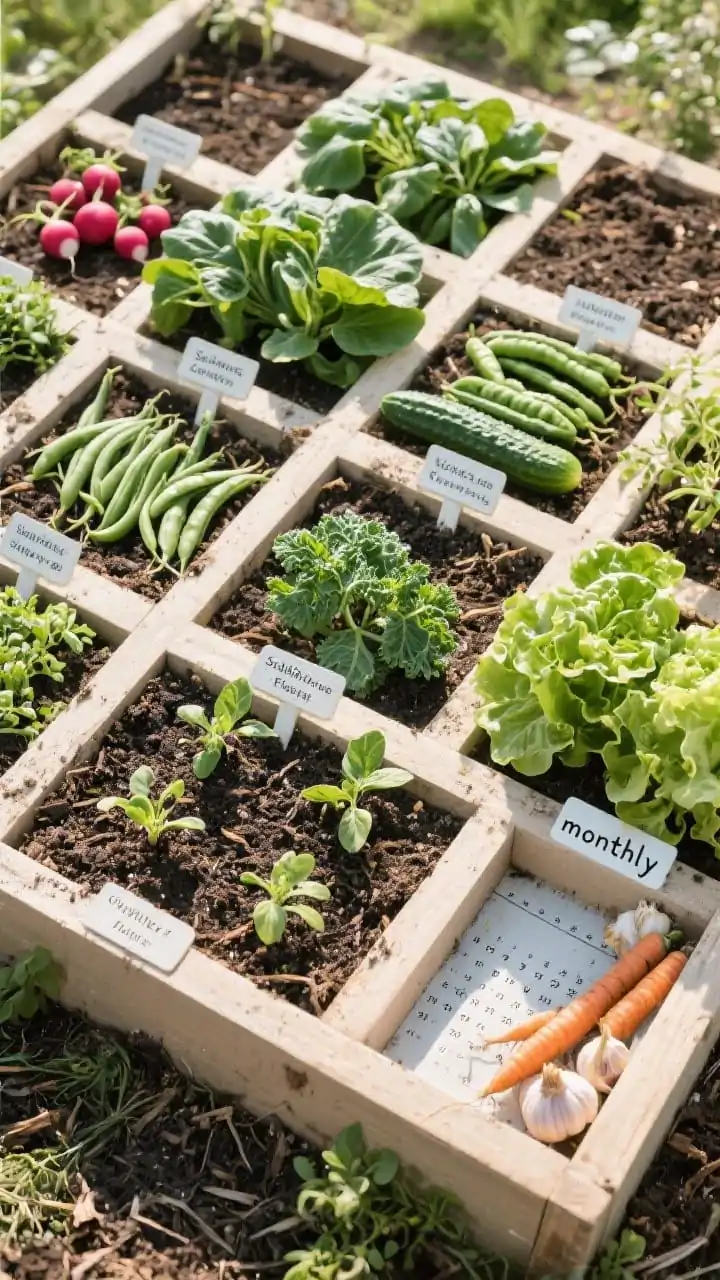
If you like a steady stream of produce versus a one-and-done dump, this one’s your jam. You’ll plan your bed like a mini schedule, swapping crops as seasons shift.
How To Work It
- Spring: Radishes, spinach, peas, and baby lettuce.
- Early Summer: Pull spent spring crops; slide in bush beans, basil, and cucumbers.
- Late Summer: Start fall seedlings (kale, carrots) in any open gaps.
- Fall: Plant garlic and overwintering onions where summer divas were.
Layout Tactics
- Reserve one square per month in a grid bed for quick crops like radishes.
- Stagger sowing: Plant lettuce every 2 weeks for a salad that never ghosts you.
- Mix days-to-maturity: Pair fast growers (arugula) with slowpokes (peppers) in the same bed.
Pro tip: Keep a small nursery tray on the side. When a square opens up, you’ve got seedlings ready to move in. Zero downtime = maximum smugness.
5. The Narrow Path, Wide Harvest U-Shape (Cozy And Efficient)
As an Amazon Associate I earn from qualifying purchases.
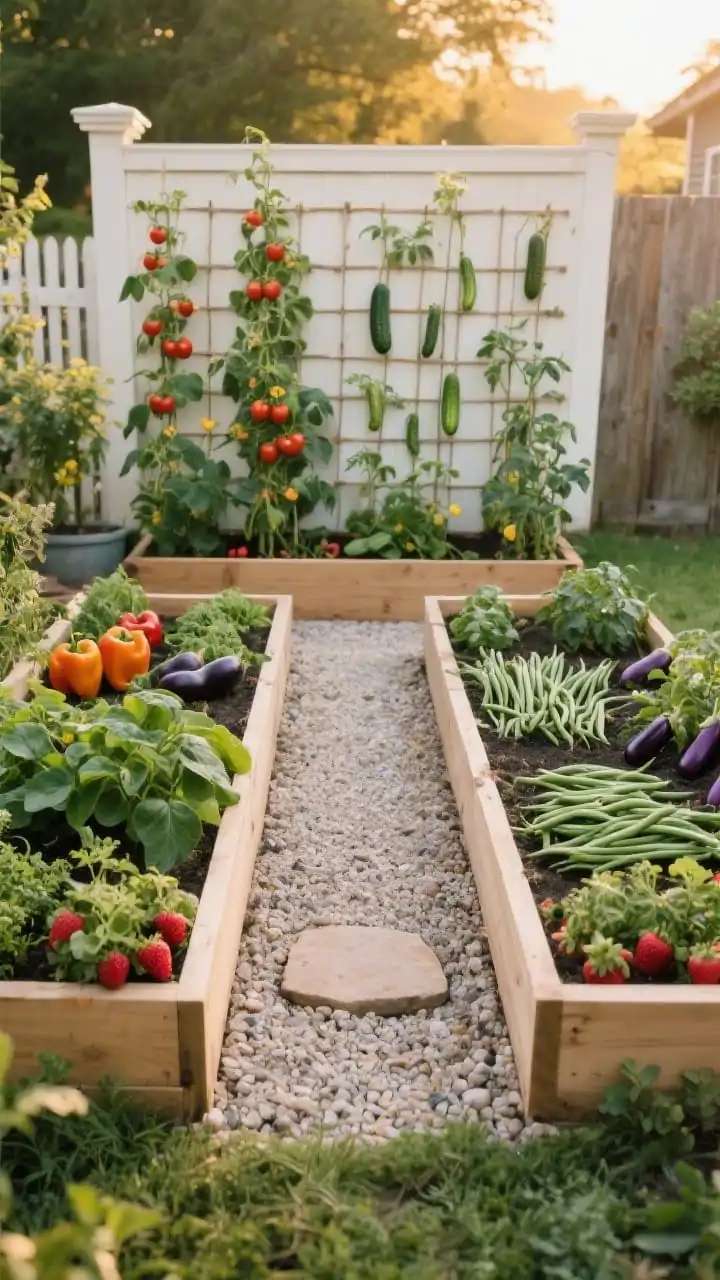
Got two or three small raised beds? Arrange them in a U or L shape with a single narrow path. You’ll reach everything without stepping into soil, and it feels like a tiny kitchen garden you could gatekeep (but won’t, right?).
Design Details
- Ideal bed width: 30–36 inches so you can reach the middle from both sides.
- Path width: 18–24 inches cozy but passable with a watering can.
- Bed height: 10–18 inches for roots; 24 inches if you want back-friendly luxury.
What Goes Where
- Back of the U (north): Tall trellised crops (tomatoes, beans, cucumbers).
- Side arms: Medium plants (peppers, eggplant, bush beans).
- Front edges: Cut-and-come-again greens, strawberries, and compact herbs.
Pro tip: Line paths with mulch or gravel to keep things tidy and reflect heat. Add a stepping stone in the center for instant “cottage-core but organized” energy.
6. The Balcony Bounty Cart (Mobile Micro-Farm)
As an Amazon Associate I earn from qualifying purchases.
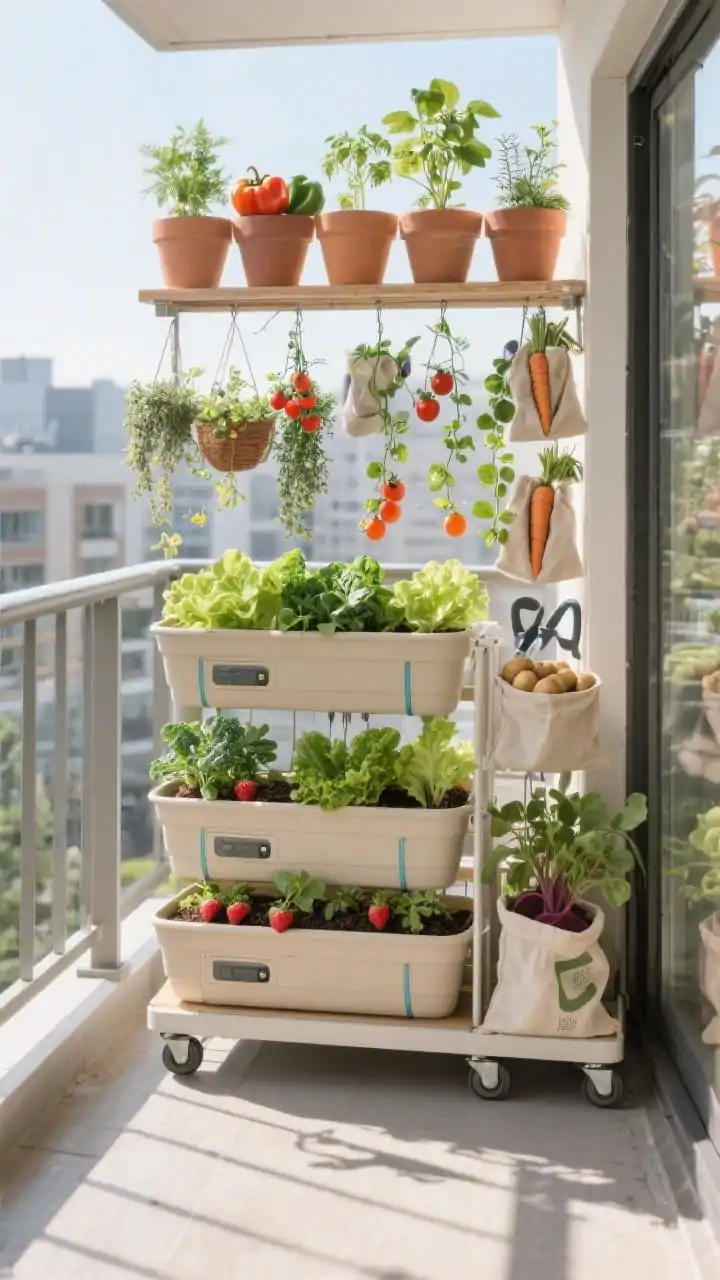
Apartment crew, this one’s for you. Use rolling trough planters, stacking containers, and a slim baker’s rack to build a portable garden you can chase sun with. It’s like Tetris, but edible.
Container Game Plan
- Deep pots (5+ gallons): Tomatoes, peppers, dwarf eggplant.
- Window boxes: Lettuce, arugula, baby kale, strawberries.
- Grow bags: Potatoes, carrots, beets great drainage and easy to stash.
- Hanging baskets: Trailing cherry tomatoes, thyme, nasturtiums.
Layout For Light And Access
- Tallest containers to the back or railing so they don’t shade the squad.
- Group by water needs: Thirsty greens together; drought-tolerant herbs together (save your wrists).
- Use a rolling cart: Top shelf for sun-lovers, middle for herbs, bottom for tools and soil bags.
Pro tip: Add a self-watering reservoir insert to key containers. On hot weeks, it’s the difference between salad and sadness. IMO, drip lines with a timer are worth it game changer.
Soil, Sun, And Sanity: Quick Essentials
- Soil mix: For raised beds, go 1/3 compost, 1/3 peat or coco coir, 1/3 coarse perlite or pine fines. For containers, choose high-quality potting mix (not garden soil).
- Sun math: Most veggies want 6–8 hours. Leafy greens forgive partial shade; fruiting crops do not.
- Watering rhythm: Aim for deep, consistent moisture. Mulch 1–2 inches to reduce evaporation and drama.
- Fertilizer: Slow-release organic at planting; supplement with liquid seaweed or fish emulsion every 2–3 weeks during peak growth.
Final vibe check: Start with what you’ll actually eat. If you don’t love kale now, more kale won’t fix that. Grow salsa, salad, or stir-fry kits you’ll use on repeat.
You don’t need acres to impress your inner farmer just a smart layout and a little follow-through. Pick one idea, plant it this weekend, and let your tiny garden flex. Your future self (and your dinner) will thank you.
Leave a Reply