Carved pottery is having a serious moment, and honestly, it deserves every bit of the spotlight. Whether you’re a seasoned clay artist or someone who just bought their first sculpting tool, these ideas will make your hands itch to create something beautiful. Let’s dive in.
1. Geometric Patterns for That Modern Edge
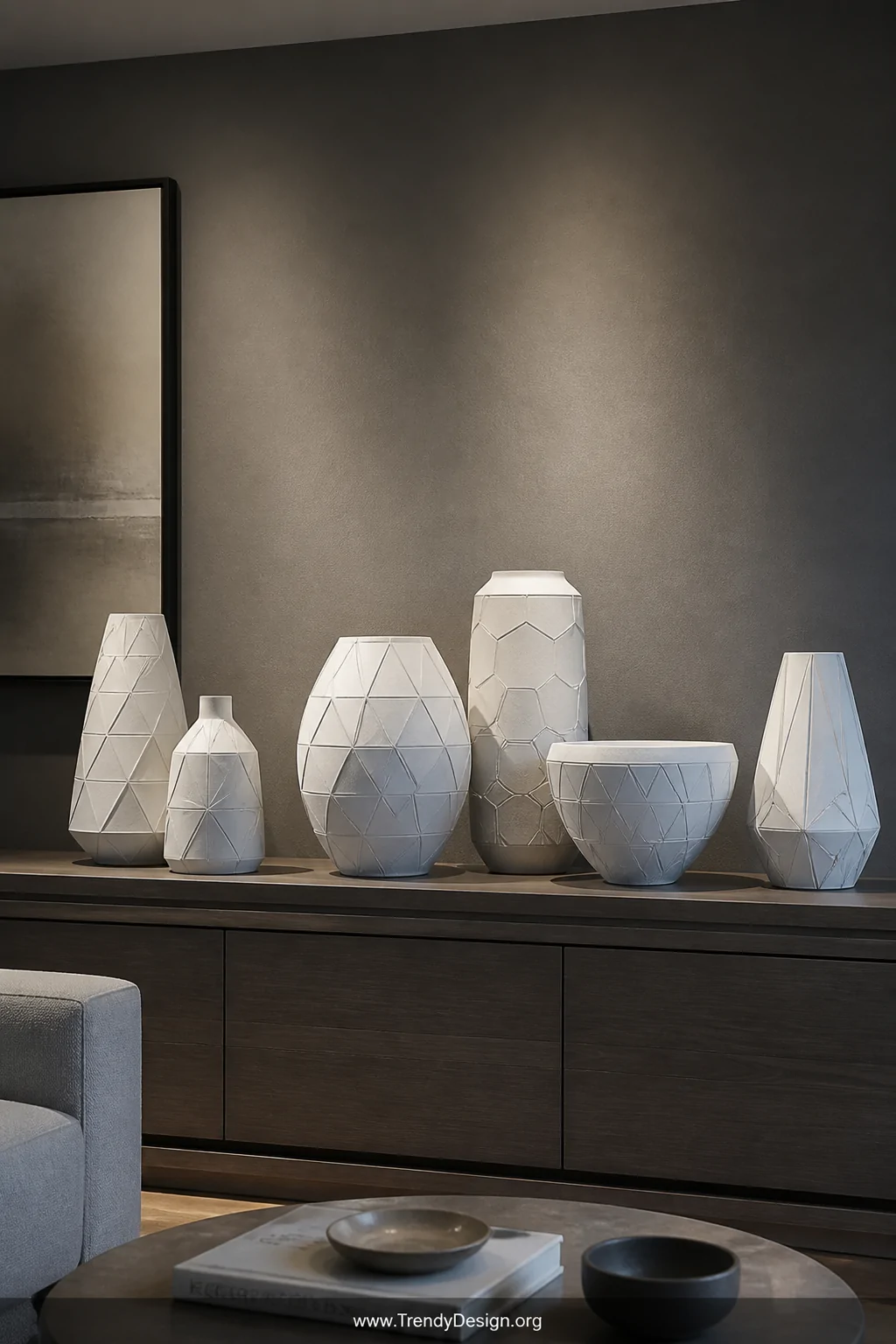
Geometric carved pottery is the design world’s answer to “how do I look sophisticated without trying too hard?” Clean lines, sharp angles, and repeating shapes carved into clay create a striking visual rhythm that works in any modern home.
Start with simple triangles or hexagons before moving to complex tessellations. Use a loop tool or a pointed stylus to carve when the clay is leather-hard that sweet spot where it holds its shape but still accepts a clean cut.
- Practice your pattern on paper first
- Use a ruler or stencil for crisp lines
- Try negative space what you don’t carve matters as much as what you do
2. Floral Carvings That Bring the Garden Inside
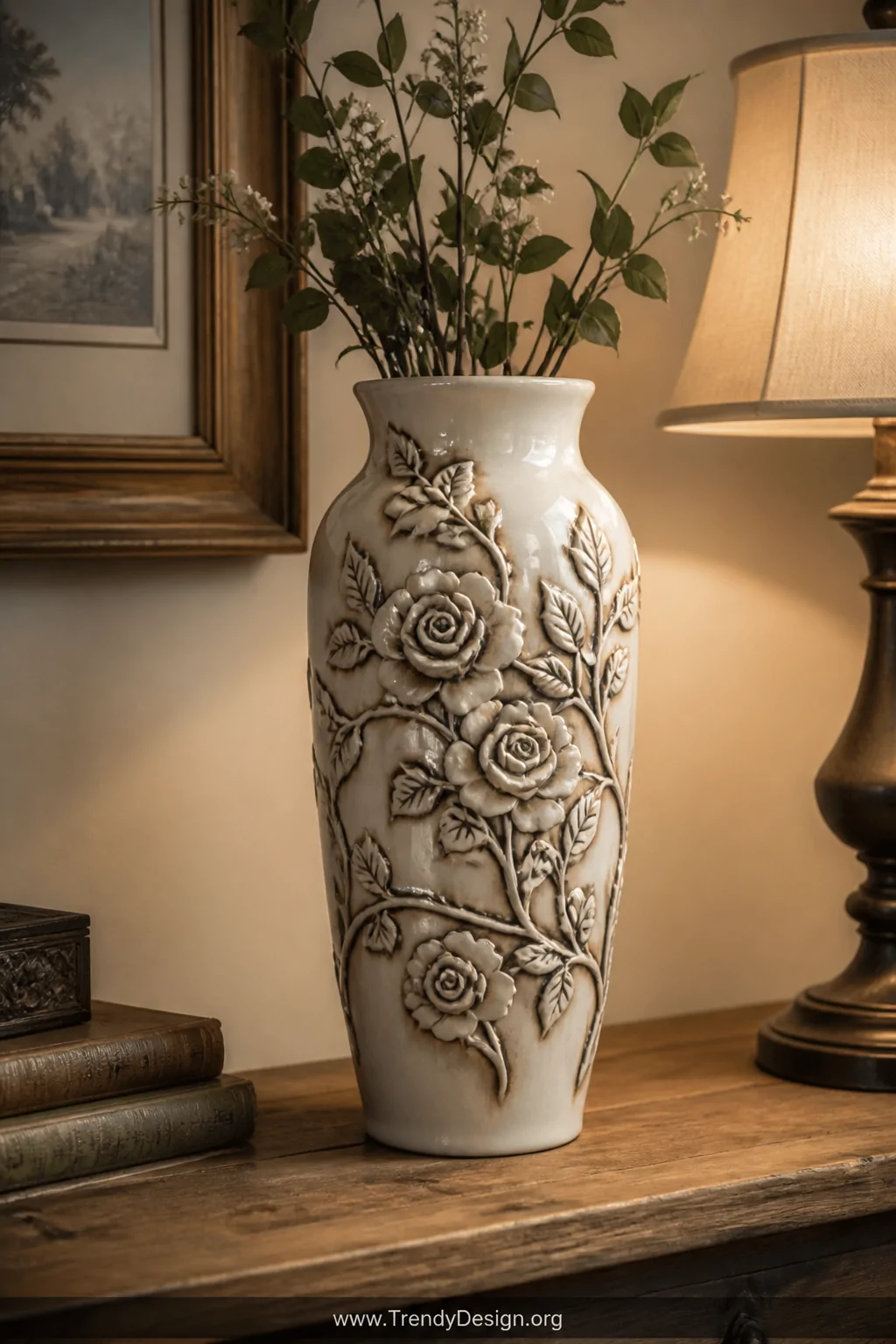
There is something deeply satisfying about carving a blooming rose or a wild daisy into the surface of a handmade vase. Floral carved pottery has been around for centuries, and it never gets old because nature never gets old.
Think layered petals, trailing vines, and leaves with realistic veining. You don’t need to be a botanical illustrator to pull this off. Start with simple five-petal flowers and build your confidence from there.
The trick is varying your carving depth. Shallow cuts create subtle texture, while deeper carves create dramatic shadows that really pop after glazing.
3. Ocean-Inspired Wave Textures
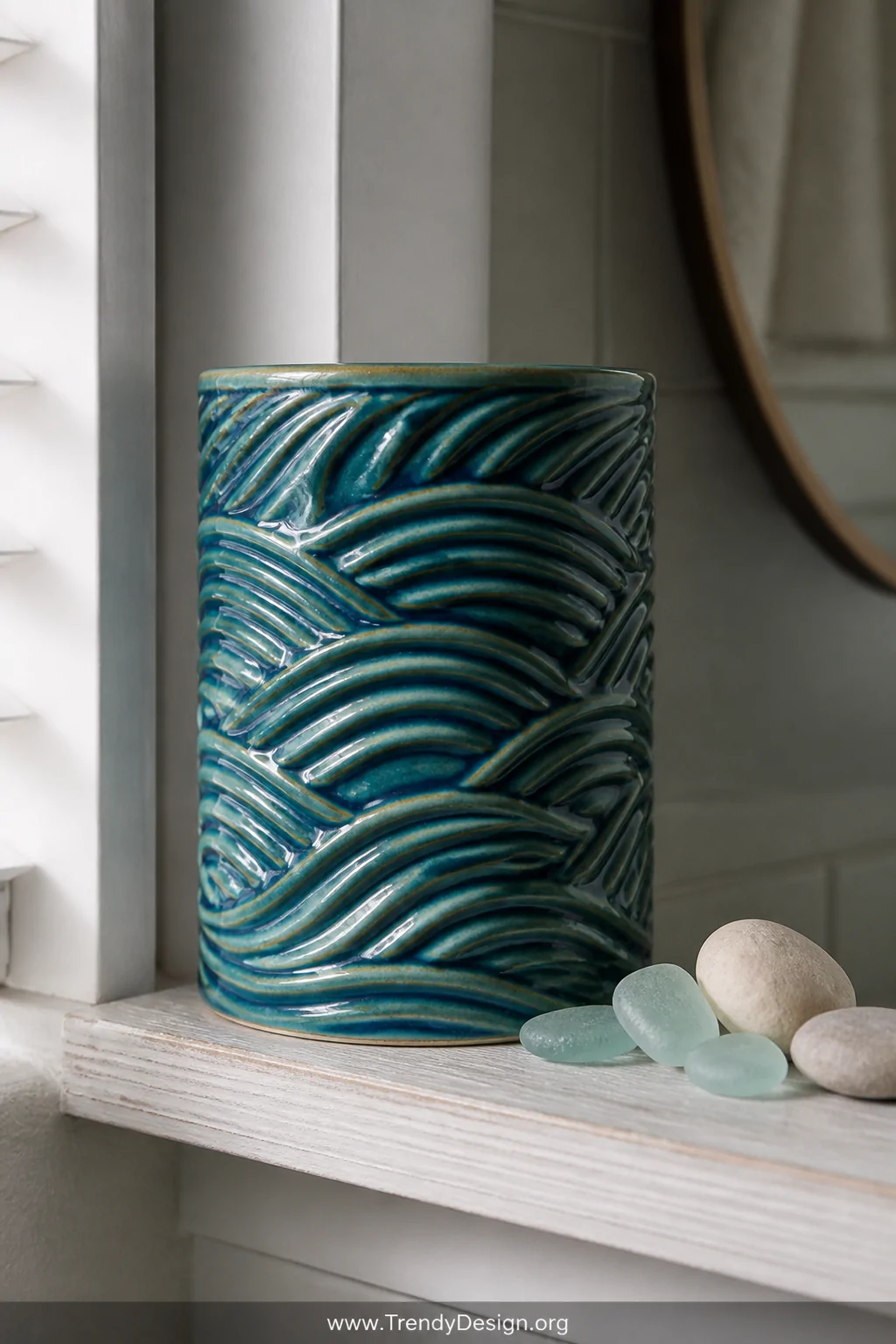
Wave-carved pottery captures movement frozen in time and it looks absolutely stunning on a shelf. Flowing, overlapping curves mimic the rhythm of the ocean and give your piece an effortless, meditative quality.
Use a ribbon tool to carve smooth, continuous arcs around a cylinder or bowl. The key is keeping your hand relaxed and letting the curve flow naturally rather than forcing rigid strokes.
- Work on a slowly rotating wheel for even wave patterns
- Combine wide shallow waves with thin tight ripples for depth
- A blue or teal glaze on wave carvings? Chef’s kiss.
This style pairs beautifully with bathroom decor or coastal-themed living spaces. Your guests will genuinely think you bought it from an expensive boutique.
4. Abstract Expressionist Carving
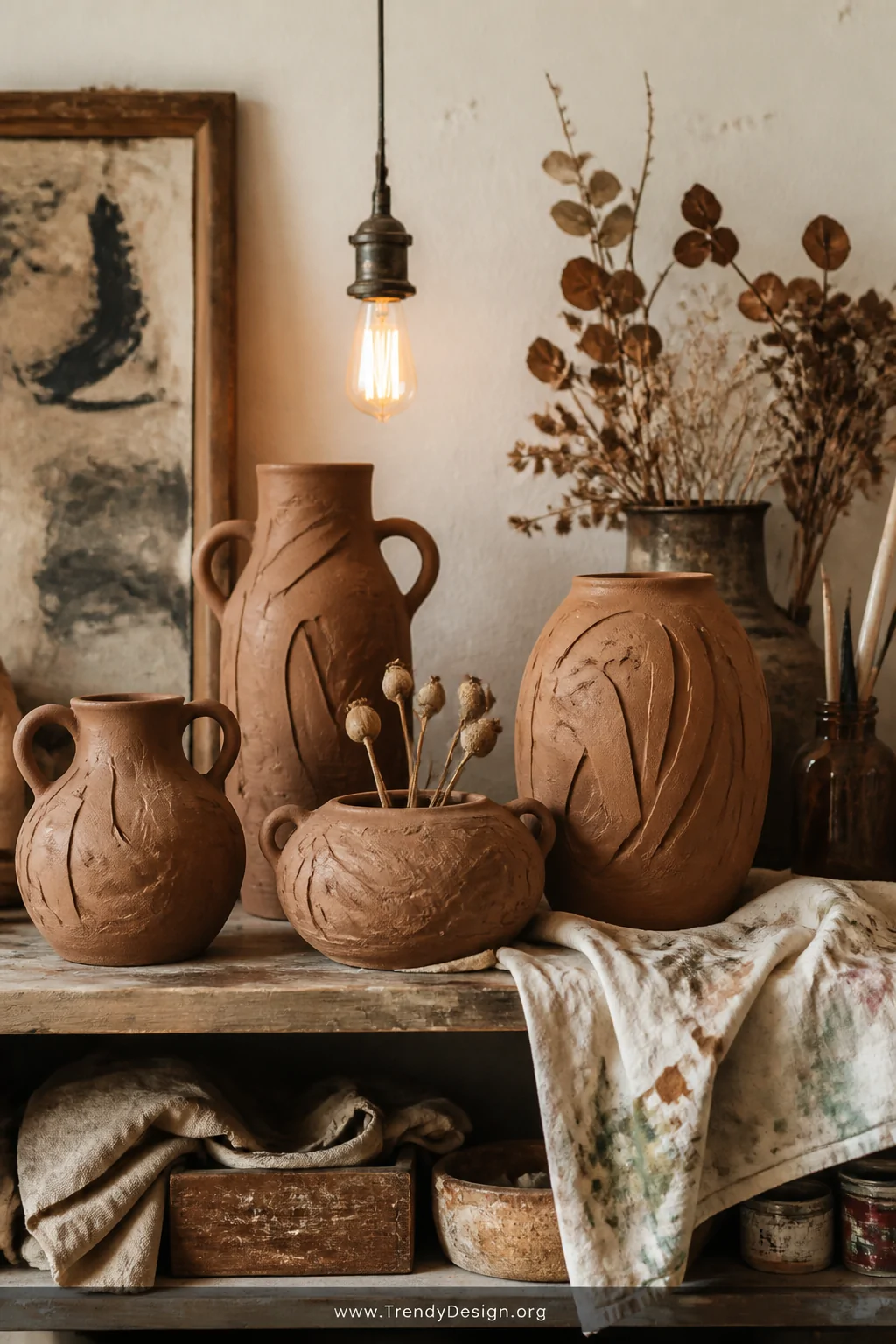
Who said pottery had to follow rules? Abstract carved pottery designs are your permission slip to throw the rulebook out the window and just feel it. Random slashes, organic swooshes, and unexpected textures create pieces that are completely one-of-a-kind.
This style is perfect for beginners because there’s no wrong answer. Grab a variety of tools wire loops, wooden skewers, even old forks and experiment freely on a practice piece first.
IMO, abstract carved pieces actually look more impressive than precise geometric work because they carry raw, authentic energy. They tell a story without needing a caption.
5. Celtic Knotwork for Timeless Elegance
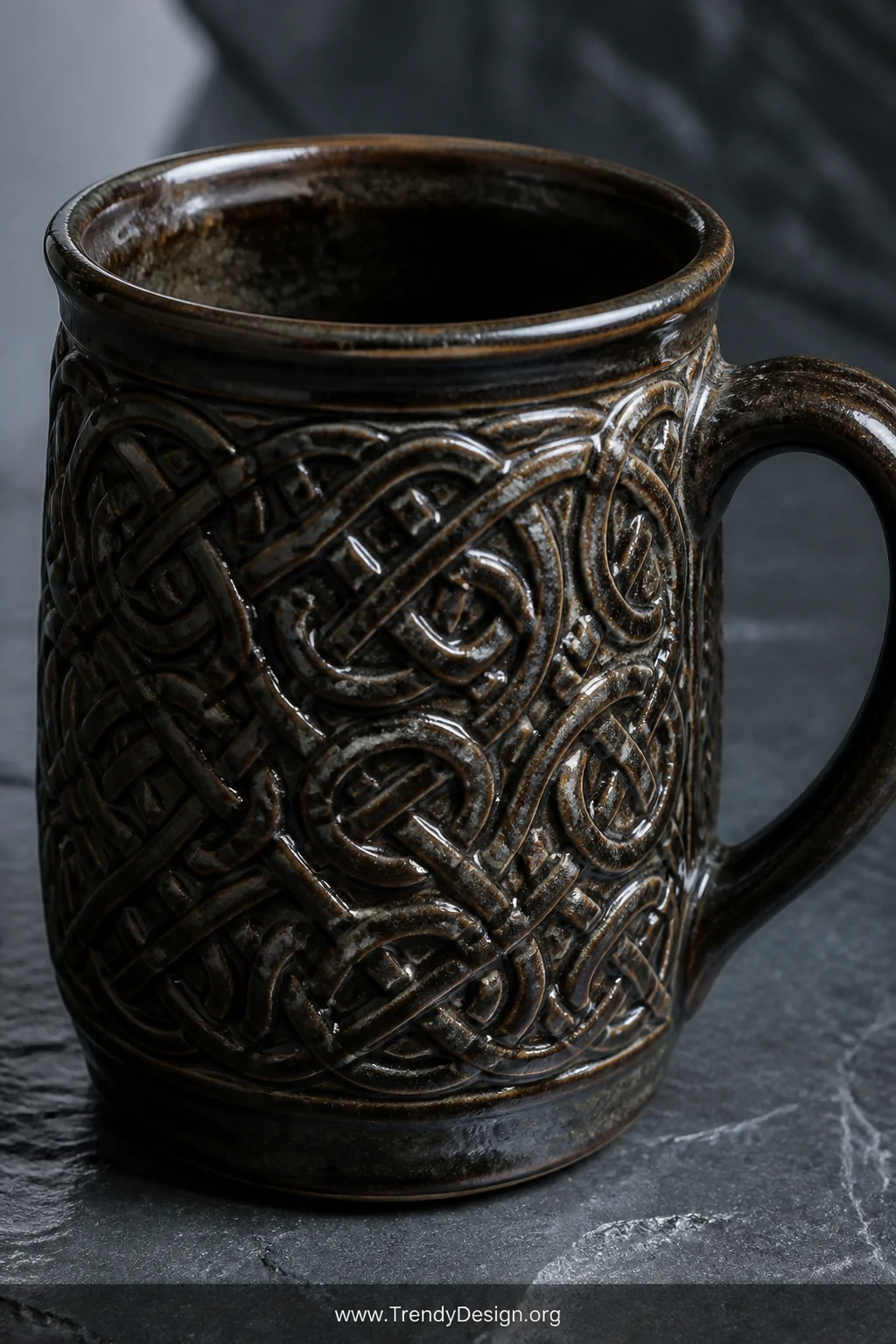
Celtic knotwork on pottery is one of those ideas that sounds intimidating but rewards the patient artist enormously. These interlacing, never-ending patterns have a meditative quality both to create and to admire.
Start by sketching your knotwork design directly onto the leather-hard clay surface with a pencil or stylus. Then carefully carve along your lines, keeping consistent depth throughout.
- Print a Celtic knot reference image to work from
- Use a fine-tipped carving tool for intricate crossings
- A dark glaze inside the carved lines creates beautiful contrast
- Celtic carved pottery makes incredible personalized gifts
6. Text and Lettering Carved Into Clay
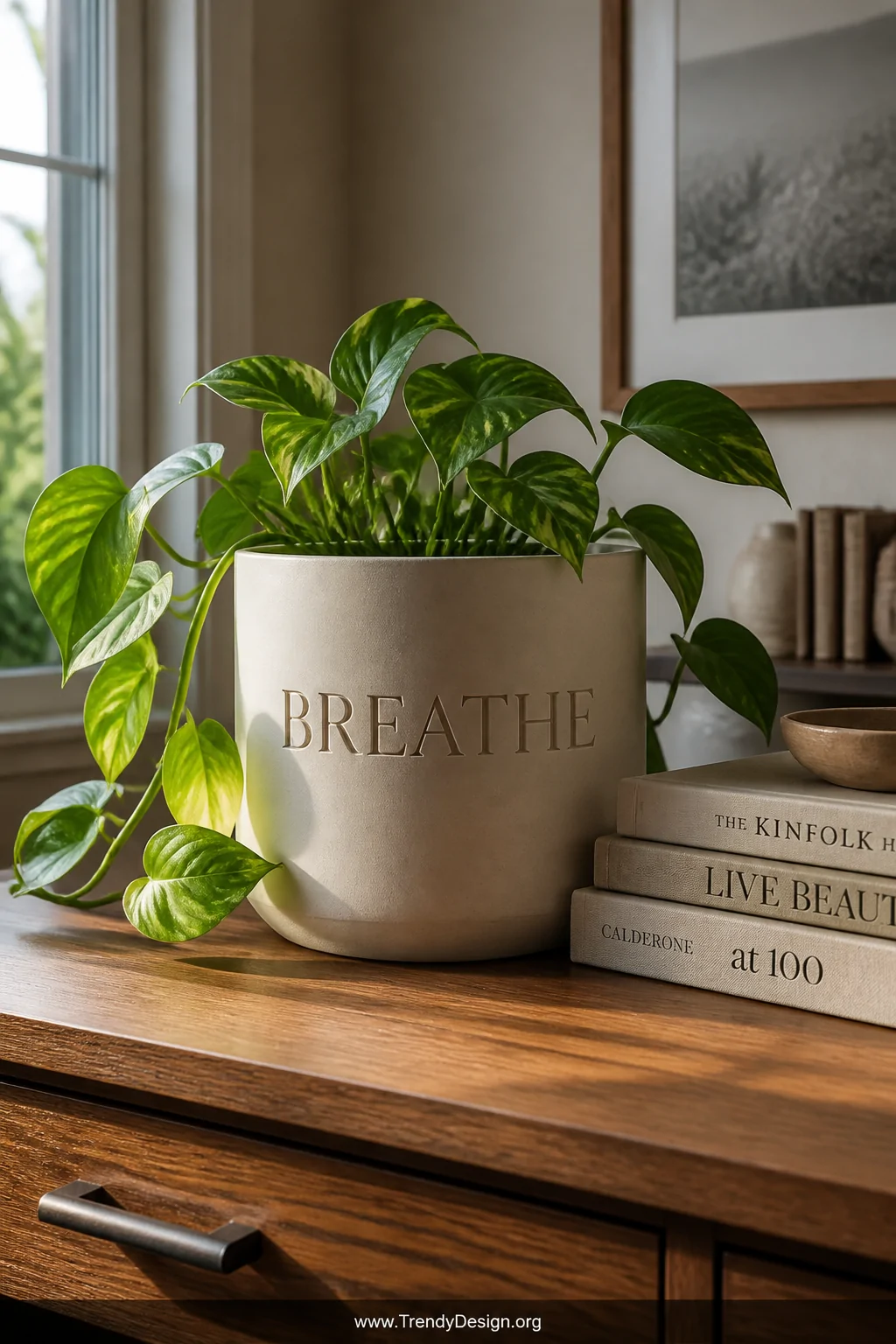
Words carved into pottery carry serious weight literally and emotionally. A favorite quote, a family name, or even a single meaningful word etched into a handmade mug or planter creates something truly personal and lasting.
Use a ballpoint pen to lightly trace your lettering onto the clay surface before committing with a carving tool. Serif fonts with thick and thin strokes are particularly stunning when carved because they naturally create varied line depths.
FYI, carving text in reverse on the inside of a mold lets you create raised lettering on the outside a totally different, equally beautiful effect worth experimenting with.
Quick Lettering Tips
- Keep letters evenly spaced using a ruler guide
- Script-style lettering flows more naturally than block print
- Practice on clay scraps before touching your final piece
7. Animal and Nature Silhouettes
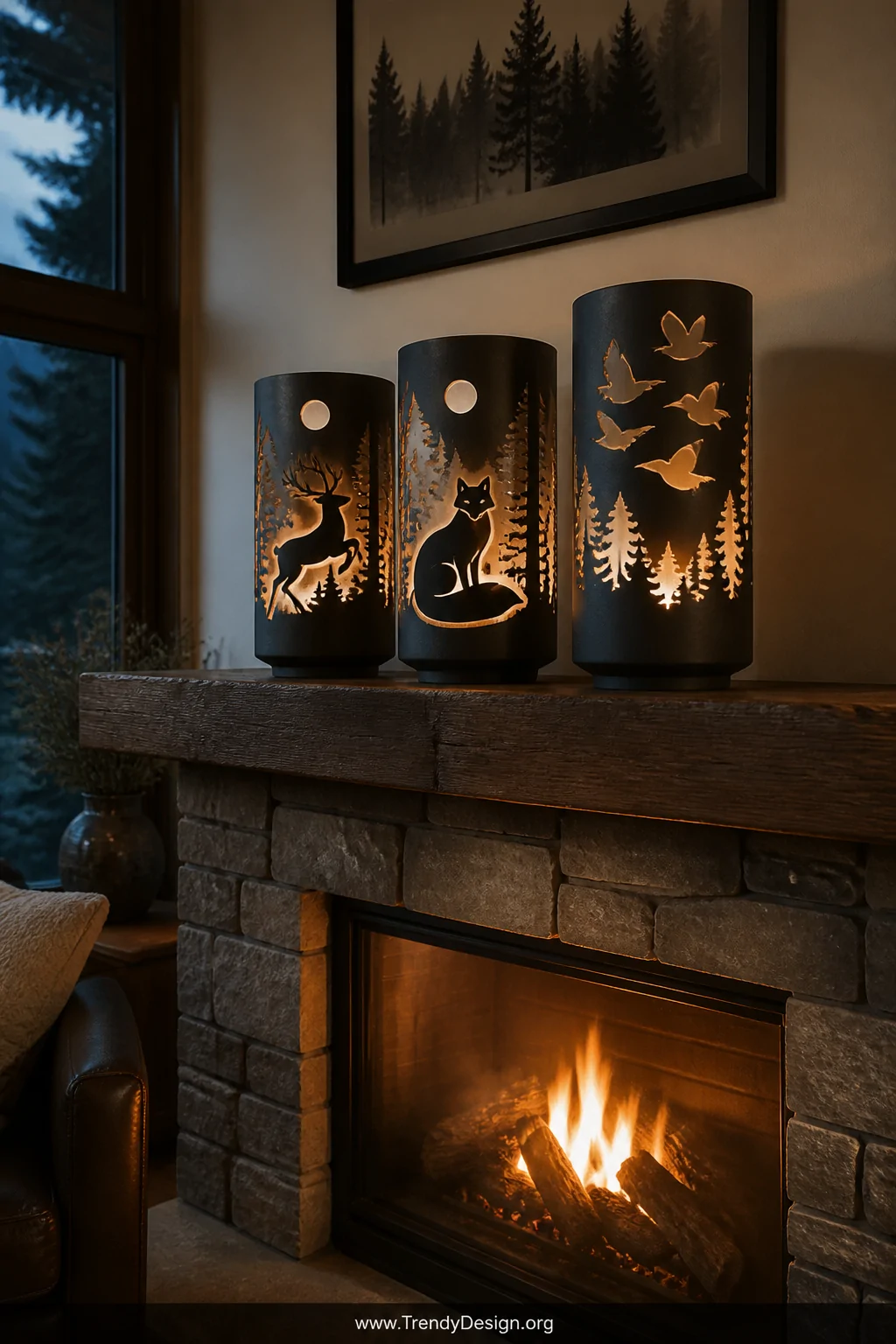
Carving animal silhouettes into pottery combines the ancient art of storytelling with modern decorative style. A deer mid-leap, a fox curled into a circle, or a flock of birds taking flight these images feel timeless on a handmade ceramic piece.
The silhouette approach keeps the design bold and readable even at small scales. Carve the outline first, then remove clay from inside the shape to create a recessed figure that catches light beautifully after firing.
Nature-themed carved pottery sells exceptionally well at craft markets too, just saying the demand is real and the appreciation is instant.
- Use stencils to transfer clean animal shapes onto clay
- Mountain, forest, and woodland scenes work especially well on large cylinders
- Try a moonlit scene for a dramatic, moody aesthetic
8. Sgraffito Technique for Layered Color Drama
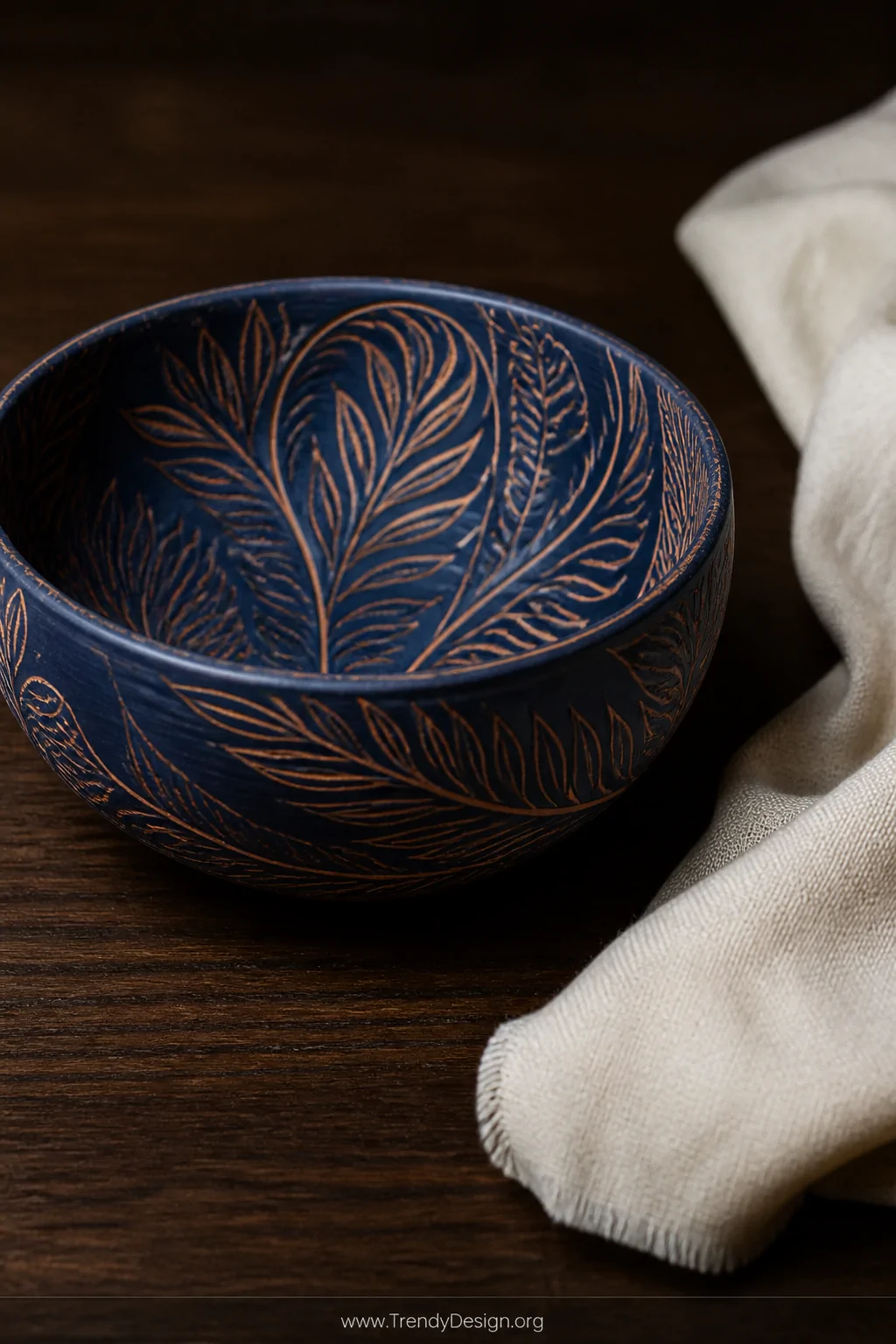
Sgraffito might sound fancy, but it’s basically the most fun you can have with a carving tool and colored slip. You apply a contrasting slip color over your base clay, let it dry to leather-hard, then carve through the top layer to reveal the clay color underneath.
The results are jaw-dropping. Imagine a deep navy blue slip with warm terracotta carved designs peeking through or stark white over rich red earthenware. The color contrast makes every carved line pop with incredible clarity.
This technique is one of the most dramatic forms of creative carved pottery because you’re essentially painting and sculpting at the same time. Once you try sgraffito, you won’t want to stop.
- Apply slip generously and evenly for the best results
- Carve when slip is dry but clay beneath is still leather-hard
- Fine detail work shines with this method hair-thin lines are achievable
9. Tribal and Cultural Pattern Inspiration
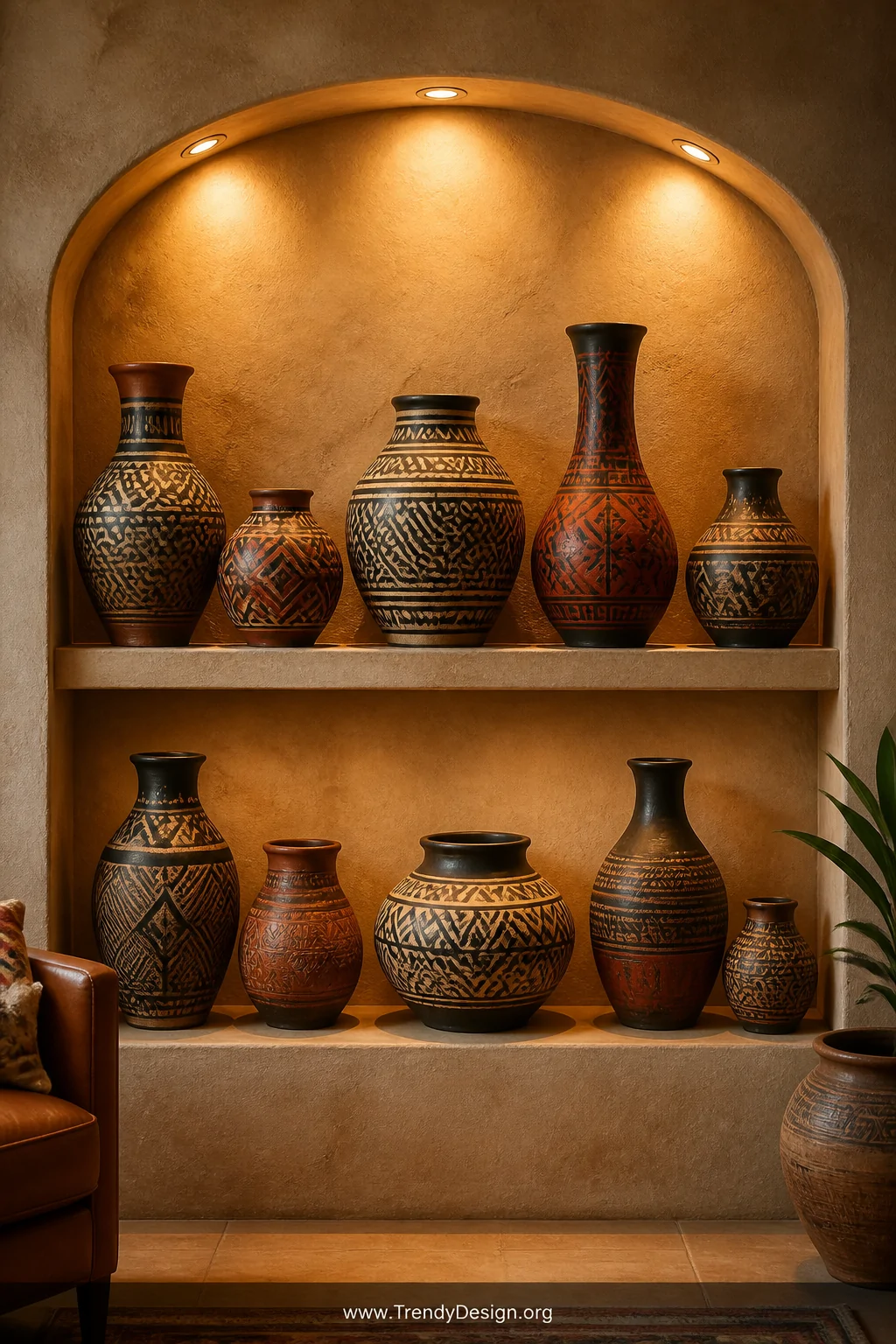
Drawing inspiration from global pottery traditions gives your work depth, meaning, and incredible visual richness. Indigenous patterns from African, Native American, Japanese, and Scandinavian traditions have informed ceramic design for thousands of years.
Research specific traditions that resonate with you personally. Approach this inspiration with genuine respect and curiosity learn the stories behind the patterns rather than just borrowing aesthetics blindly. Your work will be more meaningful and more authentically beautiful for it.
Geometric tribal motifs, repeated symbols, and bold border patterns translate incredibly well into carved pottery work. They create pieces that feel both ancient and completely contemporary at the same time.
- Visit museum collections for authentic reference material
- Combine traditional motifs with your own personal symbols
- Document your inspiration sources it makes great conversation around your work
Your home gallery of carved pottery pieces will tell a global story that sparks conversation every single time someone visits.
Go Make Something Beautiful
You now have nine genuinely exciting directions to take your carved pottery practice from geometric precision to expressive sgraffito drama. Pick the one that made your heart beat a little faster and start there today. Clay is forgiving, experimenting is free, and the only bad piece of pottery is the one you never made.
“`
Leave a Reply