If you’ve been scrolling through garden inspiration photos and keep stopping at those sleek, modern planters, you’re not alone. Concrete raised garden beds have taken the gardening world by storm, and honestly, it’s not hard to see why. They’re durable, gorgeous, and they make even a modest backyard look like it belongs on a design magazine cover.
Whether you’re a seasoned green thumb or someone who just killed their third succulent (no judgment), concrete raised garden beds offer a stylish and practical way to grow herbs, vegetables, flowers, and more. Let’s dig into nine seriously inspiring ideas that’ll have you reaching for your trowel before you finish reading.
1. The Classic Rectangular Concrete Block Raised Bed
As an Amazon Associate I earn from qualifying purchases.
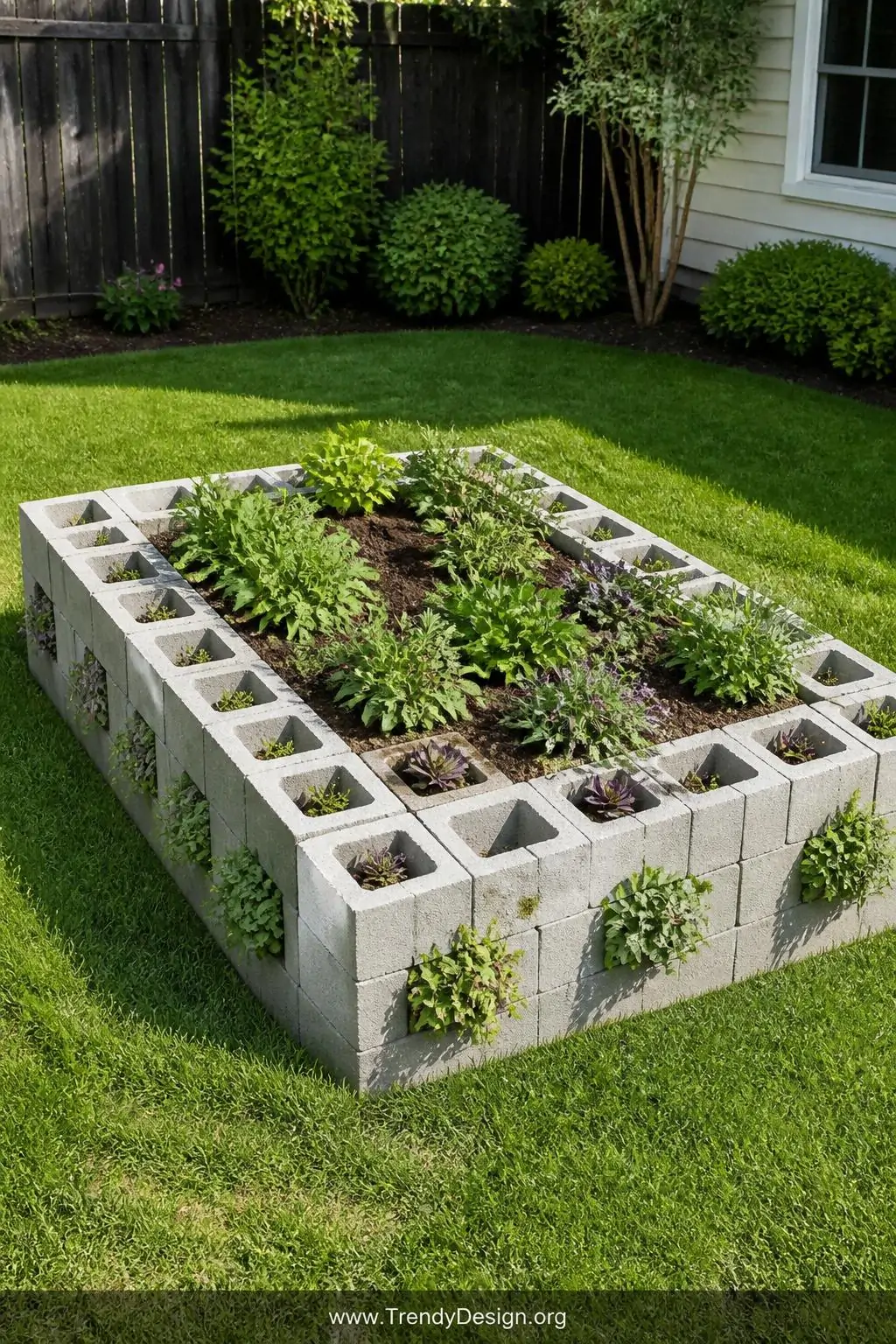
Sometimes the classics exist for a reason. Rectangular concrete block raised beds use standard cinder blocks or poured concrete forms to create clean, straight-lined planters that fit naturally into almost any yard layout. They’re the little black dress of garden design — timeless, versatile, and always appropriate.
The best part? You can stack those blocks two or three layers high without any special equipment or contractor experience. This gives your plants deeper root space, which vegetables like tomatoes and carrots absolutely love.
- Standard cinder blocks are budget-friendly and widely available
- The hollow openings in blocks can hold small herbs or succulents
- No mortar required for a simple stacked design
- Easy to disassemble and reconfigure later
2. Smooth Poured Concrete Raised Planter With Rounded Corners
As an Amazon Associate I earn from qualifying purchases.
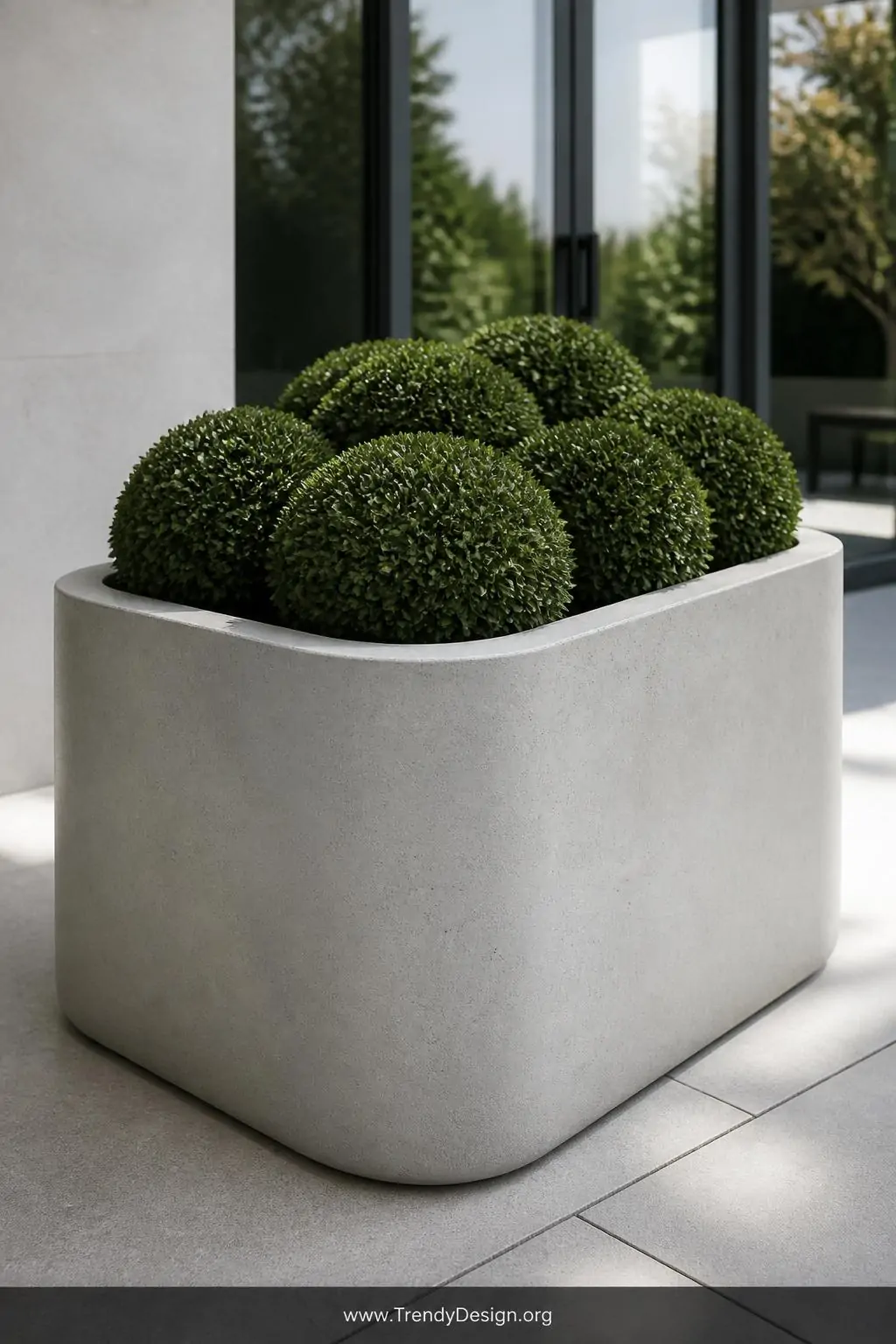
Poured concrete planters with rounded corners bring a softer, more sculptural look to your outdoor space. Instead of that industrial blocky feel, these beds use custom-formed concrete that’s been shaped into gentle curves before it sets. The result is something that looks like it was designed by an architect rather than assembled on a Sunday afternoon.
IMO, this style works best in modern or minimalist gardens where clean aesthetics matter. Pair them with ornamental grasses or structured boxwood plants and watch your neighbors start asking questions about your landscaper.
Tips for Achieving That Smooth Finish
- Use a high-quality concrete mix with a fine aggregate
- Sand the cured surface with 80-grit sandpaper for extra smoothness
- Apply a concrete sealer to protect against moisture and staining
- Consider adding a concrete dye for a pop of color
3. Tiered Concrete Raised Garden Bed for Sloped Yards
As an Amazon Associate I earn from qualifying purchases.
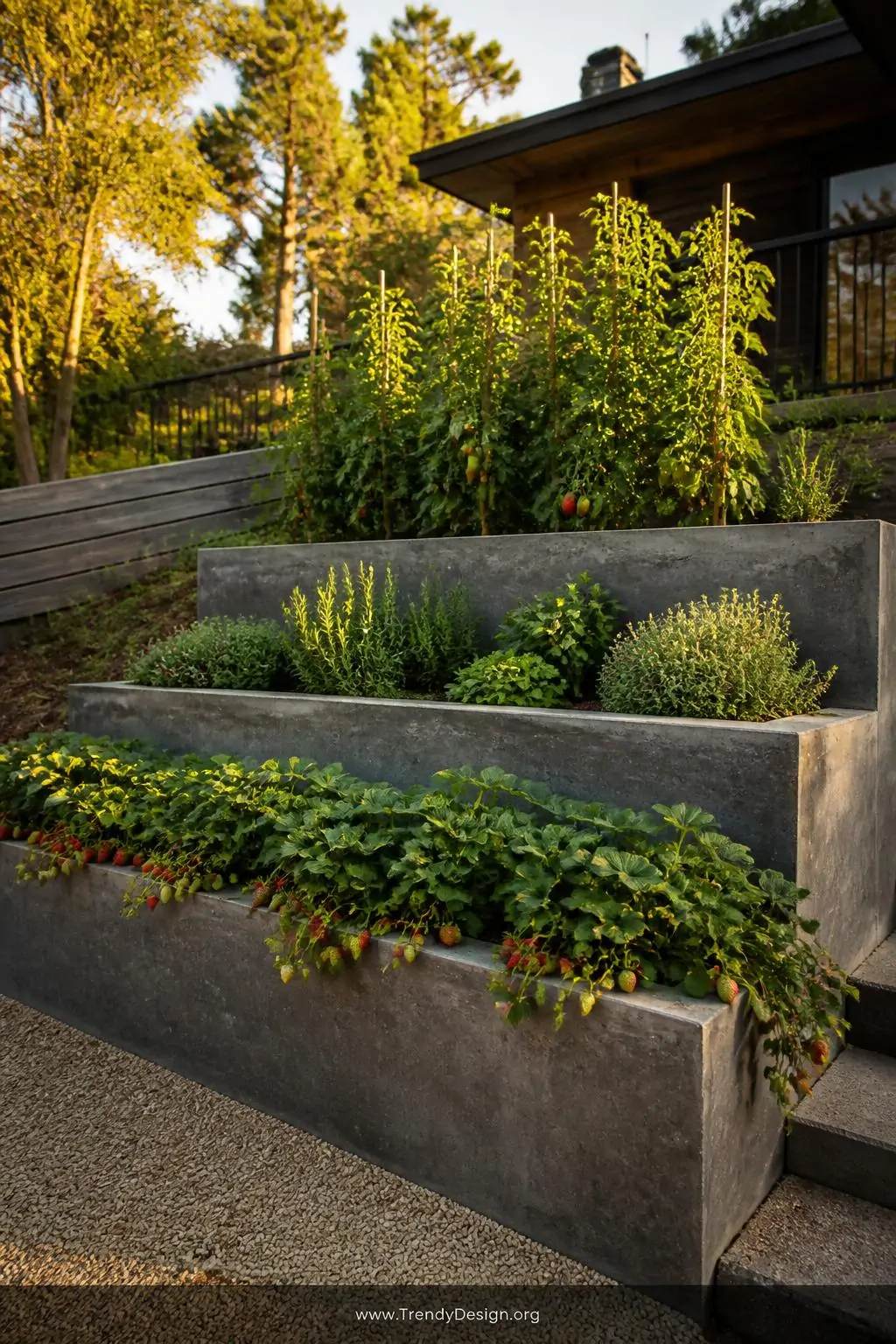
Got a yard that slopes more than your aunt’s opinions at Thanksgiving dinner? A tiered concrete raised garden bed is your best friend. These stepped structures use poured or stacked concrete walls to create multiple growing levels that follow the natural contour of your land. Instead of fighting your slope, you’re literally building with it.
Each tier can grow something different, giving you incredible visual interest while maximizing planting space. Think strawberries cascading over the front edge, herbs in the middle, and tall tomato plants anchoring the back tier. It’s basically a garden lasagna, and we are very much here for it.
4. Concrete Raised Bed With Built-In Bench Seating
As an Amazon Associate I earn from qualifying purchases.
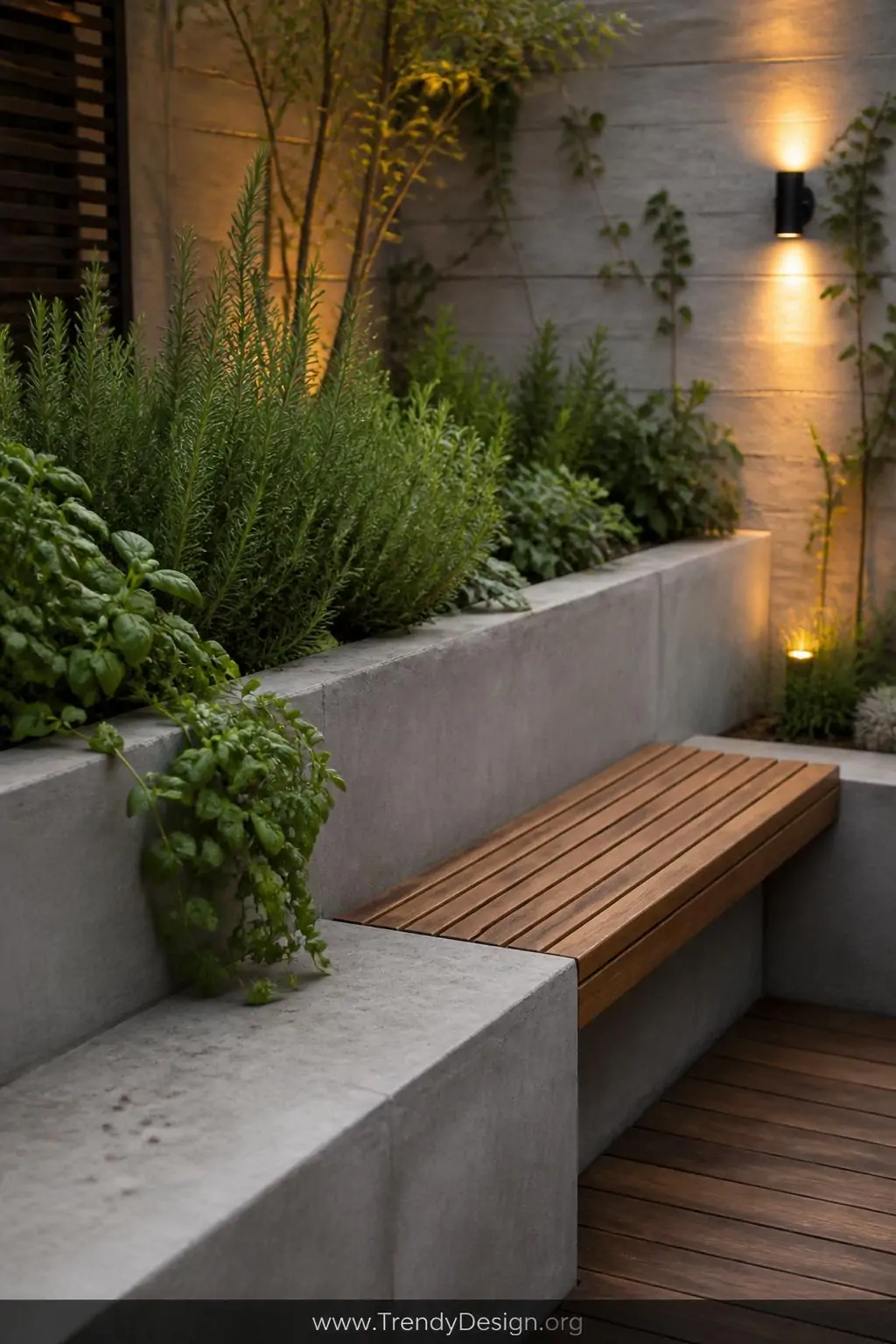
Here’s where function meets fabulous. A concrete raised garden bed with an integrated bench gives you a planting area and a sitting area in one sleek structure. The bench is typically formed from the same concrete pour or block system as the bed walls, creating a unified look that feels intentional and polished.
This design is especially brilliant for smaller patios or courtyards where you need every square foot to do double duty. You can sit right beside your herb garden while you’re cooking and just reach over to snip some fresh rosemary. Functional design at its absolute finest.
- Add a wooden slat top to the bench portion for comfort
- Build at a comfortable sitting height of 17 to 19 inches
- Use the bench area to store garden tools underneath
- Seal the bench surface to protect against weather and staining
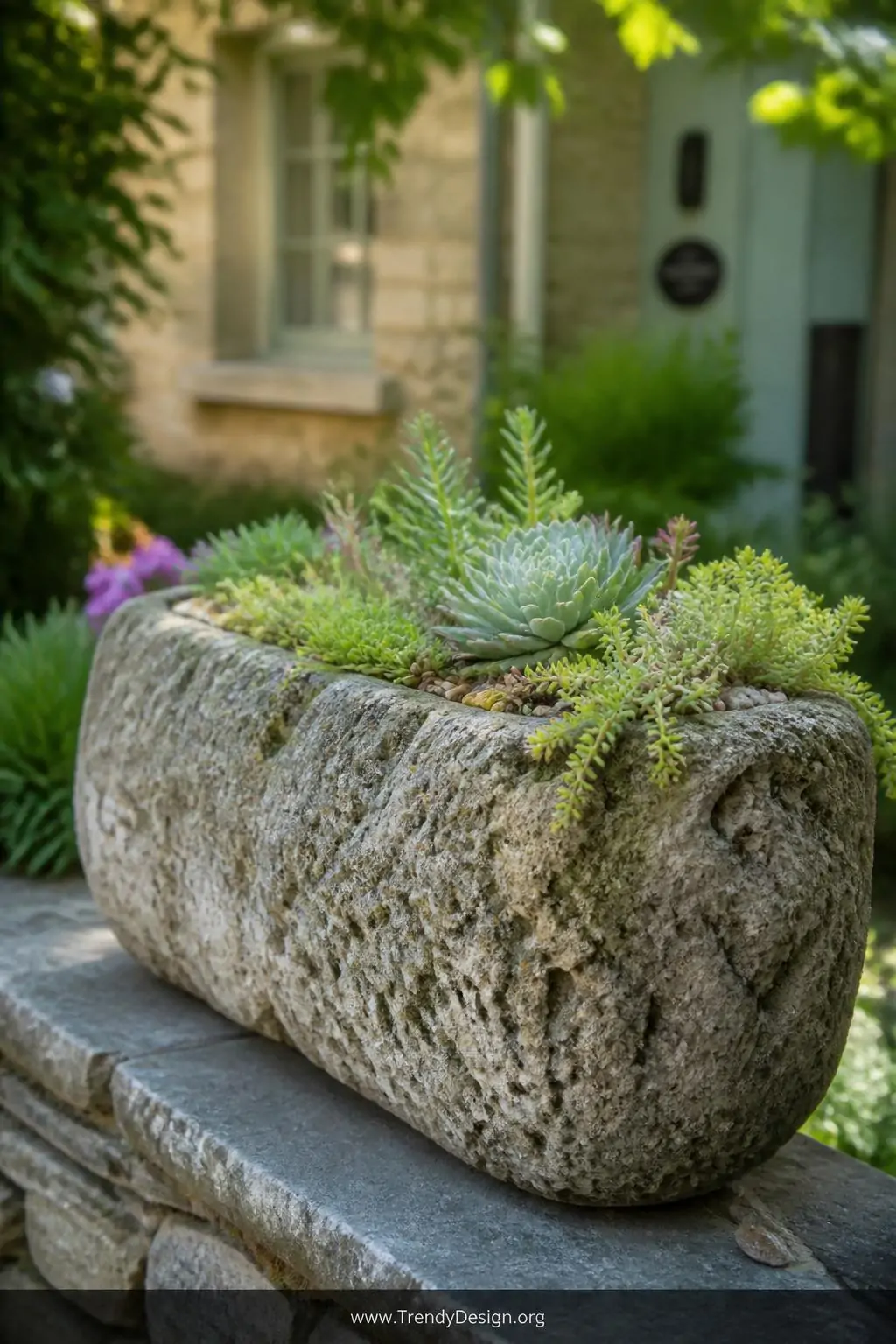
5. Hypertufa Concrete Raised Bed With a Rustic Texture
As an Amazon Associate I earn from qualifying purchases.
Hypertufa concrete planters are the fun, crafty cousin of regular concrete beds. Hypertufa is a DIY-friendly mixture of Portland cement, perlite, and peat moss that creates a lightweight, naturally textured container that looks like aged stone. The surface comes out beautifully rough and organic, which is a total contrast to the smooth poured styles.
FYI, hypertufa is significantly lighter than solid concrete, making it much easier to move around your garden as your design ideas evolve. It’s also fantastic for alpine plants and succulents that prefer excellent drainage and that rugged, rocky aesthetic.
Basic Hypertufa Recipe
- 1 part Portland cement
- 1.5 parts perlite or vermiculite
- 1.5 parts peat moss or coco coir
- Water added gradually until the mix holds its shape
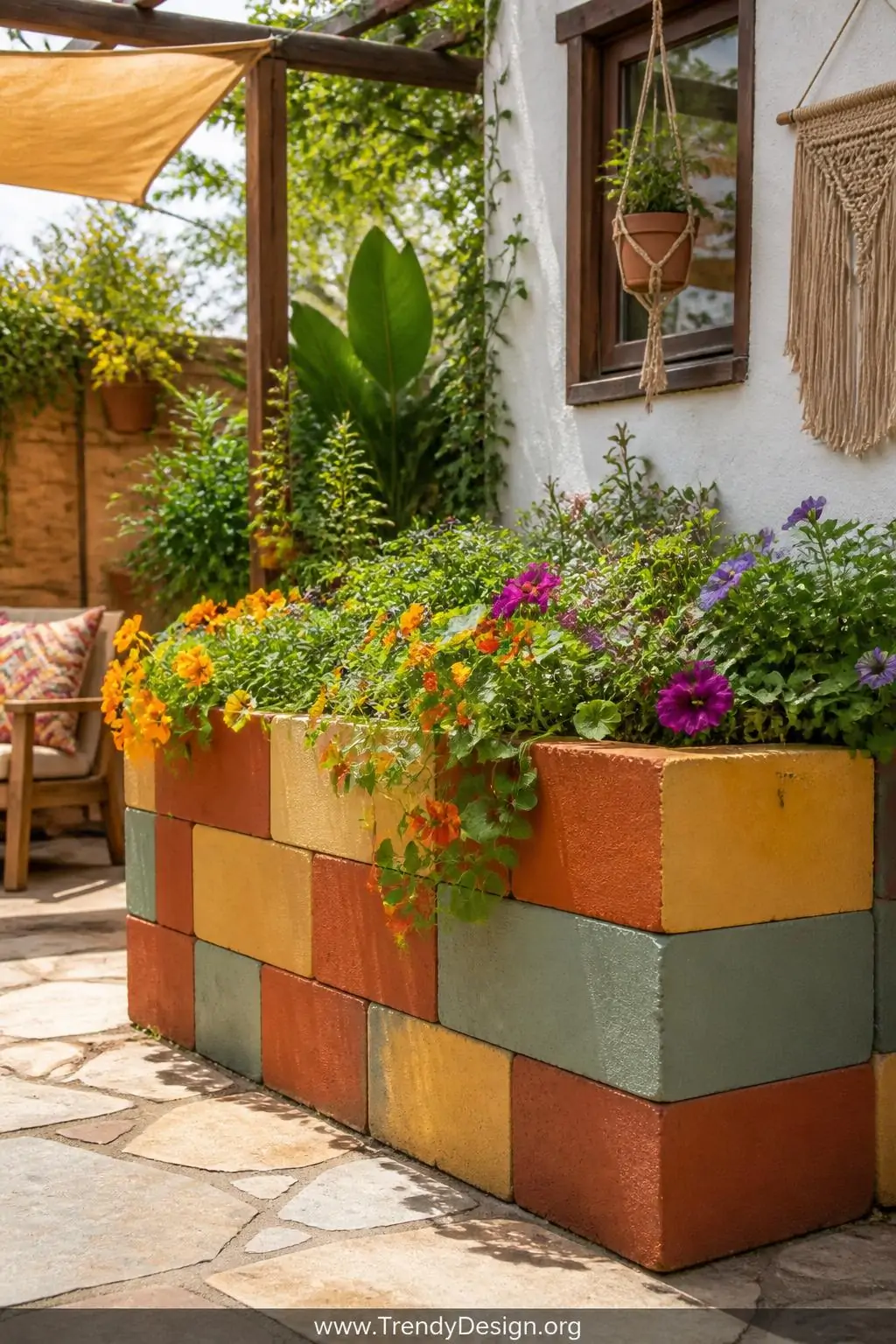
6. Painted Concrete Raised Garden Bed in Bold Colors
As an Amazon Associate I earn from qualifying purchases.
Who said concrete raised garden beds had to be gray? A painted concrete raised planter is one of the easiest ways to inject serious personality into your outdoor space. Exterior-grade masonry paint adheres beautifully to concrete surfaces and comes in basically every color imaginable, from deep navy to terracotta to bright lemon yellow.
This approach is especially popular in boho and eclectic gardens where mixing textures and colors is absolutely encouraged. Paint your concrete blocks in alternating colors, create geometric patterns, or go full commitment with a single bold statement hue. Your garden, your rules.
7. Concrete Raised Bed With Embedded Stone or Mosaic Accents

As an Amazon Associate I earn from qualifying purchases.
Take your concrete raised garden bed from ordinary to absolutely extraordinary by pressing stones, tiles, or glass mosaic pieces directly into the wet concrete surface. Mosaic-embedded concrete planters become genuine works of art in your garden, reflecting light and adding color and texture that plain concrete simply can’t match.
You can use broken ceramic tiles, river stones, sea glass, or even decorative pebbles to create patterns on the exterior walls. This is a wonderfully meditative project that costs very little but delivers enormous visual impact. Honestly, it might be the most satisfying afternoon craft project your garden has ever inspired.
- Press materials into concrete while it’s still workable, about 20 to 30 minutes after pouring
- Use contrasting colors for patterns that pop
- Seal the finished mosaic to protect the embedded pieces
- Keep designs simple for a more modern look or go intricate for bohemian vibes
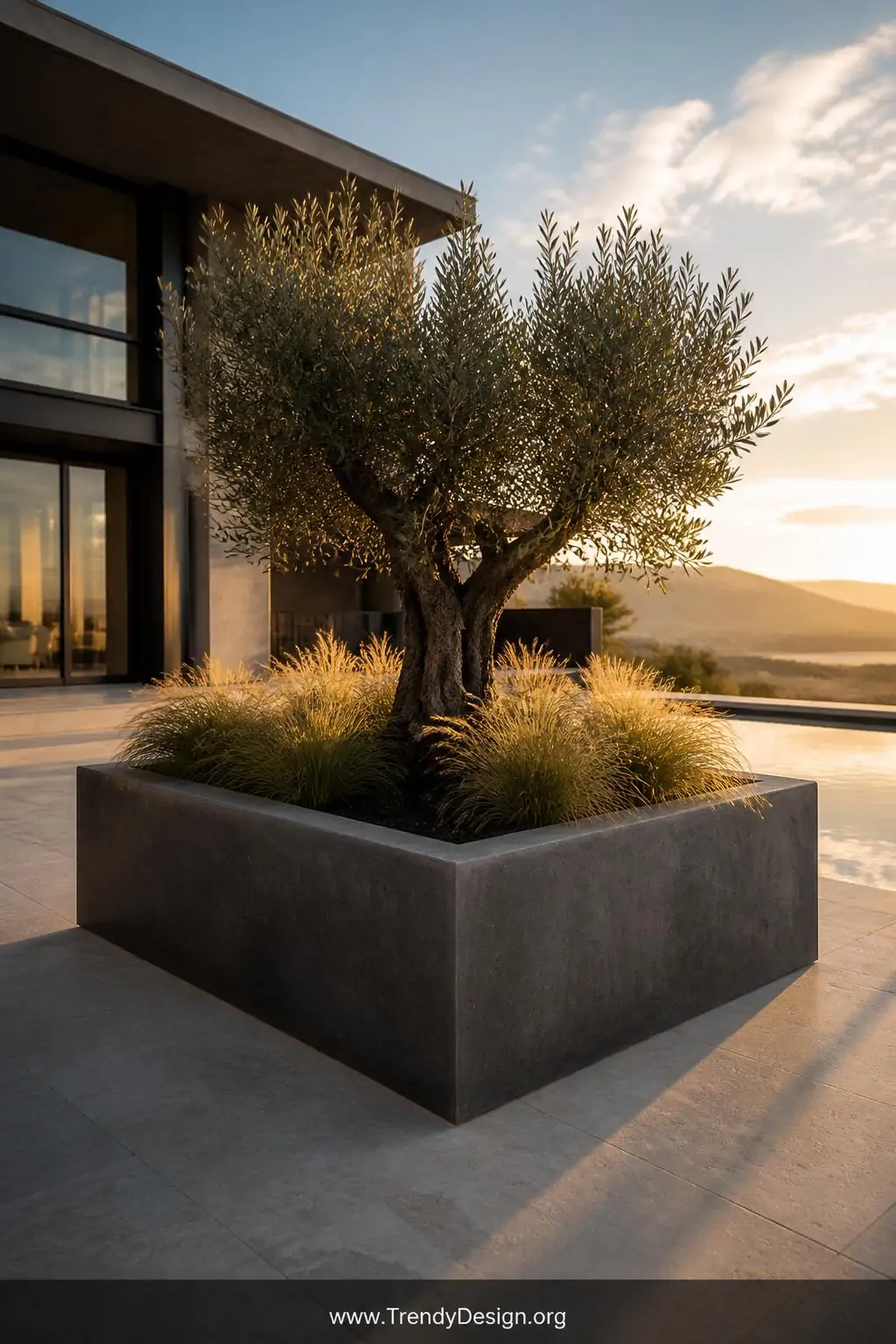
8. Large-Scale Freestanding Concrete Raised Planter for Patios
As an Amazon Associate I earn from qualifying purchases.
Large freestanding concrete raised planters make an incredible statement on patios, driveways, and pool decks. These substantial structures are typically created using reinforced concrete poured into custom forms, resulting in a planter that can hold enough soil for small trees, large ornamental grasses, or even a dwarf citrus tree. They’re genuinely impressive up close.
The weight of these planters is actually a feature, not a bug. They stay put through wind, rain, and rowdy garden parties without budging an inch. Permanence and beauty wrapped into one structure — that’s the kind of investment that pays off every single season.
Best Plants for Large Concrete Planters
- Dwarf olive or citrus trees
- Ornamental grasses like pampas or feather reed
- Climbing roses trained on a trellis insert
- Lavender for fragrance and pollinator appeal
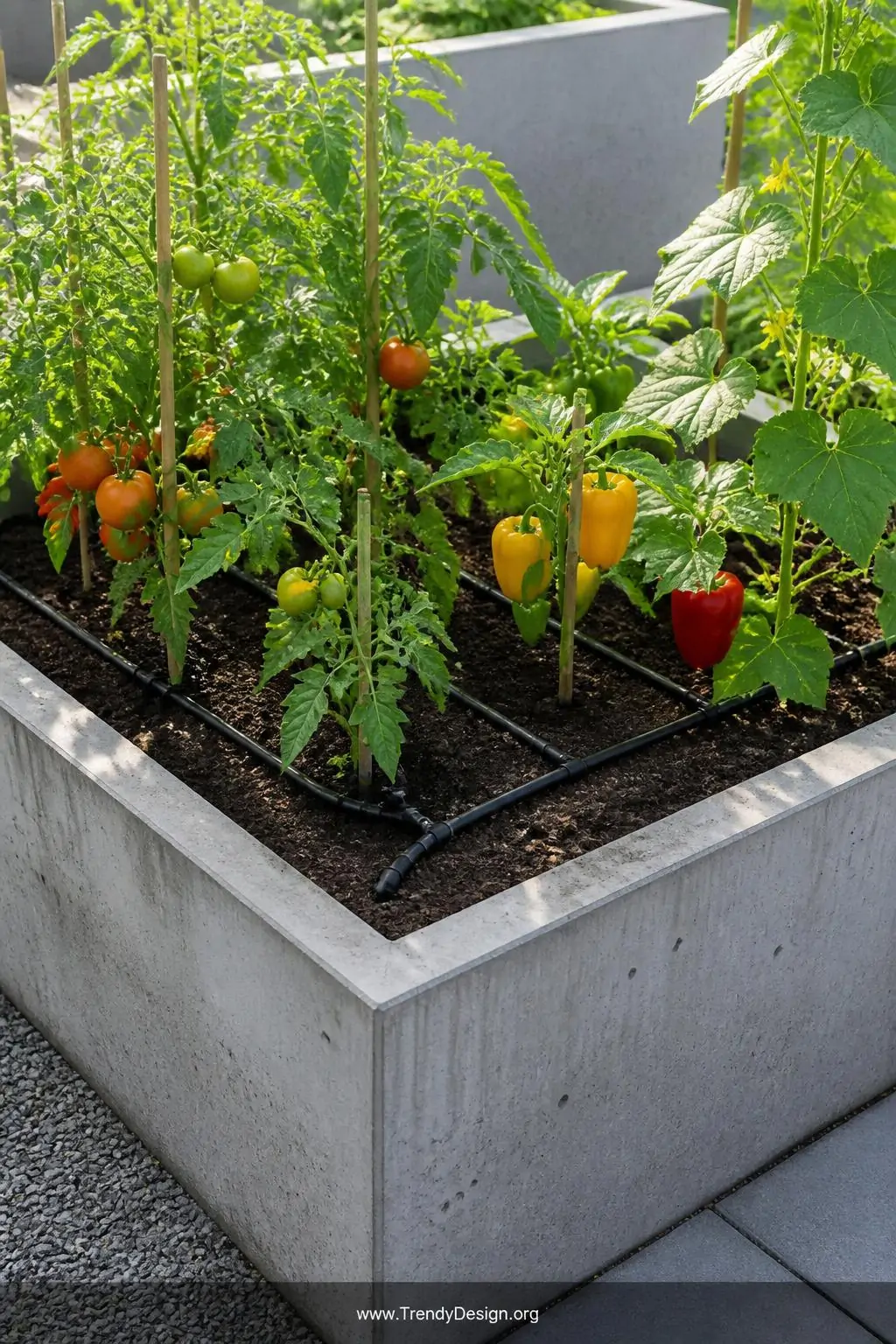
9. Concrete Raised Veggie Bed With Drip Irrigation Built In
As an Amazon Associate I earn from qualifying purchases.
Now we’re talking seriously smart gardening. A concrete raised vegetable bed with built-in drip irrigation channels combines the durability of concrete construction with the efficiency of automated watering. During the building phase, irrigation tubing is routed through or beneath the concrete walls so water delivers directly to plant roots without waste or mess.
This setup is a genuine game-changer for vegetable growers who want consistent harvests without daily watering chores. Your tomatoes, peppers, and cucumbers will thrive with that steady, reliable moisture, and you’ll never come home from vacation to a crispy garden again. That alone is worth every penny of the investment.
The Bottom Line
Concrete raised garden beds are one of the smartest upgrades you can make to your outdoor space. They’re built to last decades, they look incredible, and they give your plants a healthy, defined home to grow and thrive in. Whether you go simple with stacked cinder blocks or invest in a poured concrete masterpiece with mosaic accents, you really can’t go wrong.
Pick the style that speaks to your space, your budget, and your personality, then get out there and build something beautiful. Your garden — and your future harvests — are going to thank you for it.
Leave a Reply