That awkward gap between your hardwood and tile has been silently judging you for months. Uneven floor transition strips don’t have to be an eyesore they can actually become a design moment. Let’s fix that sad little seam once and for all.
1. Go for the Sleek Metal T-Bar Look
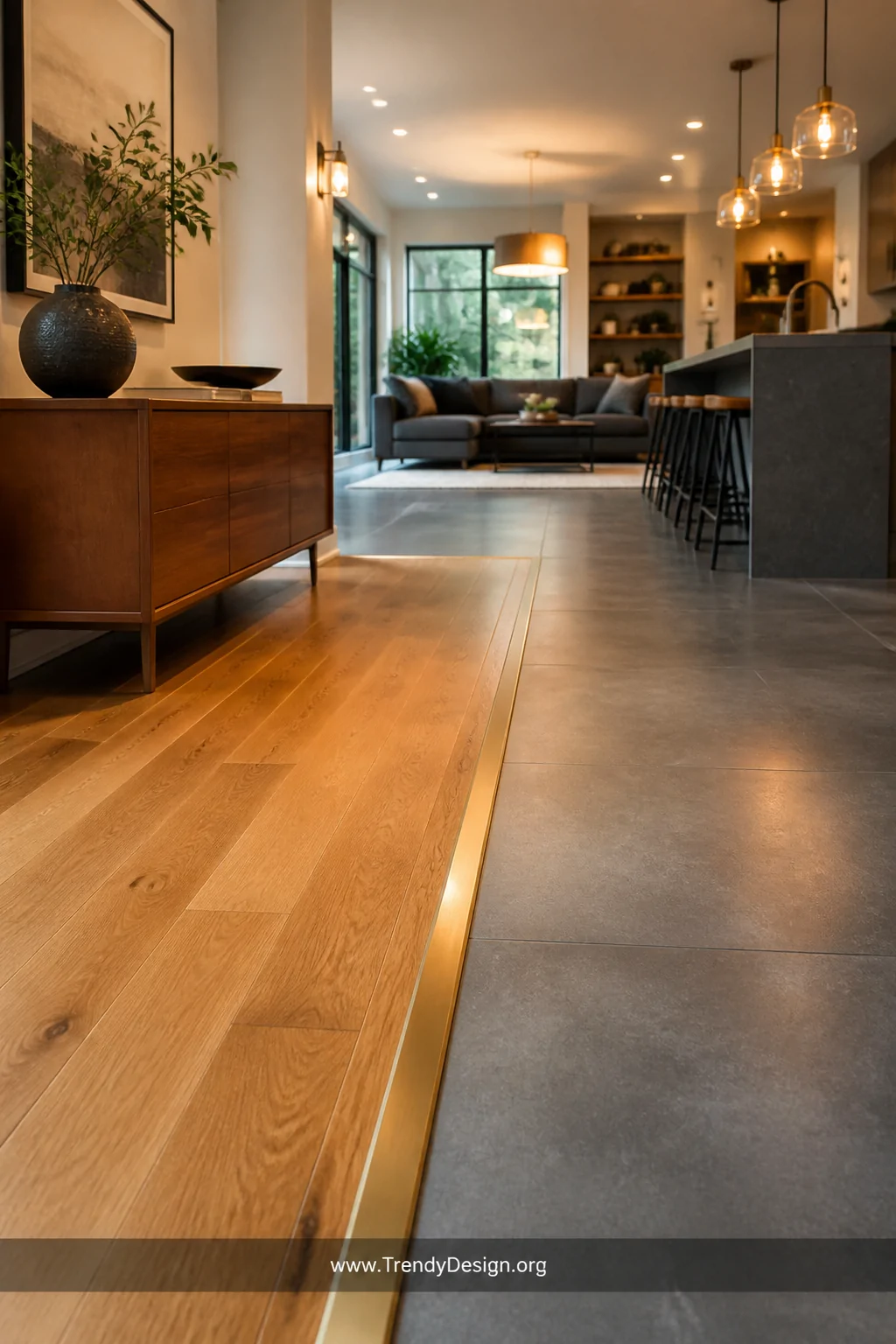
Metal transition strips are having a serious glow-up right now. Brushed gold, matte black, and satin nickel options turn a functional necessity into a genuine style statement.
The T-bar design sits perfectly over height differences of up to half an inch. It’s clean, modern, and looks intentional like you planned the whole thing from the start.
- Brushed brass works beautifully with warm wood tones
- Matte black pairs perfectly with concrete or dark tile
- Satin nickel keeps things neutral and timeless
2. Try a Reducer Strip for Dramatic Height Differences
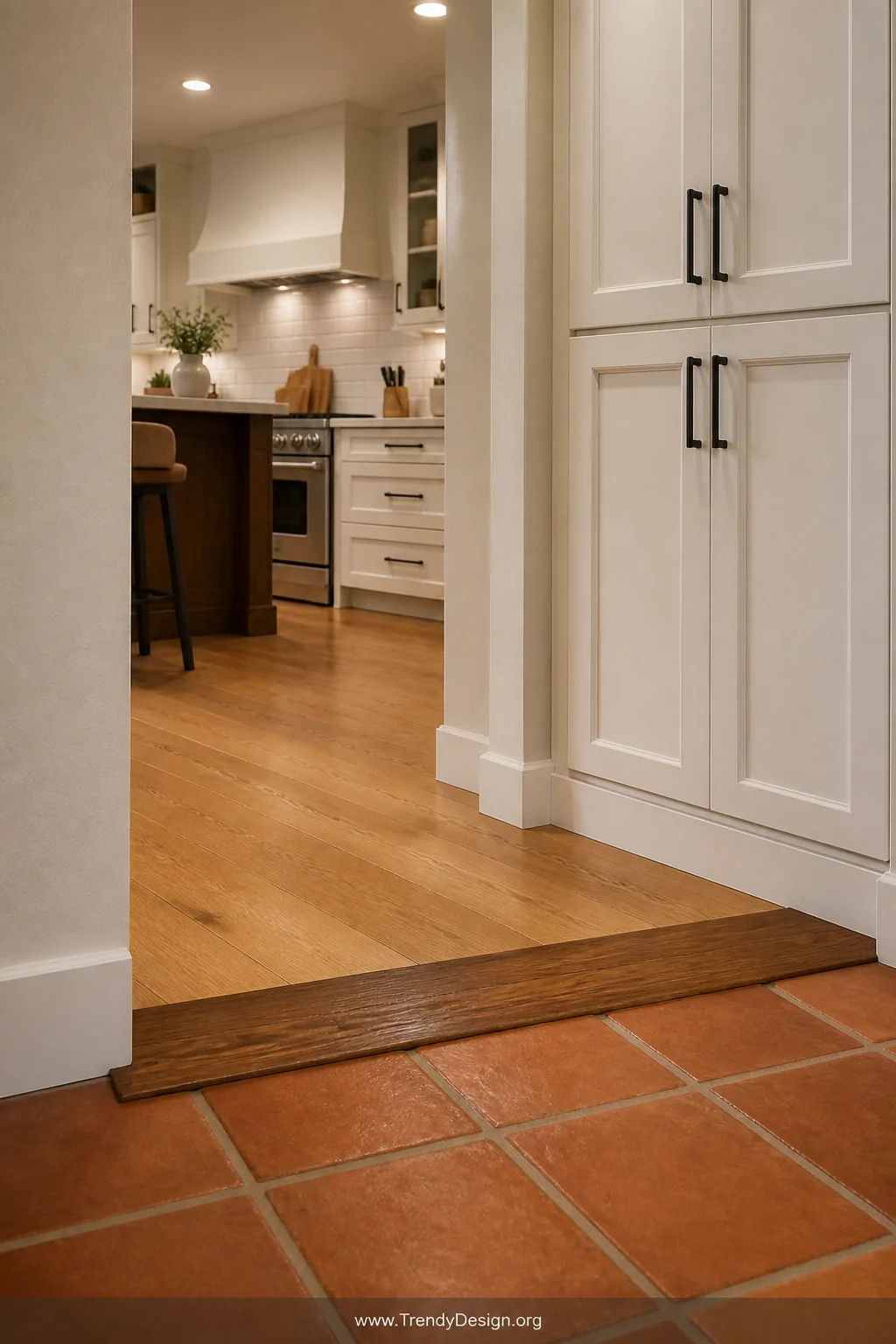
Got a serious height jump between your floors? A reducer strip is your best friend here. It gently slopes from one level to another instead of creating a sudden drop that everyone trips over.
Honestly, reducer strips have come a long way in the style department. You can now find them in wood finishes, stone-look veneers, and even custom-painted options that blend almost invisibly into your flooring.
What to Look For in a Good Reducer
- A gradual slope angle of 30 degrees or less for comfort
- Finish that closely matches your dominant flooring
- Pre-drilled holes for easy, wobble-free installation
3. Use Threshold Strips as a Design Divider
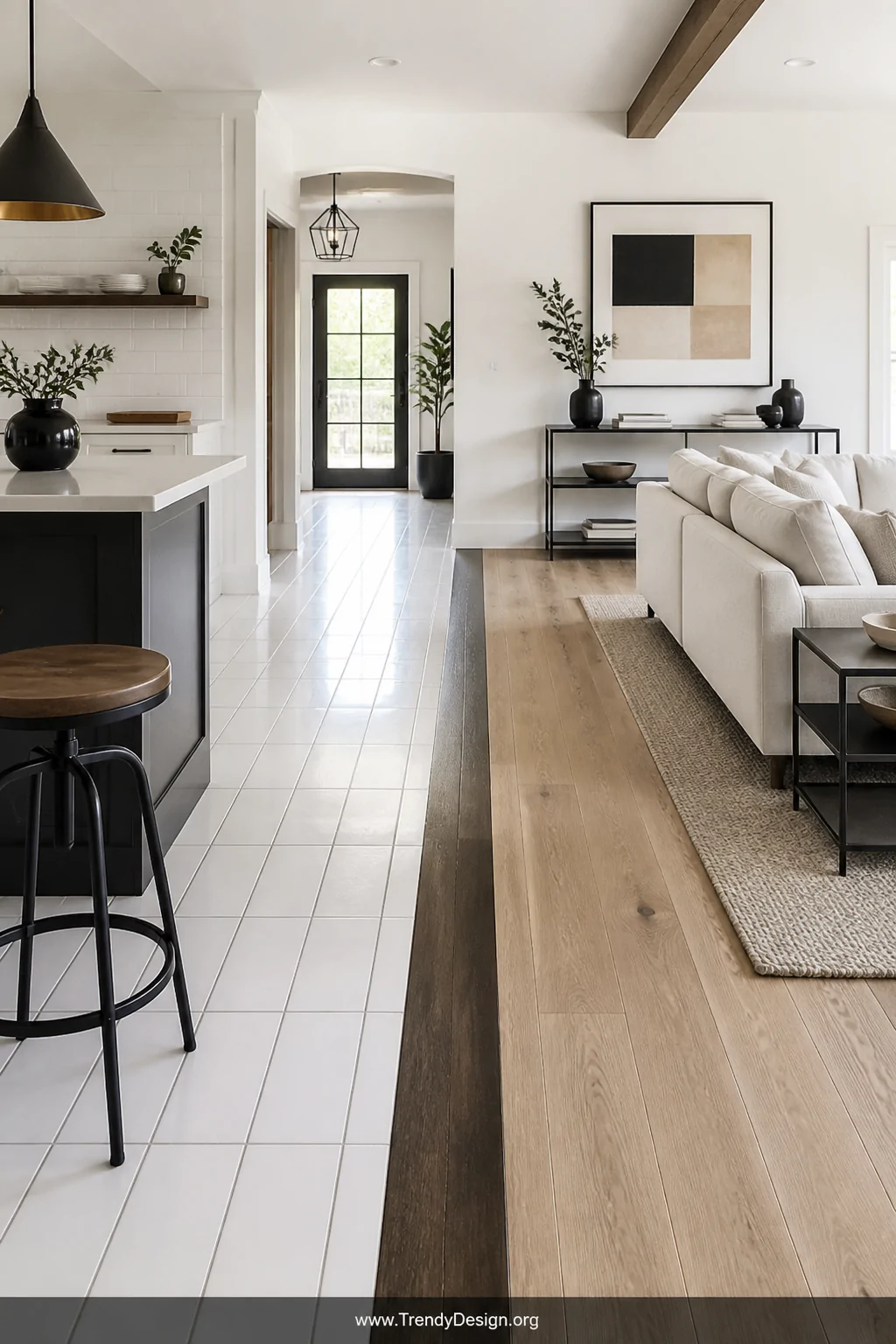
Why hide the transition when you can celebrate it? Threshold strips can actually act as a visual boundary between two different zones in an open-plan space. Think of it as an architectural line that says “kitchen ends here, living room begins.”
Choose a contrasting finish to make the divider pop. A dark walnut strip between white tile and pale oak flooring looks genuinely intentional and incredibly sophisticated.
4. Match the Strip to Your Grout Color
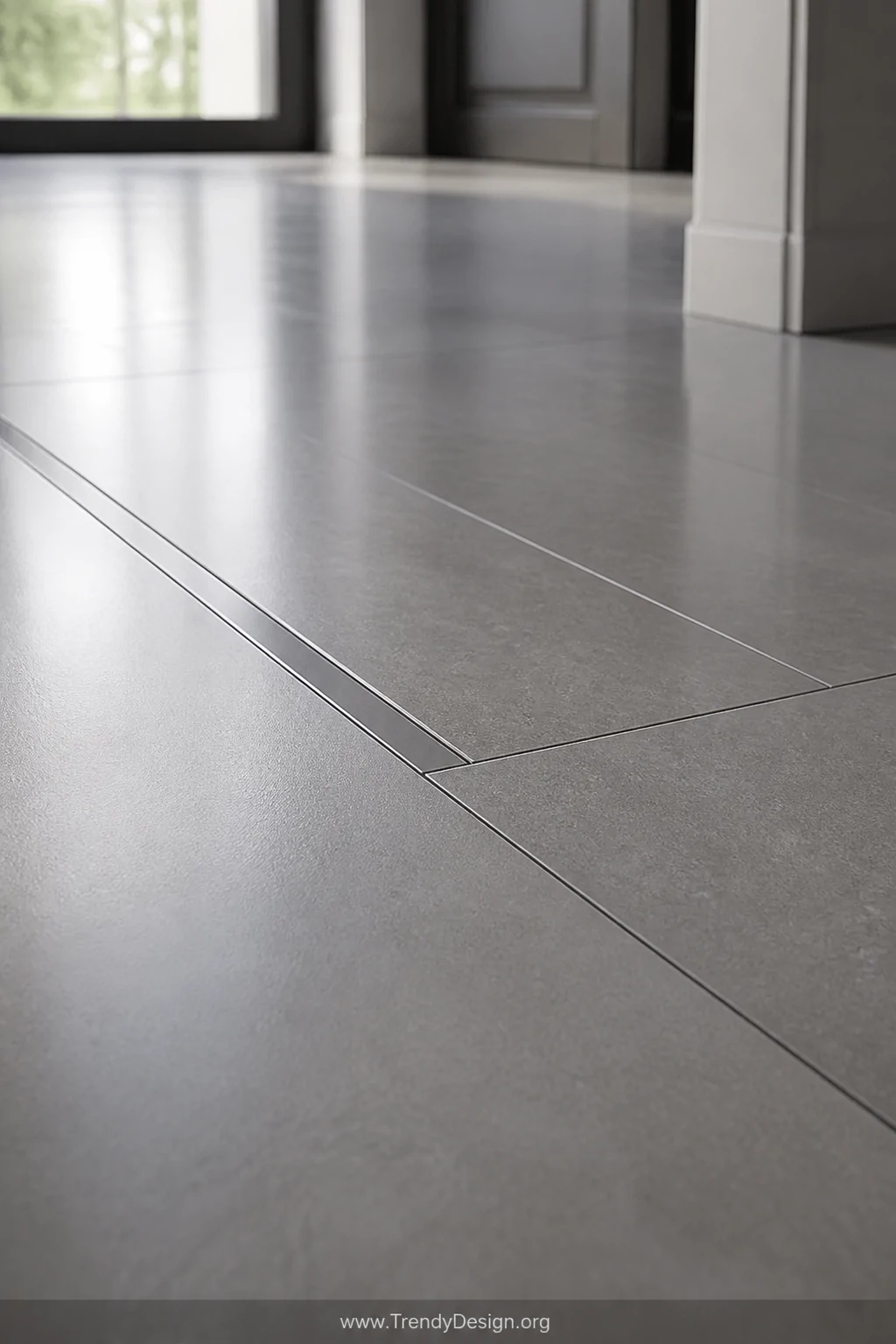
This is the sneaky designer trick most people completely overlook. When your floor transition strip matches your tile grout color, the whole seam visually disappears. It creates this gorgeous seamless illusion even when there’s a real height difference underneath.
FYI, many tile stores now sell coordinating transition pieces right alongside their grout lines. That’s not a coincidence interior designers have been doing this forever and now it’s totally accessible to everyone.
- Light gray grout pairs with silver or pewter metal strips
- Warm beige grout works with champagne or antique brass
- White grout looks stunning with polished chrome
5. Get Creative With Mosaic Tile Inlay Transitions
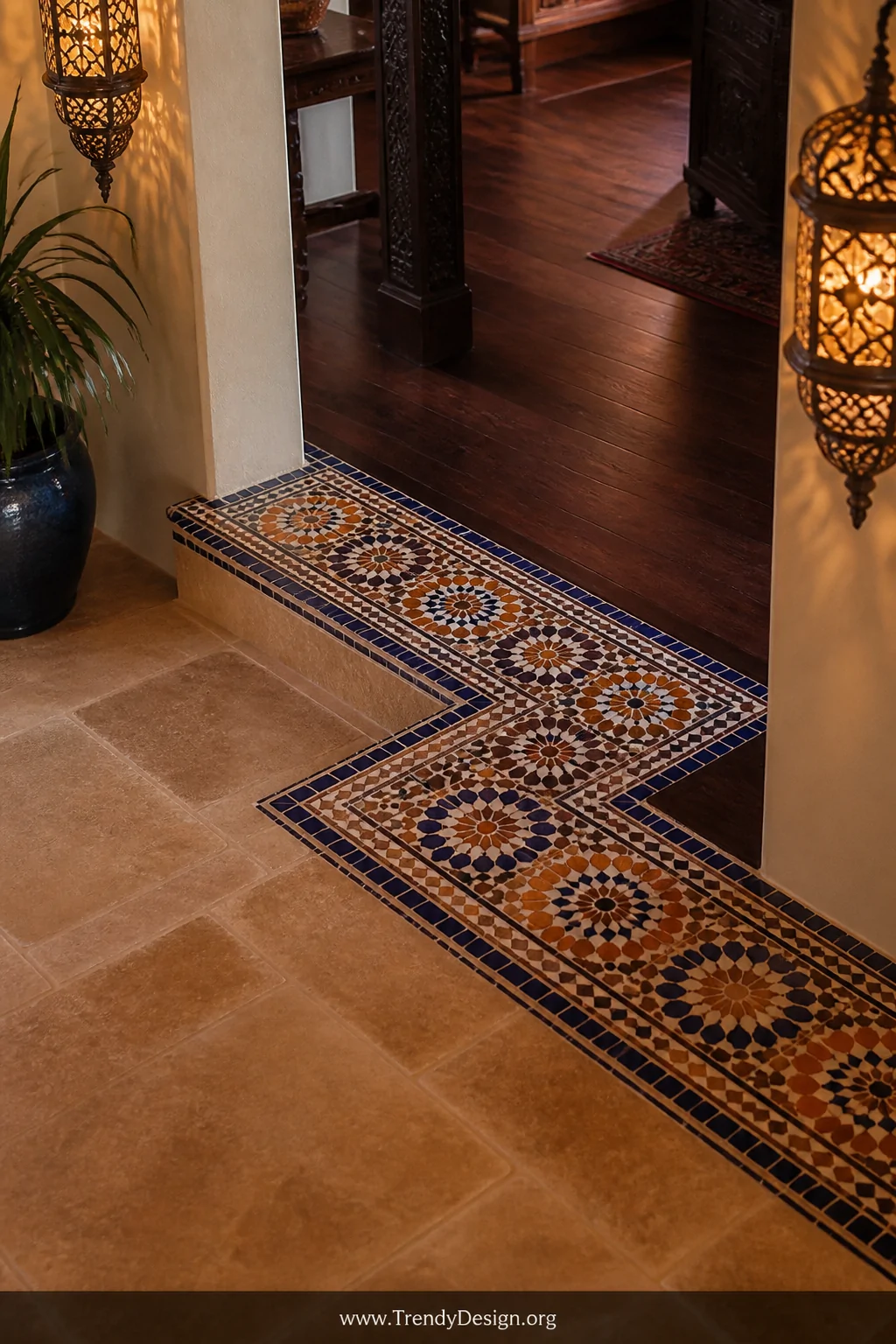
Okay, this one is for the bold and beautiful among us. Instead of a traditional strip, you can create a mosaic tile inlay that bridges the height gap with absolute artistry. Small decorative tiles are set into a custom border that transitions from one floor level to another.
It takes a little more skill and budget, but the result is jaw-dropping. IMO, this approach works especially well in Mediterranean-style homes, bohemian spaces, or anywhere you want an obvious focal point on the floor.
Best Tile Styles for This Technique
- Moroccan zellige tiles for a warm, handmade feel
- Geometric cement tiles for bold graphic impact
- Simple penny round mosaics for a subtle but textured finish
6. Install a Flush-Mount Transition for a Modern Finish

If visible strips make you cringe, flush-mount transitions are about to change your life. These clever systems sit completely level with your surrounding floors, hiding the height difference with a nearly invisible seam. No bumps, no ridges, no stubbed toes at midnight.
They work by using a channel system embedded into the subfloor before your flooring goes down. If you’re mid-renovation right now, stop what you’re doing and ask your installer about this option immediately you’ll thank yourself later.
These are particularly stunning in contemporary and minimalist spaces where clean lines are everything. The floor just flows, end of story.
7. Choose Wood Transition Strips That Tell a Story

There’s something genuinely warm and beautiful about a solid wood transition strip connecting two different floor materials. Unlike plastic or hollow alternatives, real wood has depth, grain, and character that elevates the entire look of the room.
You don’t have to match the wood species exactly either. Sometimes a slightly contrasting wood tone like a rich mahogany strip between pale birch and cream tile creates a deliberate, curated feel. It signals that someone with taste lives here.
- Oak strips suit almost any interior style from rustic to modern
- Bamboo works beautifully in natural or Japandi-inspired spaces
- Walnut adds instant luxury between any two floor materials
8. Paint or Stain Your Strip to Match a Custom Color
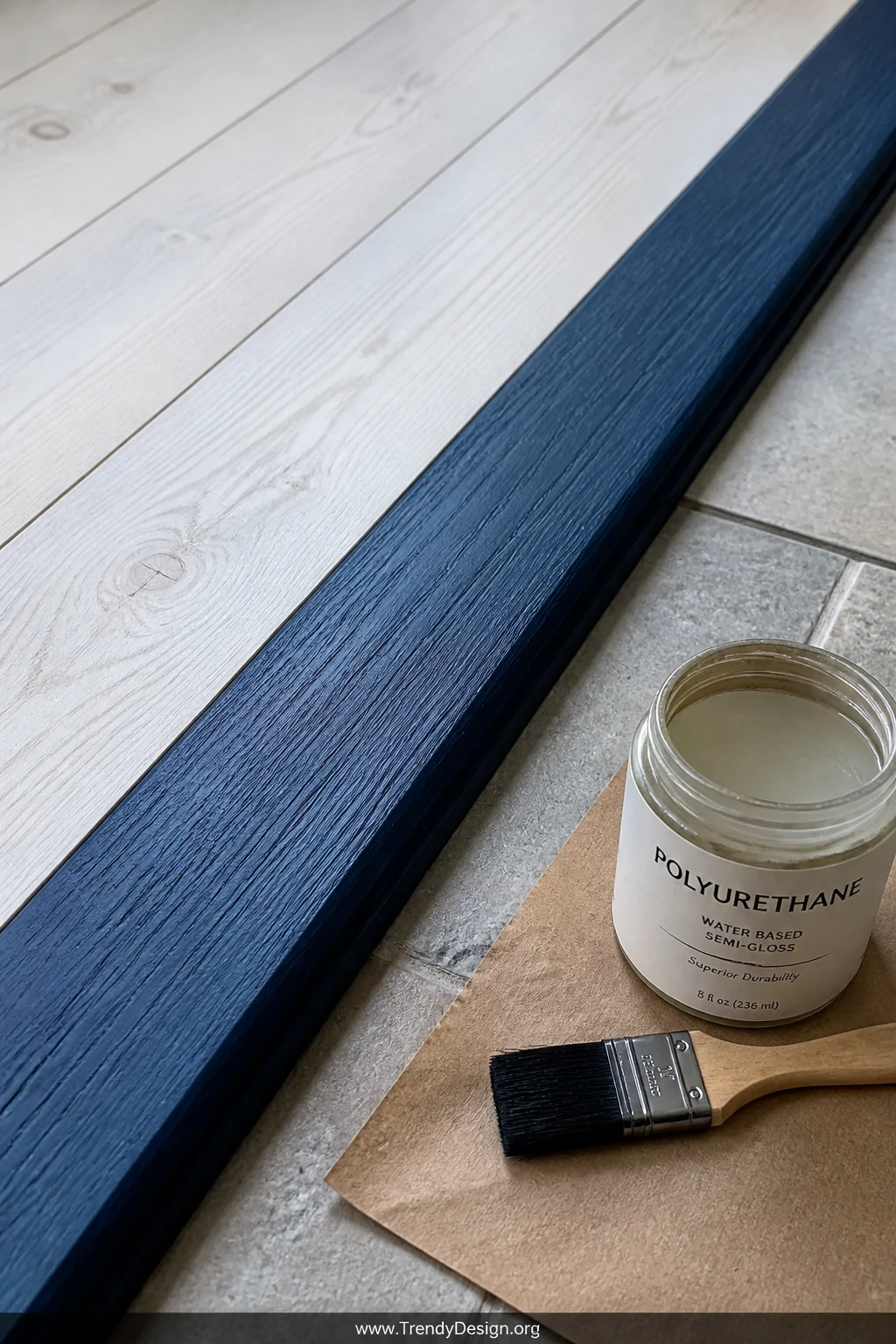
Can’t find the exact finish you need? Make it yourself. Unfinished wood transition strips are widely available and completely customizable with stain, paint, or even decorative wax. This is the move when you have a very specific floor color that no off-the-shelf product seems to match.
Staining a raw wood strip to match your floor takes about an afternoon and costs almost nothing compared to custom-ordered pieces. You can also use this technique to add a pop of color a painted navy strip between light floors can look incredibly intentional and playful in the right space.
Quick Custom Finishing Tips
- Always sand the strip lightly before applying any stain or paint
- Use a wood conditioner first for even, blotch-free color absorption
- Seal with a durable polyurethane coat to protect high-traffic areas
- Test your color on a scrap piece before committing to the full strip
Handling uneven floor transitions doesn’t mean settling for something ugly or purely functional. Every single one of these approaches turns a practical problem into a genuine design opportunity, and that’s exactly the kind of energy your home deserves.
Pick the idea that fits your style, your budget, and your skill level then go make that transition strip the most intentional detail in the room. Your floors are waiting.
Leave a Reply