There is something almost magical about a wildflower garden. It looks like nature just decided to throw a party in your yard, and honestly, that is pretty much what happens. If you have been dreaming of a garden that rewards you with stunning blooms without demanding your entire weekend, you are in exactly the right place.
Wildflower garden ideas are having a serious moment right now, and for good reason. They attract pollinators, save water, and make your neighbors stop their cars to take a second look. Whether you have a sprawling backyard or a tiny patch of dirt near your front door, there is a wildflower setup that will absolutely work for you. Let us dive into eight beautiful ways to make it happen.
1. The Classic Meadow Mix Border Along Your Fence
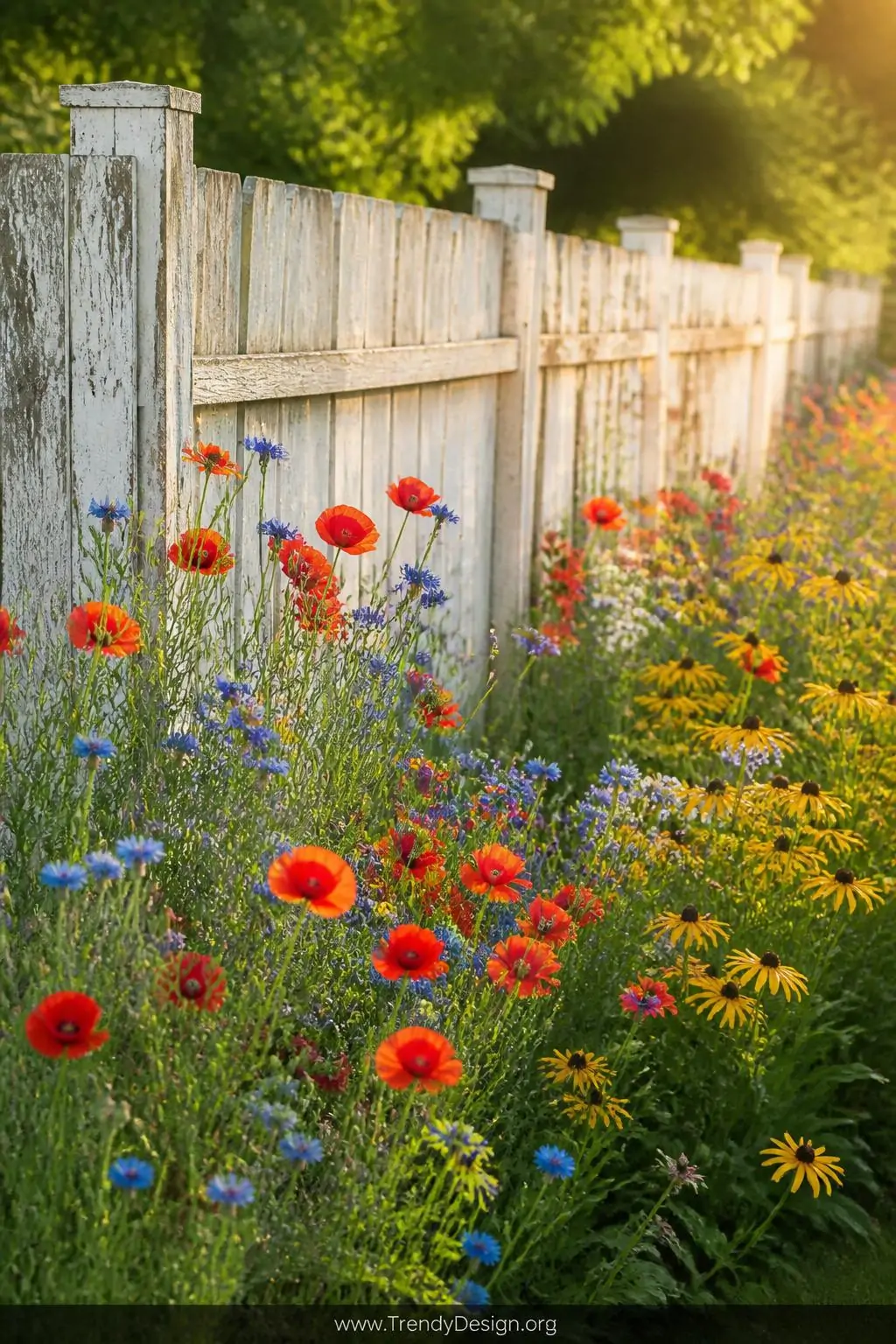
This is the wildflower idea that started it all, and it never gets old. Planting a meadow mix along a fence line creates a soft, romantic border that looks intentional without requiring you to overthink every single plant placement. You scatter the seeds, water occasionally, and let the show begin.
Choose a mix that includes cornflowers, poppies, and black-eyed Susans for a classic cottage feel. These flowers bloom at slightly different times, which means you get continuous color from spring through fall without replanting every season. It is basically a self-refreshing piece of living art along your property line.
- Prep the soil by loosening it lightly and removing weeds first
- Scatter seeds generously, then press them gently into the soil
- Water for the first two weeks, then let nature take the wheel
- Trim back lightly in late fall to encourage next year’s growth
2. A Wildflower Patch That Replaces Your Boring Lawn Section
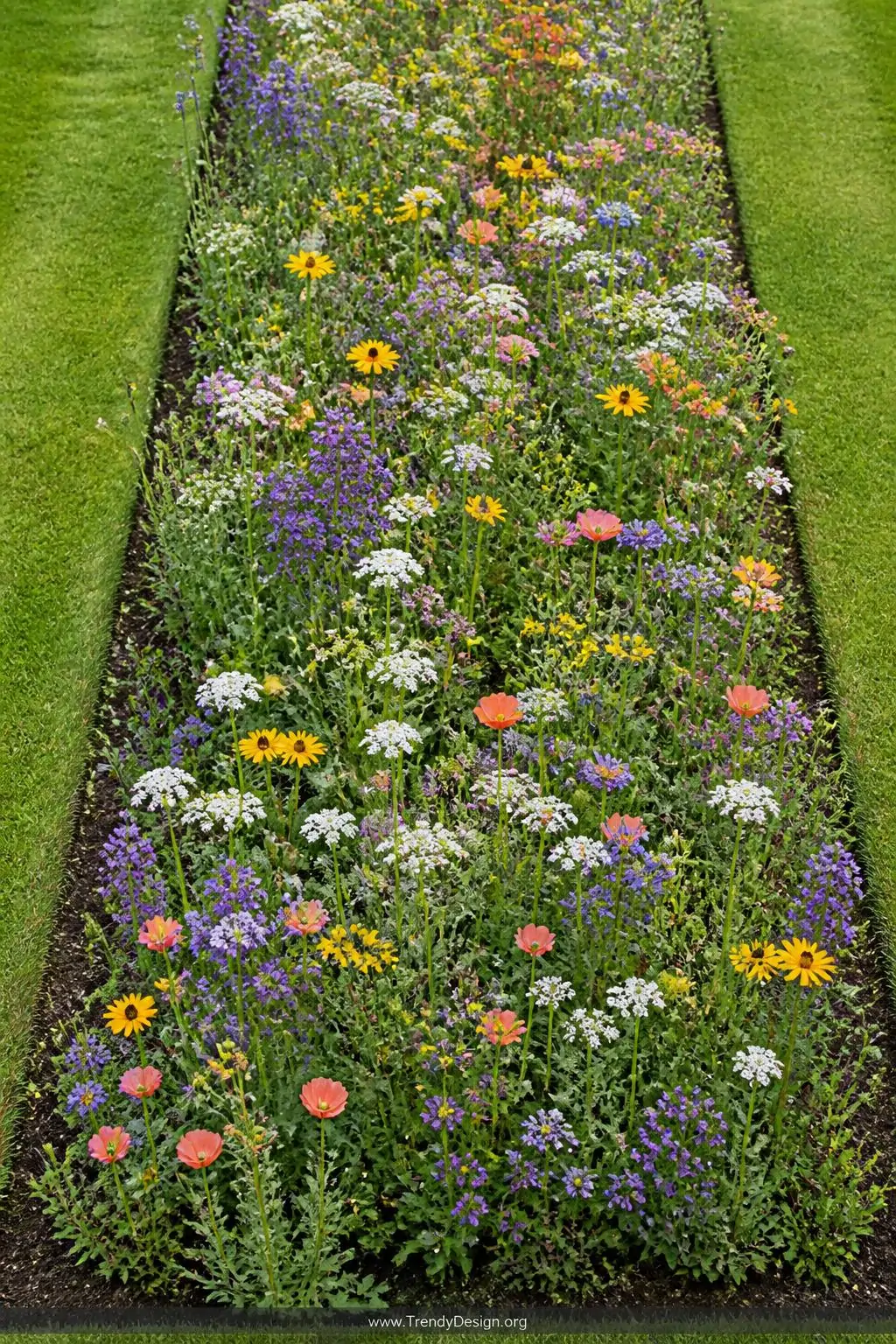
FYI, you do not need grass everywhere. Replacing even a small section of turf with a wildflower patch is one of the most satisfying home decor upgrades you can make outdoors. Swapping lawn for wildflowers cuts your mowing time dramatically and adds way more visual interest than plain green grass ever could.
Start with a four-by-six-foot section if you are nervous about committing to a bigger transformation. Once you see how beautiful and low-maintenance it becomes, you will probably want to expand it the following year. Most people end up wishing they had done it sooner.
3. Wildflowers in Raised Beds for a Polished Garden Look
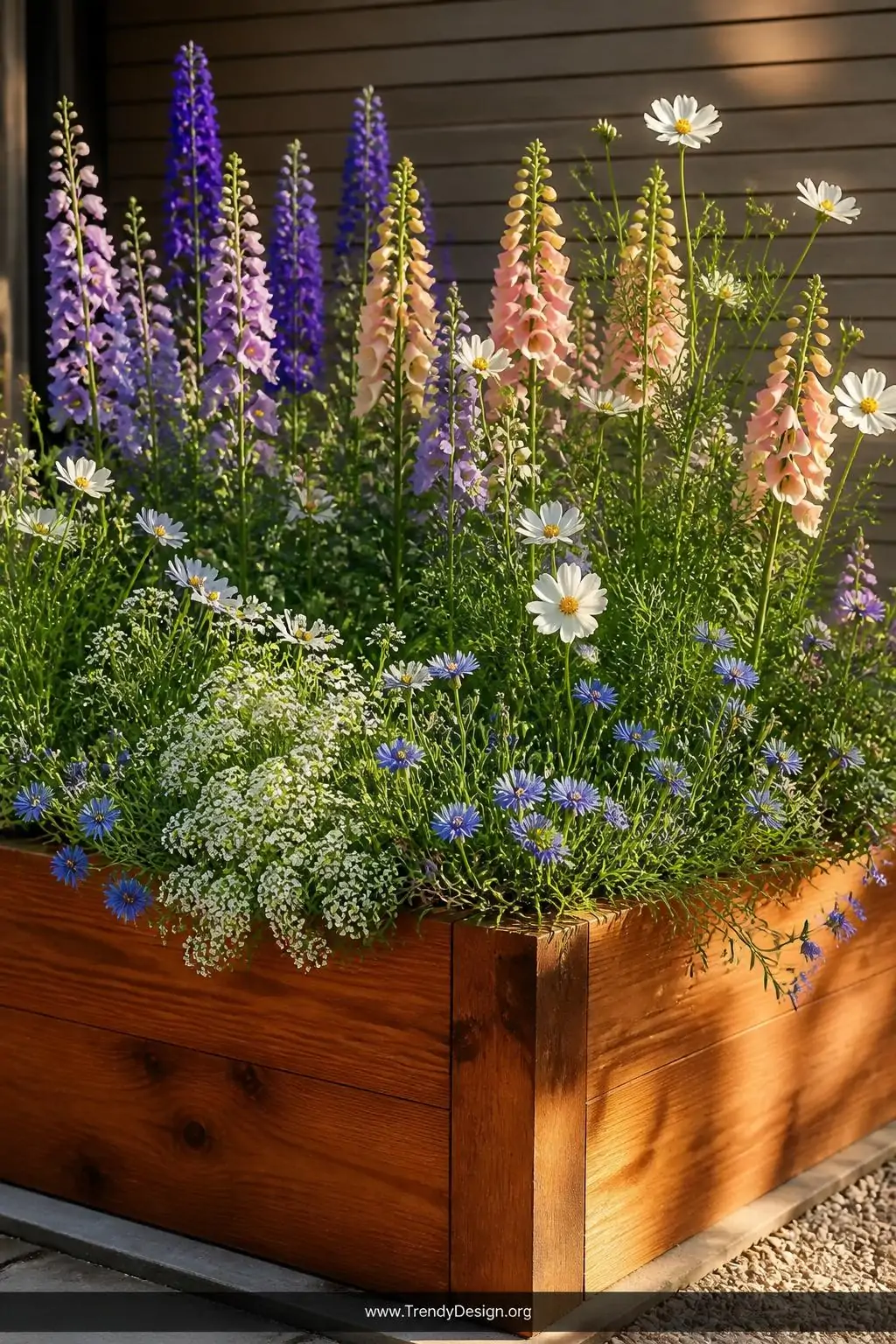
If you love the idea of wildflowers but also appreciate a little structure, raised beds are your best friend. Framing wildflowers inside a raised bed gives them a curated, intentional appearance while still letting them grow freely and naturally within that defined space. It is the perfect marriage of wild and refined.
Cedar raised beds look especially gorgeous paired with flowing wildflowers spilling slightly over the edges. You can mix taller flowers like larkspur and foxglove at the back with shorter varieties like alyssum and bachelor buttons up front for a layered, dreamy effect.
Best Wildflowers for Raised Beds
- Cosmos for height and delicate texture
- California poppies for easy spreading and cheerful color
- Zinnias for long-lasting summer blooms
- Sweet alyssum as a fragrant, low-growing border
4. The Butterfly and Bee Garden That Does Double Duty
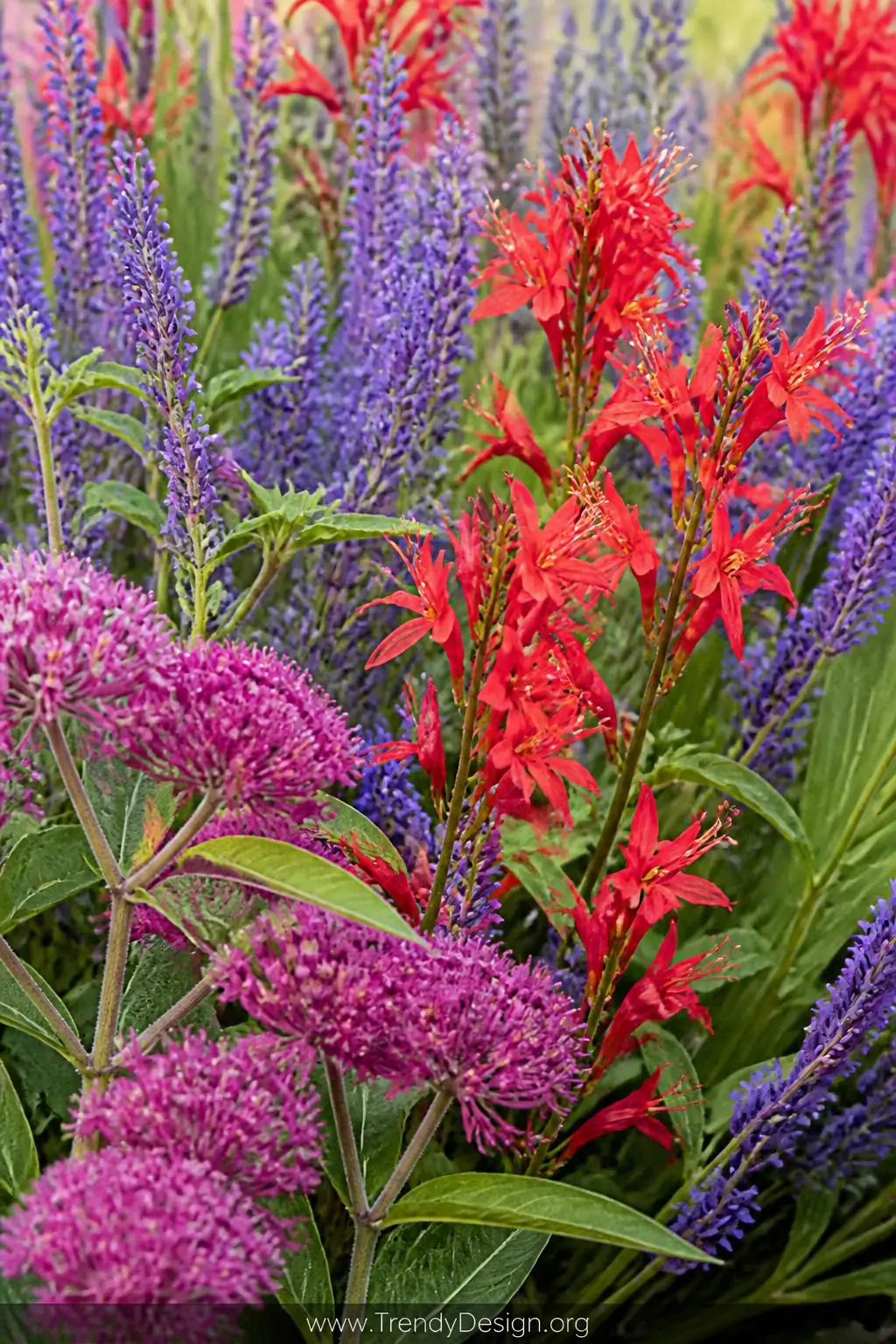
Creating a wildflower garden specifically designed to attract pollinators is one of the most rewarding things you can do for your outdoor space. A pollinator-focused wildflower patch brings butterflies, bees, and hummingbirds to your yard in numbers that will genuinely surprise you. It is like adding living, fluttering decor that no nursery can sell you.
Plant milkweed for monarch butterflies, lavender for bees, and cardinal flowers for hummingbirds alongside your wildflower mix. These plants work together to create a whole little ecosystem right outside your window. Honestly, watching the wildlife it attracts becomes its own form of entertainment.
5. A Wildflower Pathway That Makes Every Step Feel Whimsical
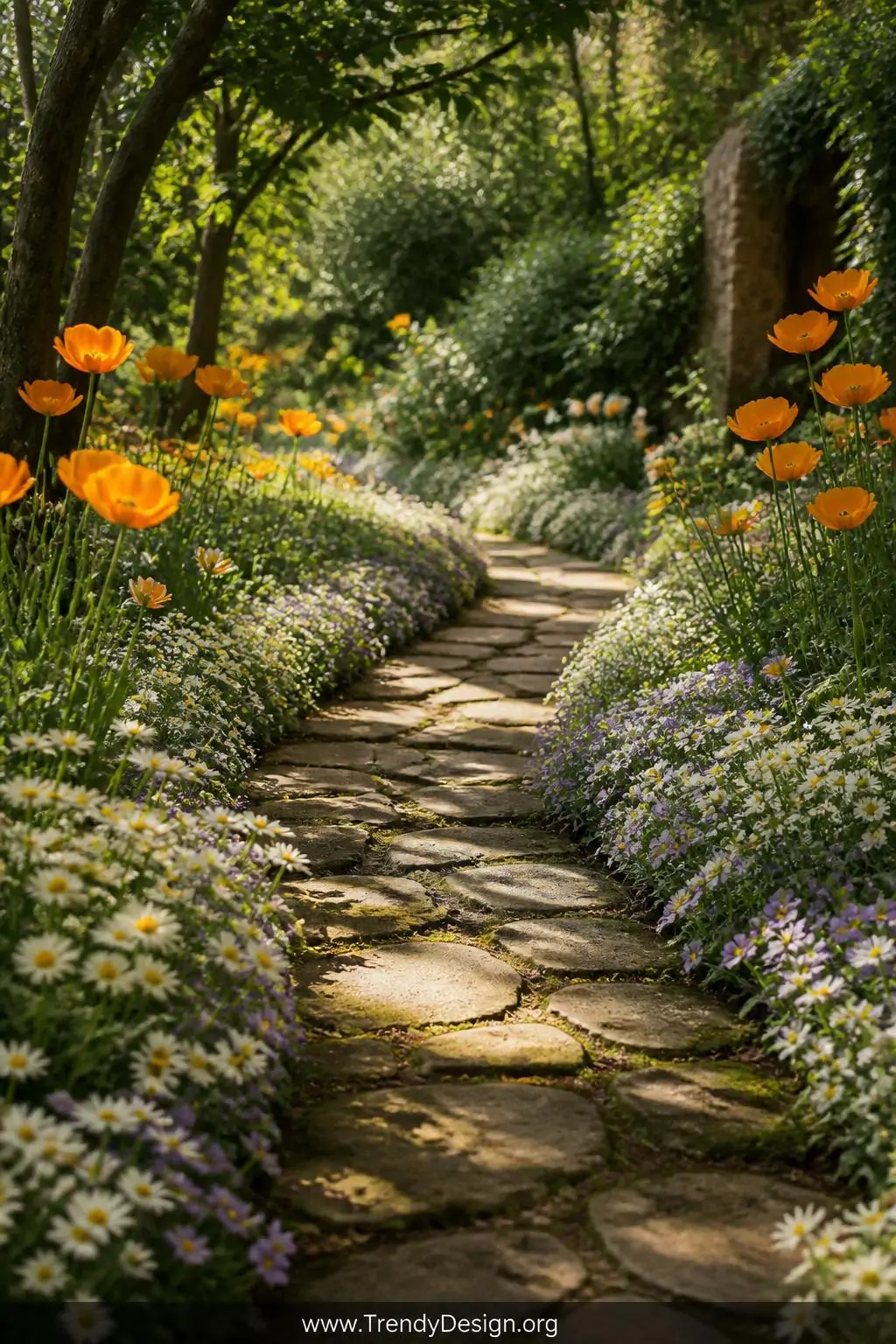
Lining a garden path or walkway with wildflowers is one of those ideas that looks incredibly expensive and planned but is actually super simple to execute. Planting low-growing wildflowers along a stone or gravel path softens the hard edges and makes your garden feel like something out of a storybook. Guests will not stop talking about it.
Creeping thyme, chamomile, and tiny violas are perfect for pathway edges because they stay relatively compact and can even handle a little foot traffic. Mix in some taller poppies just behind them for a layered, effortless effect. The whole thing comes together beautifully with almost zero fussing required.
- Stick to low-growing varieties within twelve inches of the path
- Allow plants to self-seed for a naturally spreading look over time
- Add stepping stones to keep the pathway functional and accessible
6. Wildflowers in Containers for Balconies and Small Spaces
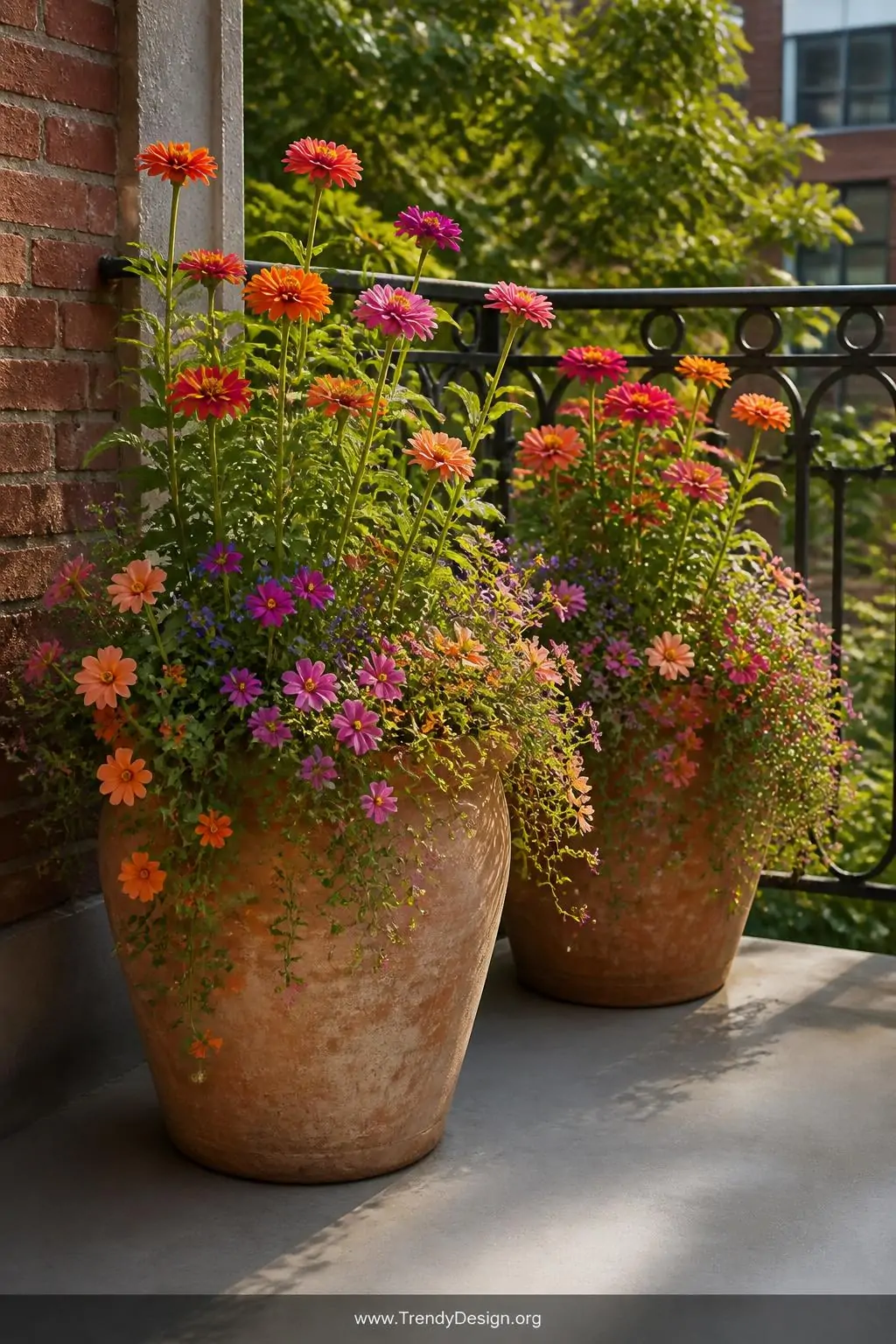
Living in an apartment or working with a tiny outdoor space does not mean you have to miss out on wildflower magic. Growing wildflowers in containers and window boxes brings all the charm of a meadow garden to even the smallest balcony or patio. You just need a big enough pot and a sunny spot.
IMO, oversized terracotta pots filled with a cheerful wildflower mix are one of the most underrated patio decor moves out there. Go for a mix that includes both upright and trailing varieties so the whole arrangement looks lush and full. Water regularly since containers dry out faster than garden beds, and you will be rewarded with nonstop blooms all season long.
Container Wildflower Tips
- Choose pots at least twelve inches deep for healthy root development
- Use well-draining potting mix to prevent waterlogging
- Deadhead spent blooms to encourage continuous flowering
- Feed lightly with a balanced fertilizer once a month
7. A Naturalized Slope or Hillside Wildflower Garden
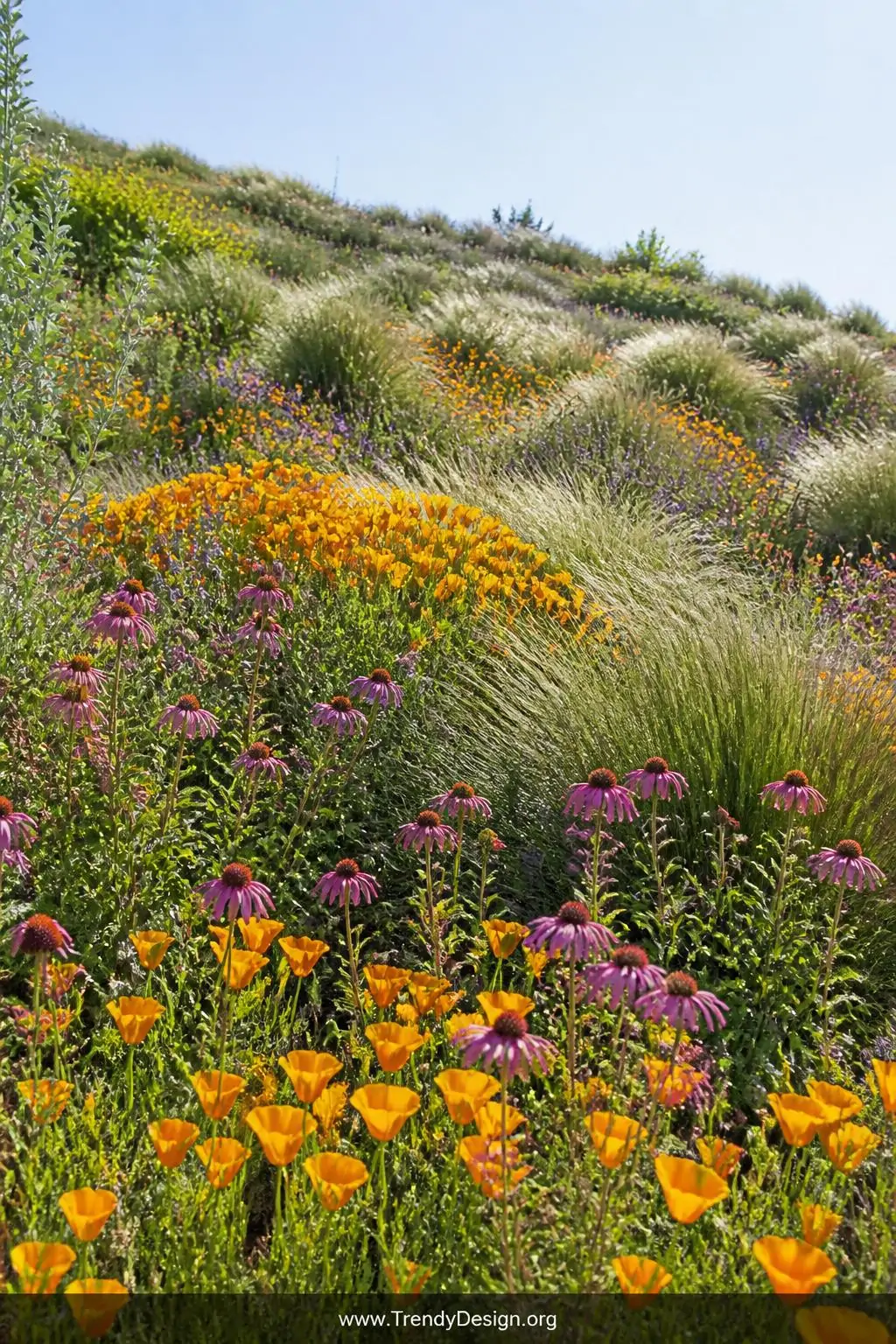
If you have a slope in your yard that has always been a landscaping headache, wildflowers are genuinely the answer you have been looking for. Naturalizing a slope with wildflowers controls erosion, eliminates the dangerous chore of mowing on an incline, and transforms a problem area into one of the most stunning features of your property. Win, win, and win again.
California poppies, native grasses, and coneflowers work especially well on slopes because their root systems hold soil beautifully. Once established after the first season, these plants spread on their own and fill in gaps naturally. Your biggest challenge will be keeping yourself from staring at it from the kitchen window all day long.
8. A Cut Flower Wildflower Garden for Endless Indoor Bouquets
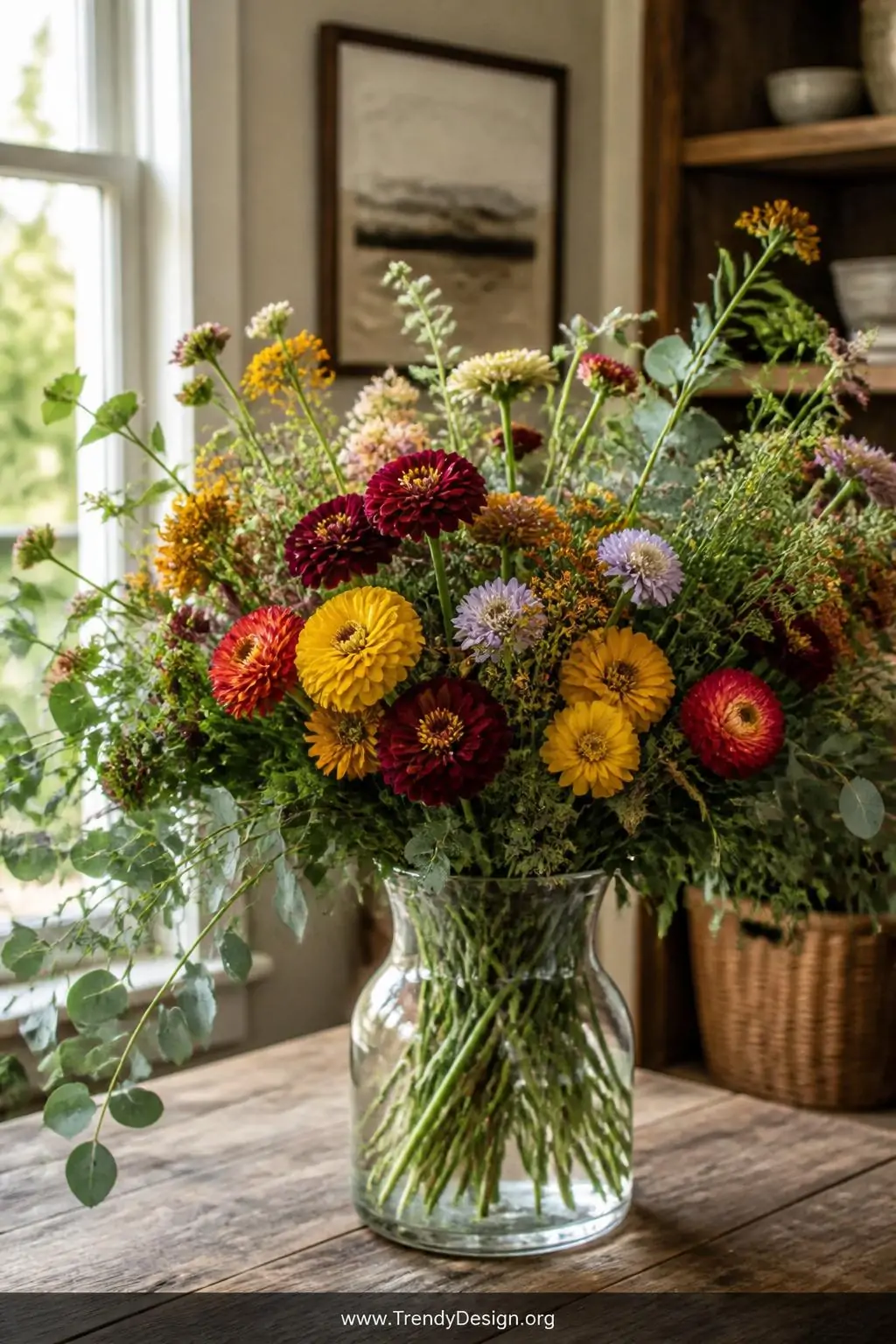
This final wildflower garden idea might be the one that changes your life the most, and that is not an exaggeration. Dedicating a dedicated cutting garden to wildflowers means you will have fresh, gorgeous bouquets for your home all summer long without spending a dollar at the florist. It is home decor that literally grows itself for you.
Zinnias, sunflowers, strawflowers, and scabiosa are all incredible choices for a cutting garden because they bloom prolifically and last well in a vase. Plant them in rows for easy harvesting, and cut stems frequently to encourage even more blooms. Your dining table, entryway, and bathroom will thank you profusely all season.
- Cut stems in the early morning when flowers are most hydrated
- Use clean sharp scissors to avoid crushing stems
- Change vase water every two days for longer-lasting arrangements
- Mix in foliage like eucalyptus or ferns for fullness
There you have it, eight beautiful and genuinely achievable wildflower garden ideas that will make your outdoor space look incredible with minimal effort on your part. The best part about committing to a wildflower garden is that it truly does get better every single year as plants self-seed and spread naturally. Start small, pick the idea that excites you most, and watch your yard transform into the gorgeous, effortless garden you have always imagined. Nature is basically begging to do the hard work for you, so let it.
Leave a Reply