There is something incredibly satisfying about turning a plain white pillowcase or boring curtain into a swirling, colorful masterpiece. Tie dye technique ideas have made a massive comeback, and honestly, they are not just for festival T-shirts anymore. Your home deserves that same burst of handmade, joyful energy — and the best part is that you do not need to be an artist to pull it off.
Whether you are a total beginner or someone who has dabbled with dye before, these five approaches will give your living space a personality upgrade that guests will absolutely notice. Grab your rubber bands, dust off your gloves, and let us dive in.
1. The Classic Spiral Swirl
As an Amazon Associate I earn from qualifying purchases.
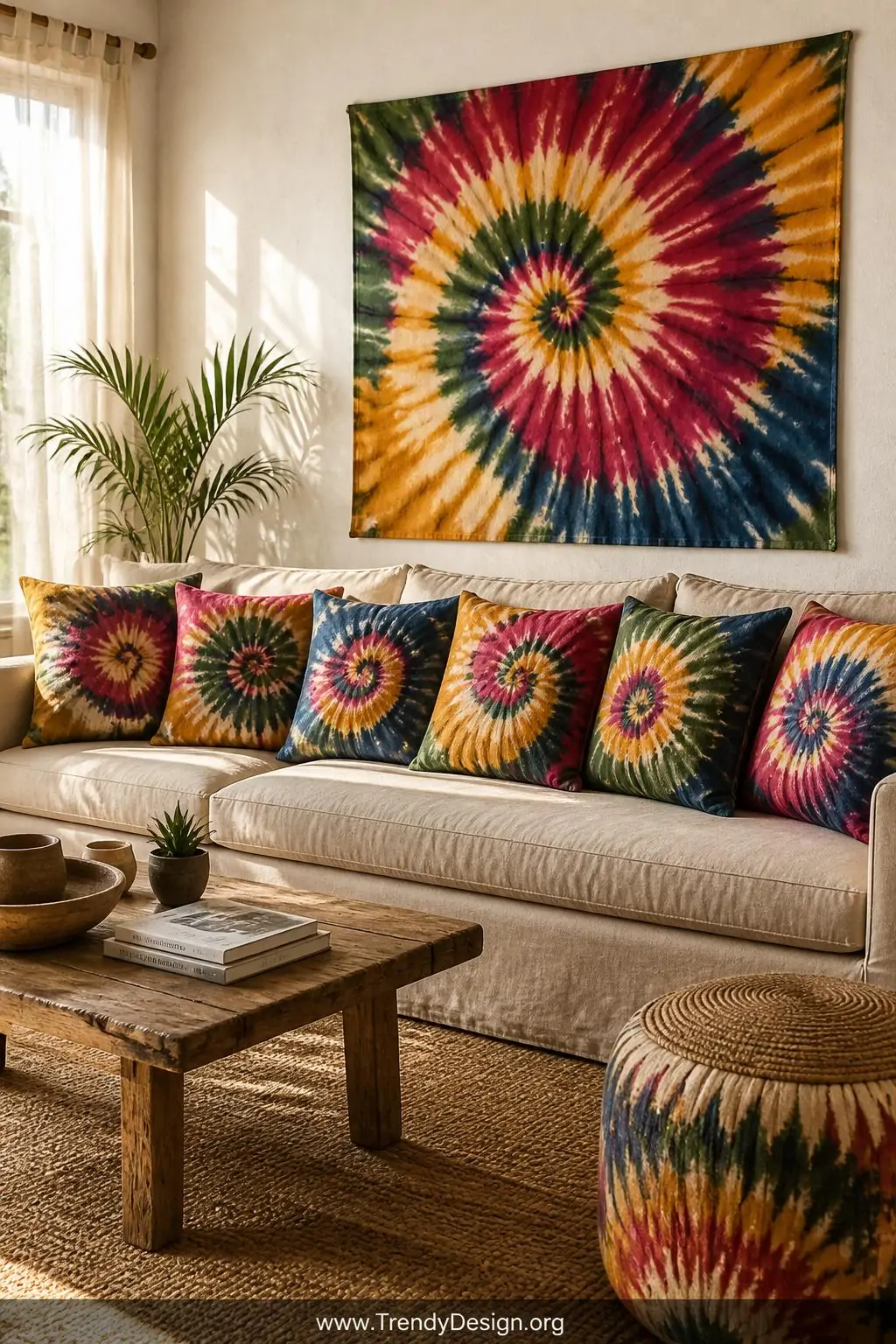
The spiral is basically the celebrity of all tie dye technique ideas — everyone knows it, everyone loves it, and it never goes out of style. You pinch the center of your fabric, twist it into a flat disc shape, secure it with rubber bands, and apply your colors in wedge sections. The result is that iconic pinwheel pattern that looks gorgeous on throw pillow covers, tablecloths, and even canvas wall hangings.
The key to a stunning spiral swirl is making sure you flip the fabric over and apply dye to the back side as well. This fills in any white gaps and gives you a richer, more vibrant finished piece. IMO, this is the technique that gives you the biggest wow factor for the least amount of effort.
- Works beautifully on cotton and linen fabrics
- Use three to five complementary colors for the best effect
- Let it sit wrapped in plastic for at least eight hours before rinsing
2. The Accordion Fold for Geometric Stripes
As an Amazon Associate I earn from qualifying purchases.
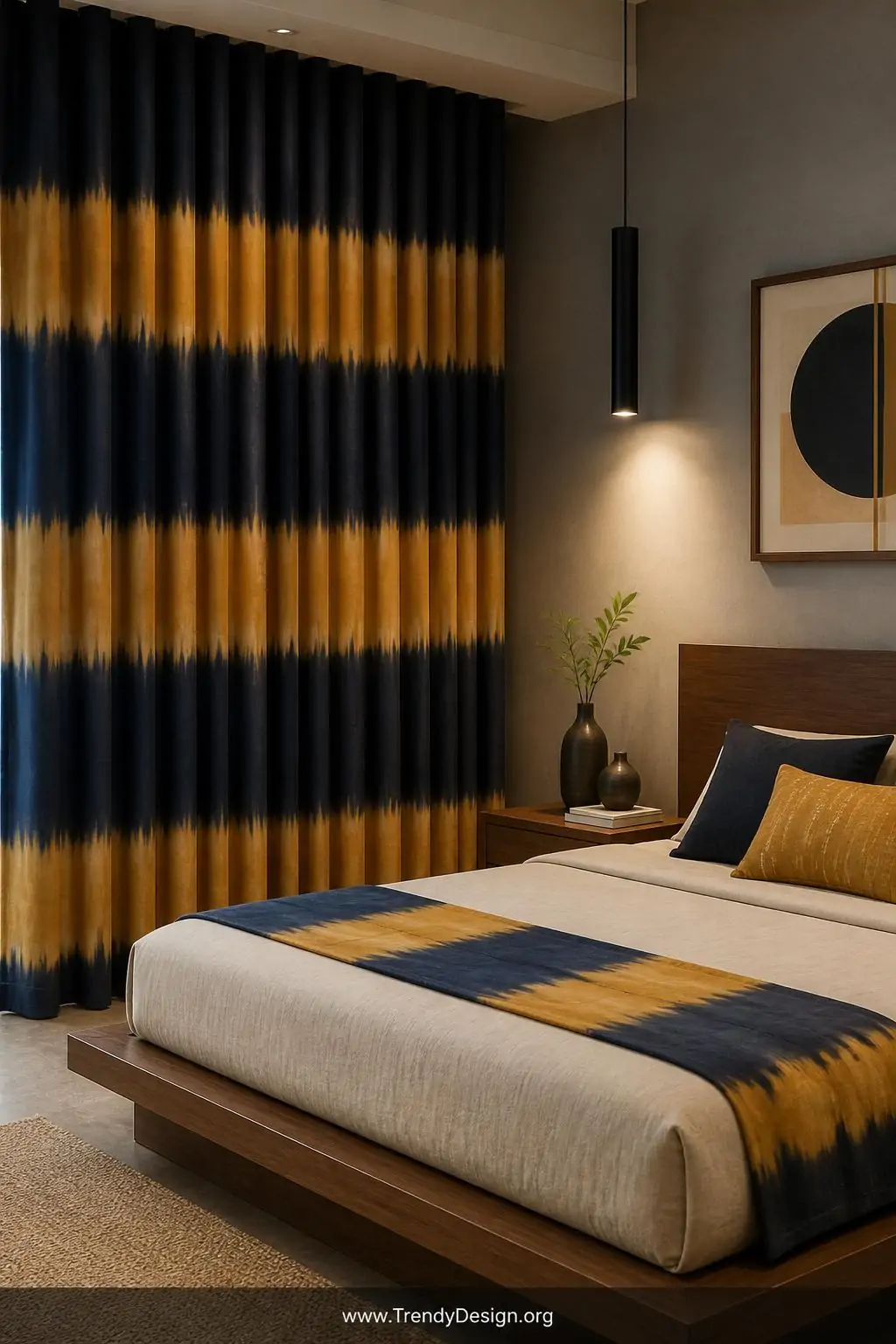
If you love clean lines and a more modern aesthetic, the accordion fold technique is about to become your new best friend. You fold your fabric back and forth like a paper fan, clamp or rubber band it at intervals, and apply your dye in bold color blocks. The outcome is a series of crisp geometric stripes that feel fresh, contemporary, and genuinely sophisticated.
This technique works especially well on curtain panels and bed runners where the length of the fabric really lets the pattern breathe. You can go bold with contrasting colors like navy and mustard, or keep it subtle with varying shades of the same tone for a more elevated look. FYI, thinner folds create tighter stripes while wider folds give you broader color bands — so you are totally in control of the final vibe.
Best Surfaces for Accordion Fold Tie Dye
- Lightweight curtain panels
- Linen table runners
- Cotton bed sheets or duvet covers
- Canvas tote bags for entryway storage
3. The Crumple Method for Abstract Art Vibes
As an Amazon Associate I earn from qualifying purchases.
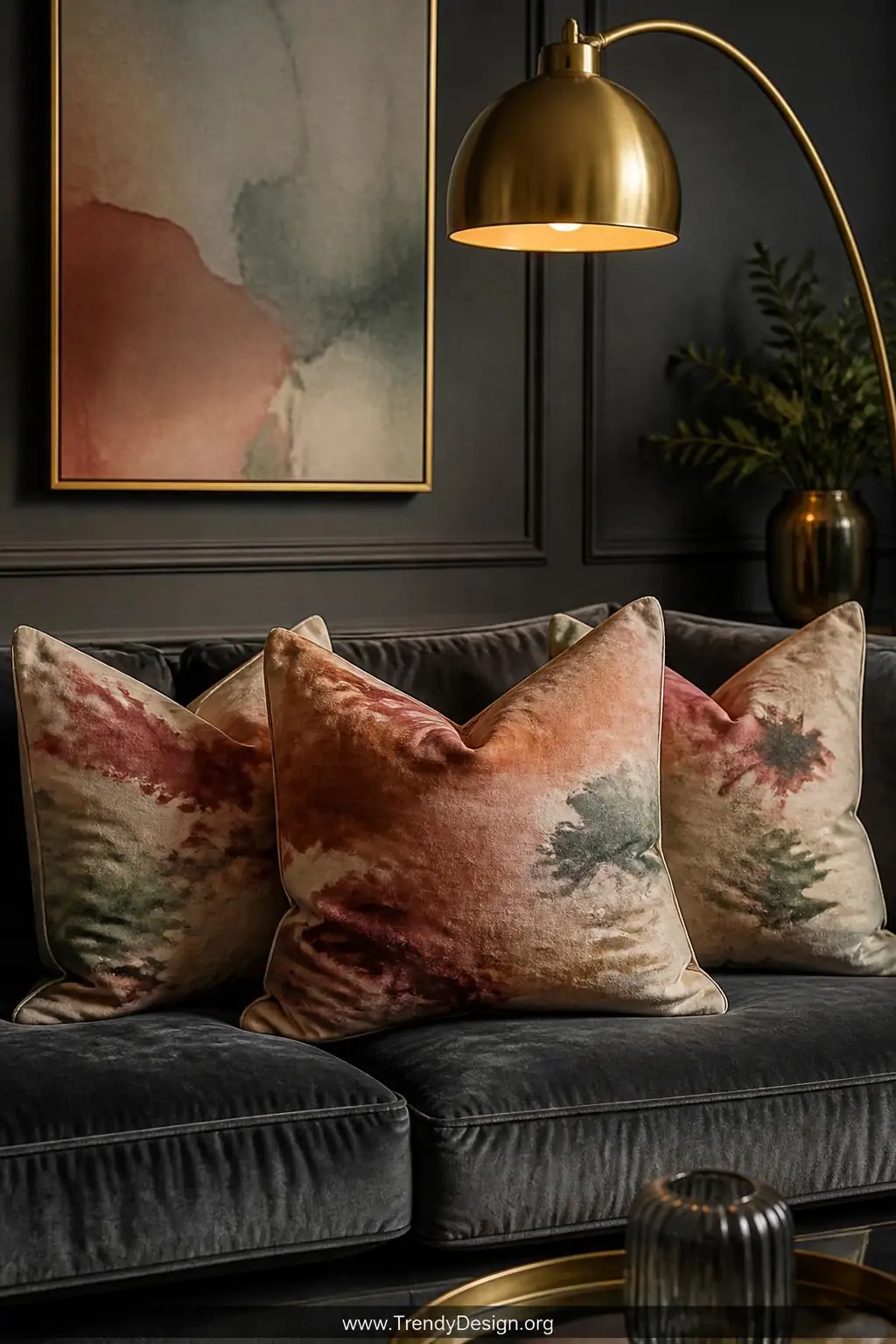
The crumple technique is basically tie dye on easy mode, and the results look like you spent hours planning them. You simply scrunch your fabric into a loose ball, secure it with rubber bands in a few random spots, and apply your colors wherever you feel inspired. Every single piece comes out completely unique, which makes it perfect for creating one-of-a-kind home accessories.
This method produces an organic, watercolor-like effect that feels very artsy and intentional — even though it is anything but structured. Try it on lampshade covers, napkin sets, or even a set of matching throw pillow cases for the couch. The randomness is genuinely the whole point, so let yourself go and trust the process.
4. Shibori Folding for Japanese-Inspired Elegance
As an Amazon Associate I earn from qualifying purchases.
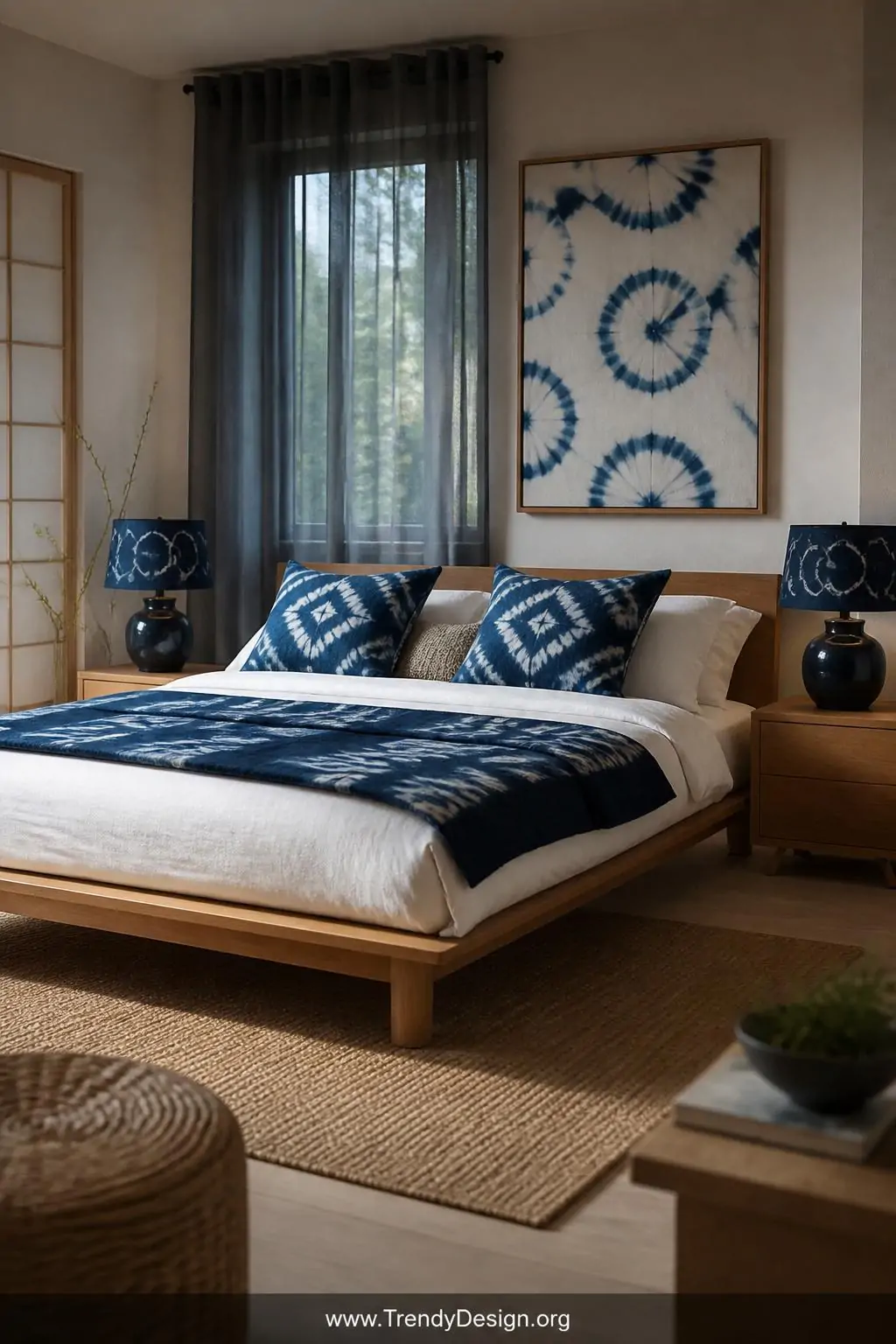
Shibori is one of those tie dye technique ideas that sounds fancy but is actually very approachable for beginners. Originating in Japan, this method involves folding, binding, and compressing fabric before dipping it in indigo dye. The results are breathtaking — think deep blue geometric patterns with crisp white negative space that feel calm, minimal, and incredibly chic.
Shibori works like a dream on bedroom accessories like pillowcases, light curtains, and even fabric lampshades. You can use traditional indigo or experiment with other deep tones like forest green or slate gray for a modern twist. This technique genuinely bridges the gap between handmade craft and gallery-worthy home art.
- Triangle folding creates diamond and star shapes
- Pole wrapping creates diagonal swirling lines
- Bound circles create beautiful concentric ring patterns
5. Reverse Tie Dye with Bleach for Edgy Drama
As an Amazon Associate I earn from qualifying purchases.
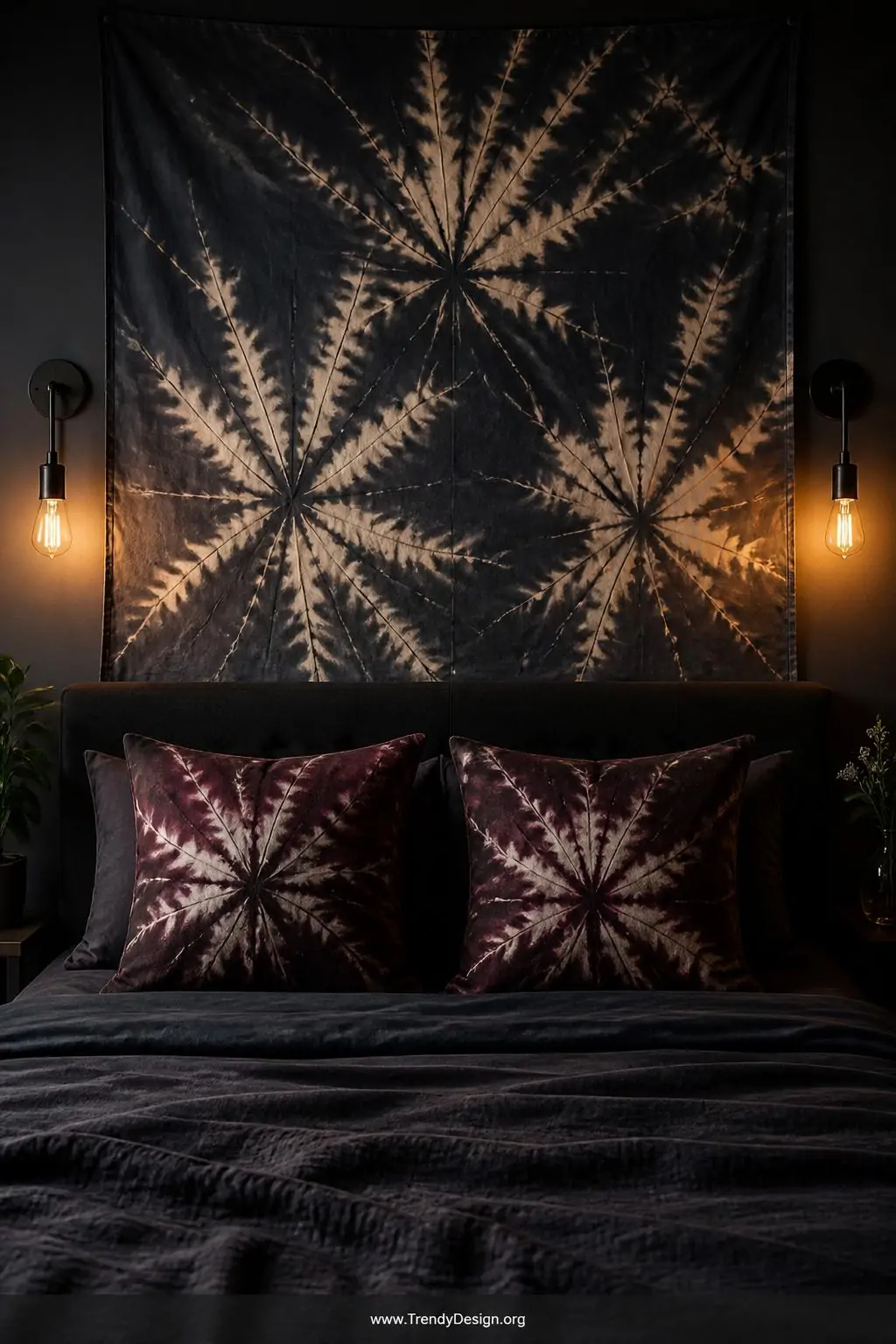
Who says tie dye always has to start with white fabric? Reverse tie dye flips the whole script by starting with a dark or colored fabric and removing color with diluted bleach instead of adding it. You get dramatic, high-contrast patterns that have a slightly edgy, artisan feel — perfect for moody bedroom decor or a bold accent wall hanging.
This technique requires good ventilation and careful handling, but the payoff is absolutely worth it. Dark navy, charcoal gray, and deep burgundy fabrics produce the most stunning results. Honestly, a set of reverse tie-dyed velvet pillow covers made this way looks like something you would find in an expensive boutique.
Tie dye technique ideas have truly grown up and moved right into our living rooms, bedrooms, and dining spaces. Whether you gravitate toward the free-spirited crumple method or the elegant precision of shibori, there is a style here that matches your home’s personality perfectly. Grab your supplies, protect your countertops, and remember — the most beautiful part of this craft is that every happy accident is actually just a design choice.
Leave a Reply