There’s something almost magical about walking into a room that just feels right, and half the time, the secret is hiding right above your head. A thoughtful recessed lighting layout can transform a plain ceiling into a design statement without anyone quite knowing why the room looks so polished. Whether you’re renovating a living room or finally tackling that awkward hallway, these five ideas will give you a serious head start.
The best part? You don’t need to be an interior designer or spend a fortune to pull this off. You just need a little strategy and a willingness to think beyond the single sad bulb in the center of the room. Let’s dig in.
1. The Classic Grid Layout for Living Rooms and Open Spaces
As an Amazon Associate I earn from qualifying purchases.
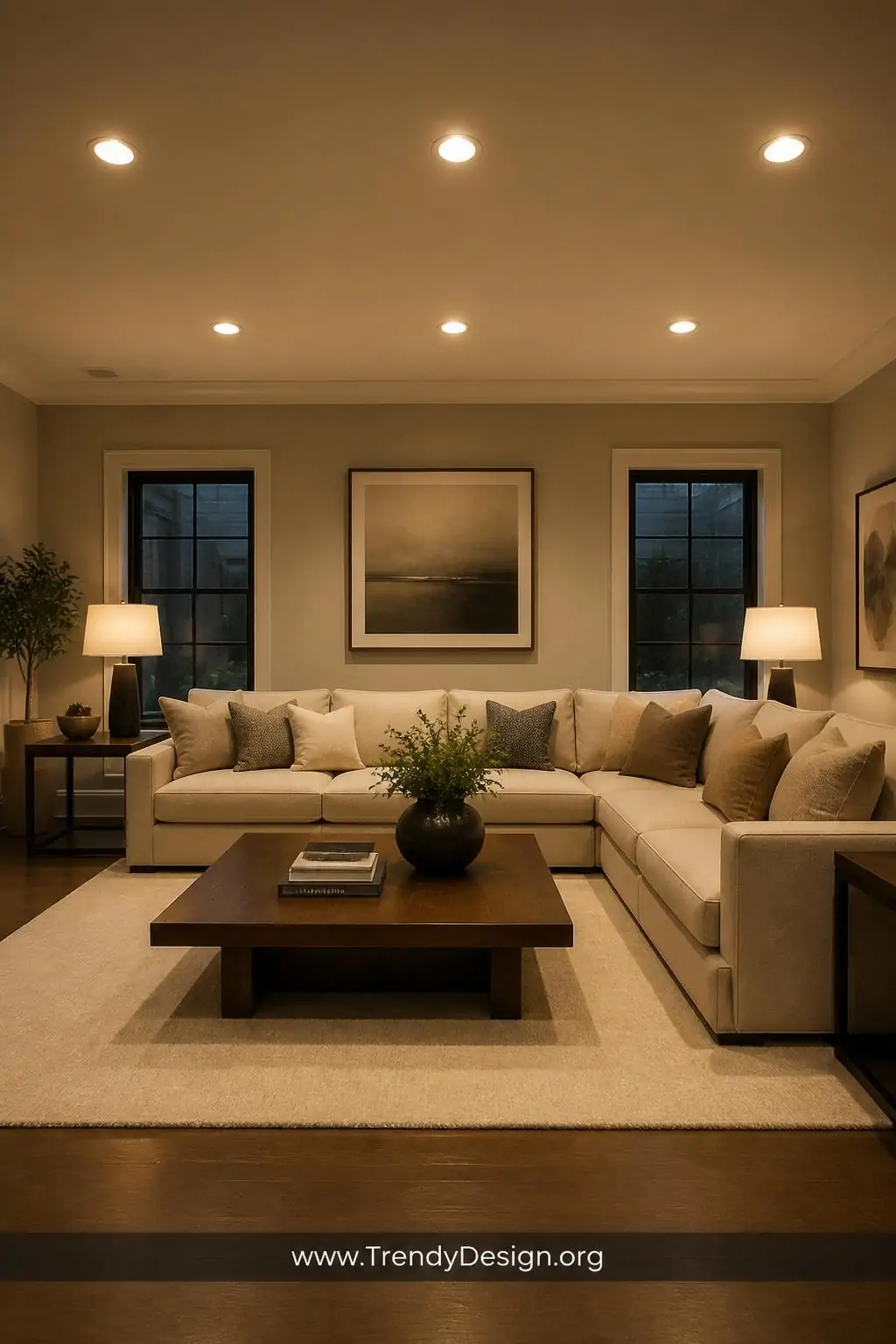
The grid layout is the workhorse of recessed lighting design, and honestly, it earns that title every single time. You space your lights in an evenly spaced grid pattern across the ceiling, creating balanced, uniform illumination that feels intentional without being flashy. It’s the little black dress of lighting layouts always appropriate, always chic.
For best results, place your lights roughly two feet from the walls and four feet apart from each other across the ceiling. This prevents those dark, shadowy corners that make a room feel like a dungeon you accidentally wandered into. A dimmer switch paired with this layout is a total game-changer for setting the mood.
Quick Tips for the Grid Layout
- Keep spacing consistent eyeball it and you’ll regret it later
- Use 4-inch fixtures in smaller rooms, 6-inch in larger spaces
- Always add a dimmer to control ambiance throughout the day
- Warm white bulbs (2700K–3000K) keep the space feeling cozy
2. Perimeter Lighting to Make Ceilings Look Higher
As an Amazon Associate I earn from qualifying purchases.
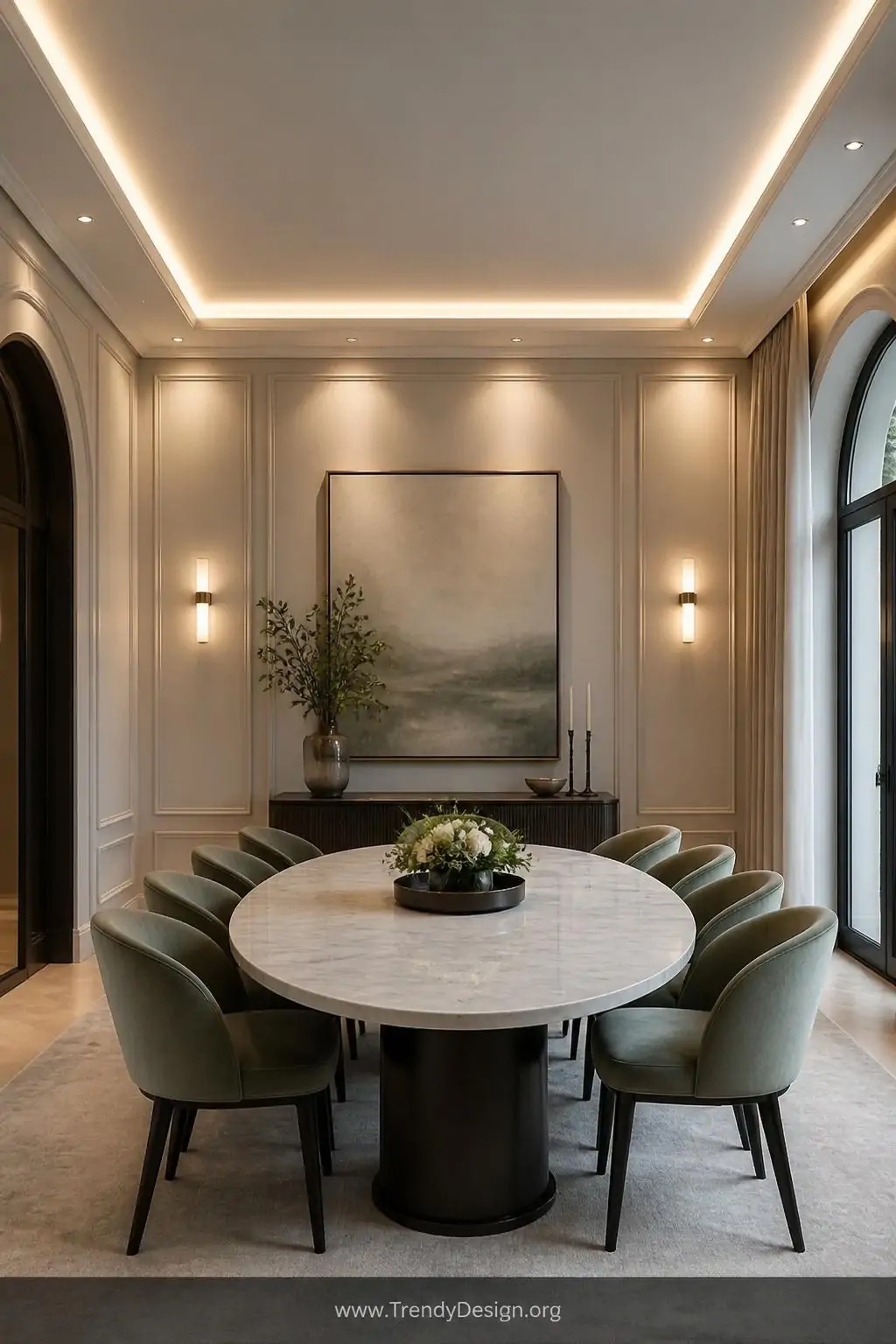
If your ceiling feels like it’s giving you a hug you didn’t ask for, perimeter lighting is about to become your new best friend. By placing recessed lights around the edges of the room rather than the center, you draw the eye outward and upward, creating the illusion of a taller, more open space. It’s basically a visual trick that costs way less than a home addition.
This layout works beautifully in bedrooms, dining rooms, and anywhere you want a soft, sophisticated glow. The light washes down the walls in a gentle cascade that feels warm and layered. FYI, this technique pairs incredibly well with wall paint in lighter shades because the illumination really shows off that color payoff.
3. Task Lighting Zones in Kitchens and Home Offices
As an Amazon Associate I earn from qualifying purchases.
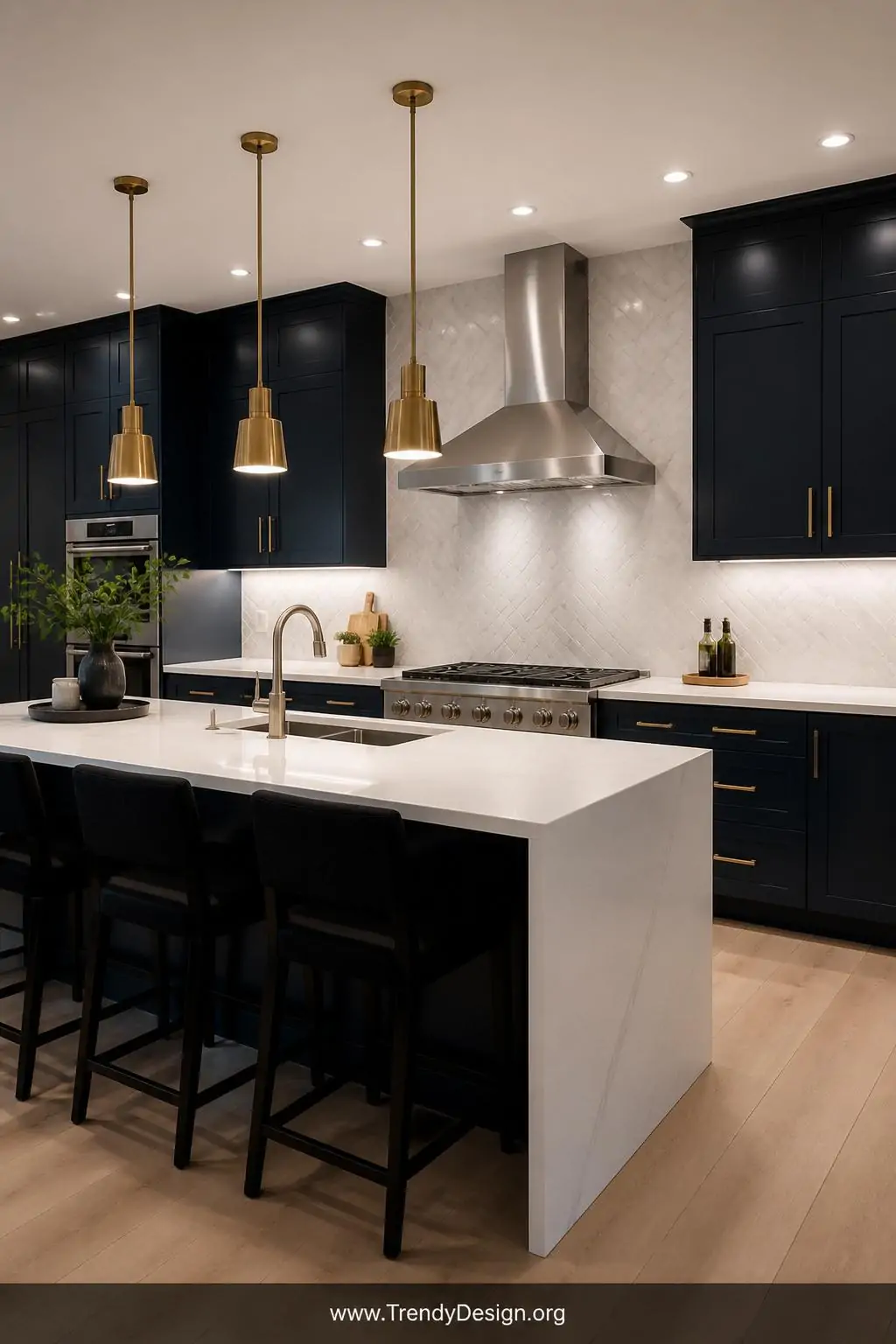
A recessed lighting layout that ignores how you actually use a room is basically just expensive ceiling decoration. In kitchens and home offices, strategic task lighting zones make the difference between a space that works for you and one that constantly frustrates you. Think of it as putting your light exactly where the action is.
In kitchens, position lights directly over countertops, the island, and the sink not just floating randomly in the middle of the room. In home offices, cluster lights over your desk area and any reading nooks to eliminate eye strain. Your future self, squinting at paperwork at 10pm, will absolutely thank you for this decision.
Key Task Lighting Zones to Consider
- Kitchen countertops and prep areas aim for lights 24 inches from the wall
- Kitchen islands use a row of 3 or 4 fixtures running parallel to the island
- Home office desk zones supplement with adjustable recessed heads if possible
- Reading chairs or hobby areas a single well-placed fixture makes a huge difference
4. Accent Lighting to Highlight Art and Architecture
As an Amazon Associate I earn from qualifying purchases.
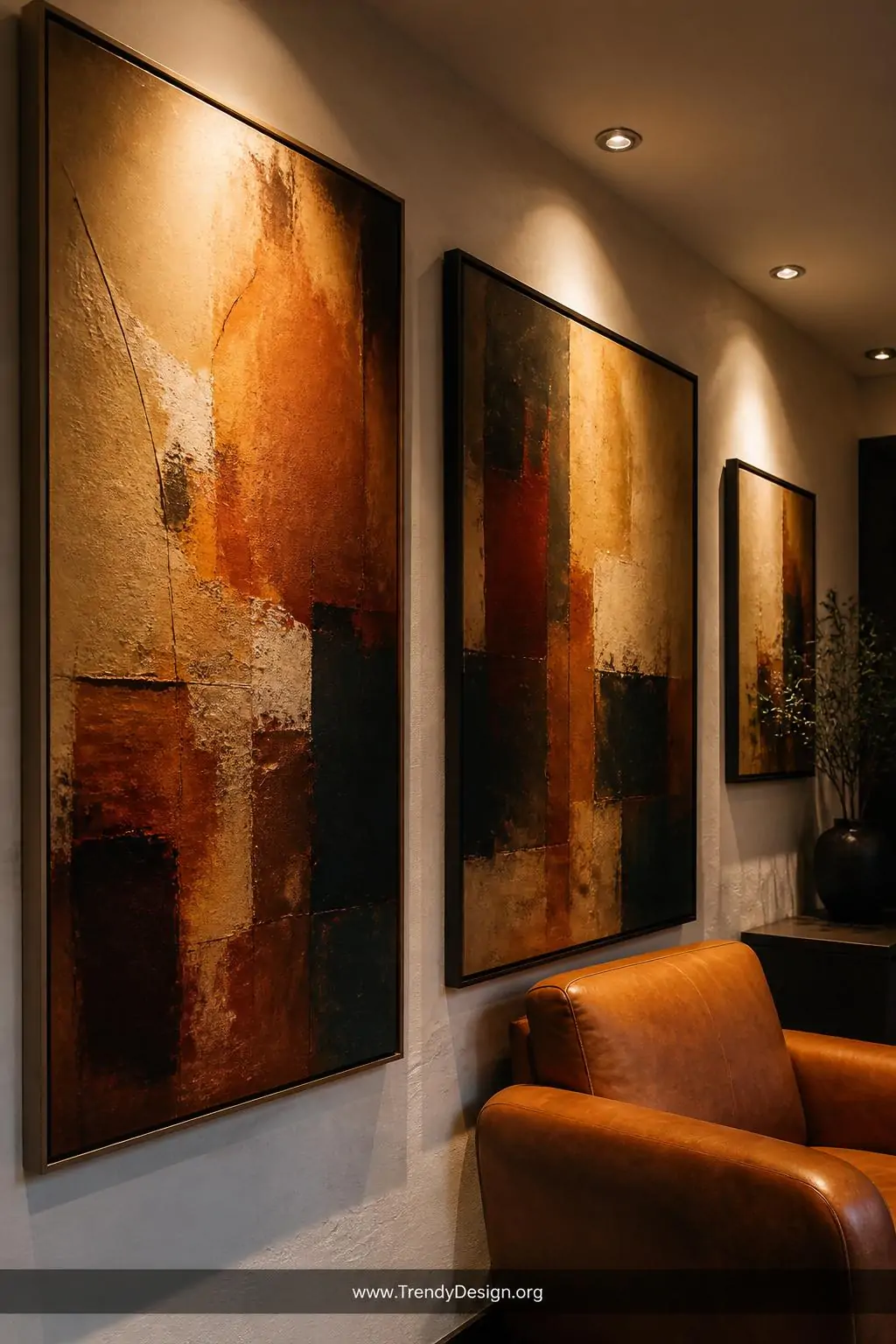
IMO, this is the layout idea that separates a room that looks “nice” from one that looks like it belongs in a magazine. Accent recessed lighting is specifically aimed at highlighting the things you love most artwork, shelving, a beautiful fireplace surround, or architectural details like exposed beams. It adds depth and drama without needing a single chandelier.
The trick here is to use adjustable gimbal recessed fixtures that can be tilted and aimed precisely at your focal point. Place them about 12 to 18 inches from the wall and angle them at roughly 30 degrees toward the surface you’re highlighting. Suddenly your gallery wall looks curated, not cluttered, and your guests start complimenting your “incredible taste.”
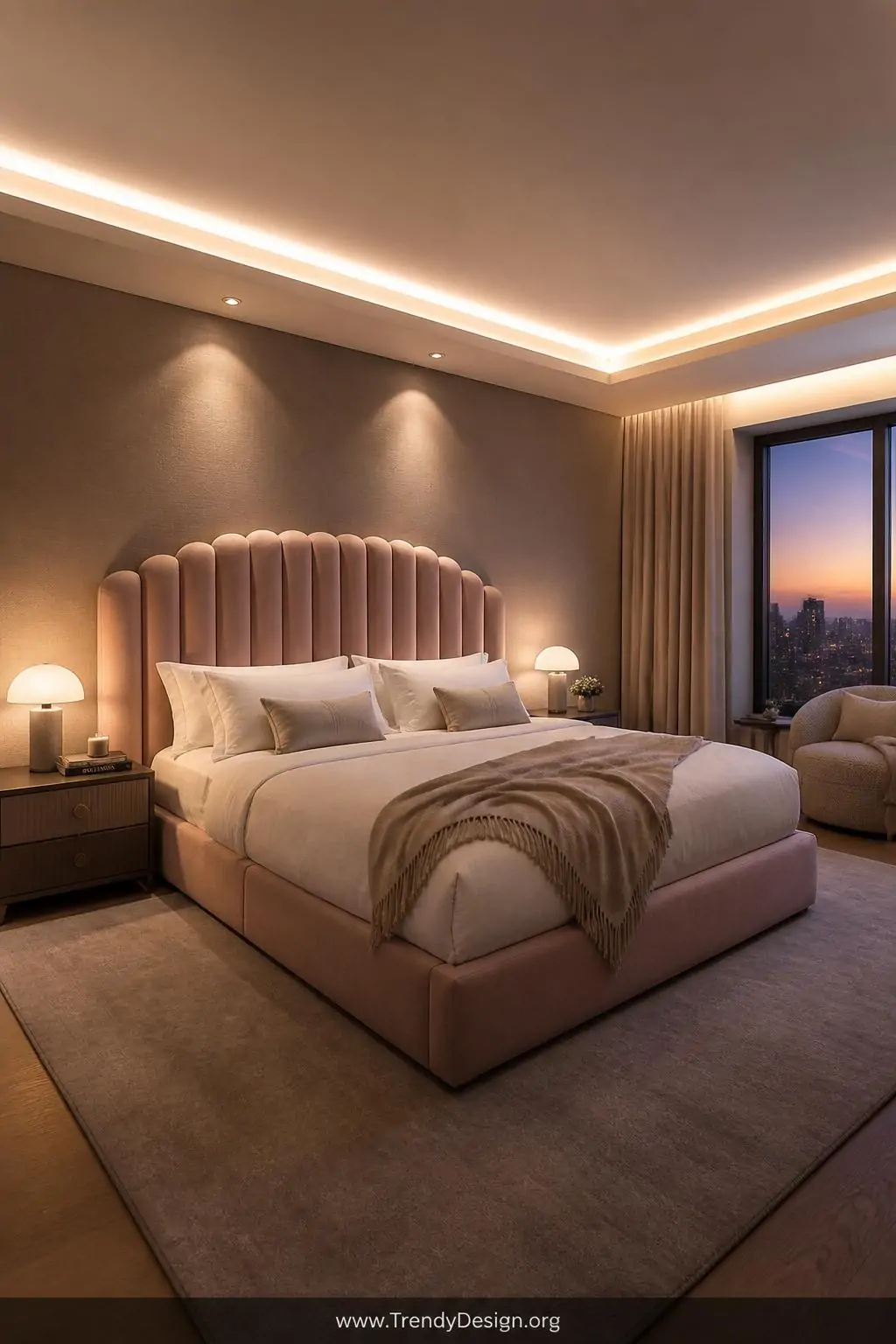
5. Layered Lighting Combos for Bedrooms and Cozy Spaces
As an Amazon Associate I earn from qualifying purchases.
The smartest recessed lighting layout in a bedroom doesn’t try to do everything at once it layers. Combine a soft perimeter layout for general ambiance with a few carefully aimed accent lights over a headboard or reading corner. This approach gives you total flexibility depending on whether you’re winding down or doing a deep dive into your favorite novel.
The key is creating multiple lighting circuits controlled by separate switches or dimmers, so you can mix and match brightness levels throughout the evening. Think of it like a playlist you want to be able to shift the vibe without getting up and physically changing everything. Bedroom lighting should always feel effortless and a little indulgent.
Getting your recessed lighting layout right is one of those home upgrades that quietly elevates every single day you spend in the space. Start with one room, plan intentionally, and don’t be afraid to consult an electrician for the technical side of things. Once you see what thoughtful lighting does to a room, there’s truly no going back.
Leave a Reply